
Denver Flights Backlogged After High-Wind Ground Stop Lifts in April 2026
Denver International Airport struggled to clear denver flights backlogged after high winds forced a temporary ground stop in April 2026. Cascading delays rippled across the national airline network.

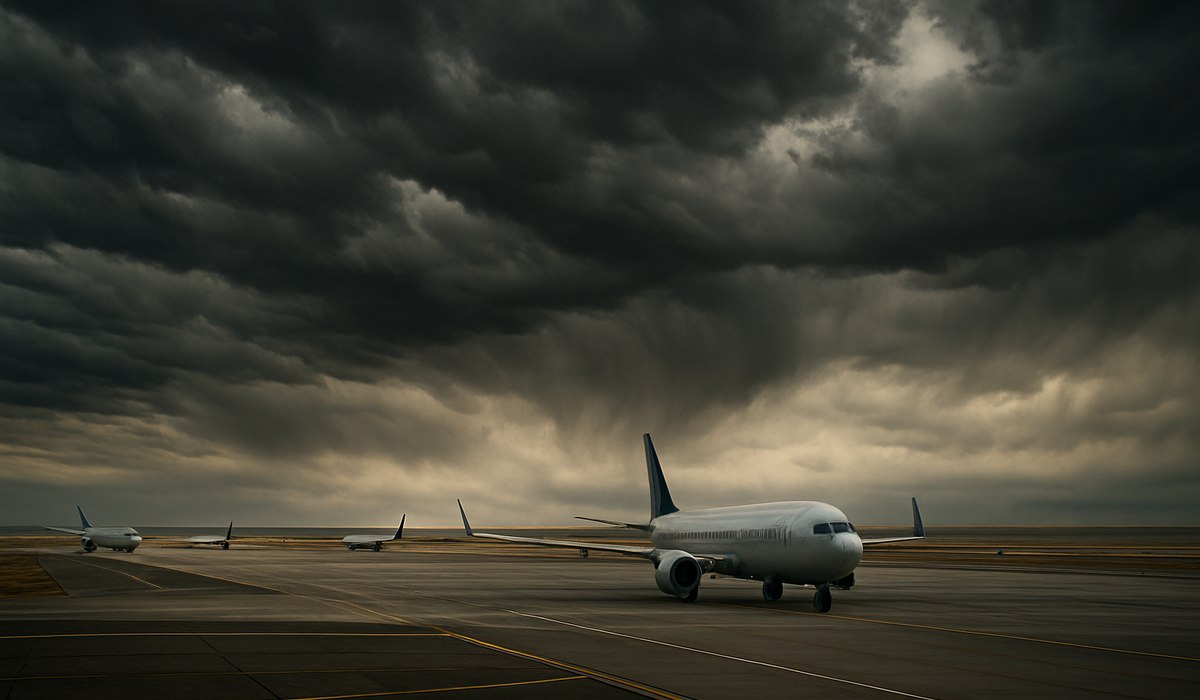
Image generated by AI
Denver Flights Backlogged as High-Wind Ground Stop Creates Nationwide Ripple Effect
Denver International Airport faced cascading flight delays and cancellations across the United States after a high-wind ground stop lifted on Sunday, April 12, 2026. The temporary halt to operations stranded aircraft, disrupted crew schedules, and triggered a domino effect of missed connections nationwide. Major carriers including United Airlines, Southwest Airlines, and Frontier Airlines all reported significant delays affecting thousands of passengers on routes connecting Denver with major hubs in Chicago, Los Angeles, San Francisco, and New York.
High Winds Trigger Temporary Halt to Denver Operations
Strong crosswinds at Denver International Airport forced Federal Aviation Administration officials to implement a ground stop that afternoon, preventing safe departures and arrivals during peak wind conditions. The high-wind event limited inbound traffic from multiple U.S. regions while substantially reducing departure flows, creating a severe bottleneck at one of America's busiest airline connection hubs.
Flight tracking data from FlightAware documented the disruption in real time, showing aircraft held at origin airports and extended holding patterns over Denver. Once wind conditions eased and air traffic managers adjusted runway configurations, the ground stop was lifted. However, the recovery process proved lengthy—airlines needed to reshuffle departure queues, reset crew schedules, and reposition aircraft across their networks.
Denver's high-altitude location and exposure on the eastern plains make it particularly vulnerable to wind disruptions. The expansive airfield layout and rapidly shifting weather patterns create challenging crosswind and wind shear conditions that frequently exceed safe operating thresholds for key runways. When wind speeds reach critical levels, air traffic managers must sharply limit ground movements until atmospheric conditions stabilize.
Why Denver Is Especially Vulnerable to Wind Disruptions
Denver International Airport sits at 5,280 feet elevation on relatively open terrain, where weather systems crossing the Rocky Mountains generate unpredictable wind patterns. Unlike coastal airports with more stable maritime conditions, Denver experiences dramatic wind shifts driven by mountain-valley interactions and fast-moving cold fronts.
The airport's configuration—featuring multiple parallel runways and a sprawling taxiway system—means that sudden wind direction changes force rapid adjustments to landing and departure sequences. These operational pivots consume valuable time and create cascading delays throughout the departure bank. Recent meteorological data showed an active pattern of gusty conditions across the Denver area in April 2026, with multiple episodes of high-altitude wind shear challenging operations over several days.
According to FAA guidance, a ground stop represents a traffic management initiative deployed when airport conditions deteriorate so severely that additional inbound flights cannot be safely accommodated. During a stop, departures remain held at origin airports. This differs from a ground delay program, which allows staggered departures through controlled slots. Denver has experienced both measures repeatedly during late winter and early spring months when severe storms and high winds are most common.
Ripple Effects on Departures, Arrivals, and Connections
The denver flights backlogged situation created outsized disruption because Denver functions as a strategic connection point between East Coast, West Coast, and regional Mountain West markets. When operations slow at Denver, the effects amplify across the entire national network within hours.
United Airlines, which operates its largest hub at Denver, absorbed particular impact. Missed connections fed directly into subsequent flight delays linking Denver with Chicago's O'Hare International Airport, San Francisco International Airport, and Los Angeles International Airport. Southwest Airlines and Frontier Airlines, both major Denver operators, reported dozens of affected services experiencing delays exceeding one hour after the ground stop lifted.
Smaller regional routes to destinations throughout Colorado, Wyoming, Utah, and the Great Plains also endured extended departure holds as carriers prioritized long-haul flights and banked connecting services to restore broader network flow. Aircraft out-of-position issues cascaded into evening operations, affecting flights scheduled well after the initial weather event concluded.
Flight tracking showed that denver flights backlogged status persisted through Sunday evening and into Monday morning, April 13, as the system unwound residual delays. Travelers connecting through Denver faced significant risk of missing onward flights, while those with final Denver destinations experienced multiple-hour arrival delays.
What Travelers Should Expect Going Forward
Recovery from high-wind disruptions at Denver typically requires four to six hours after the ground stop lifts, depending on the magnitude of accumulated delays. The airport's high elevation and wind-prone location mean springtime travelers should anticipate potential schedule disruptions during March through May.
Airlines gradually restored normal operations Monday, April 13, though some passengers remained stranded from Sunday's disruption. Flight crews working overtime, aircraft rotations resetting, and sparse schedule buffers all contributed to extended recovery times. Passengers holding connections through Denver during spring months should build additional connection time into itineraries.
The broader April 2026 national delay situation involved unsettled weather across multiple U.S. regions simultaneously. Severe thunderstorms, high winds, and precipitation created cumulative system strain affecting thousands of daily flights. Denver ranked among the country's highest-delay airports during the April 12 episode, with conditions exacerbated by the airport's vulnerable location and operational constraints.
Traveler Action Checklist
If you're traveling through Denver or connecting through the airport, follow these steps to navigate high-wind delays:
-
Check real-time airport status on FlightAware or your airline's website before heading to the airport.
-
Monitor ground stop announcements through the FAA's airport status page for active weather alerts.
-
Build extra connection time (minimum two hours) for April travel through Denver due to seasonal wind vulnerability.
-
Contact your airline immediately if you miss a connection—rebooking priority depends on documented delay cause.
-
Request meal and hotel vouchers if your delay exceeds three hours; your airline is obligated under U.S. Department of Transportation consumer protection rules.
-
Document delays with photos of departure boards and timestamp records to support reimbursement claims later.
-
Review your airline's delay waiver policy once operations normalize—many carriers offer free rebooking on alternate flights.
Key Facts: Denver Flights Backlogged Disruption
| Metric | Details |
|---|---|
| Airport | Denver International Airport (DEN) |
| Date | Sunday, April 12, 2026 |
| Trigger Event | High-wind ground stop |
| Duration | Approximately 3-4 hours ground stop; recovery extended 6+ hours |
| Affected Airlines | United, Southwest, Frontier, and regional carriers |
| Primary Routes Impacted | Denver-Chicago, Denver-Los Angeles, Denver-San Francisco, Denver-New York |
| Cascading Effect | Nationwide connection delays through April 13 |
| Recovery Status | Normal operations resumed Monday, April 13 |
Frequently Asked Questions About Denver Flight Delays
What is a ground stop and how long does it typically last? A ground stop halts all departures from a specific airport when safety conditions deteriorate. Ground stops at Denver typically last one to four hours, depending on wind speed stabilization and runway reconfiguration needs. The April 2026 event lasted approximately three hours before restrictions lifted.
Why does Denver experience more wind-related disruptions than other major airports? Denver's 5,280-foot elevation, position on the eastern plains, and exposure to Rocky Mountain weather systems create frequent crosswind and shear conditions. The airport's large airfield layout requires rapid runway configuration changes when wind direction shifts, consuming operational recovery time.
Can I get compensation for a delayed connection through Denver? Under U.S. Department of Transportation rules, you're entitled to meal and hotel vou
Disclaimer
This article is for informational and educational purposes only. It does not constitute legal, financial, or professional advice. While we strive to provide accurate and up-to-date information, travel policies, regulations, and conditions change rapidly. Always verify information with official sources before making travel decisions. Nomad Lawyer makes no representations about the accuracy, reliability, completeness, or suitability of the information provided. Readers should consult qualified professionals for advice specific to their circumstances. The views expressed in this article are those of the author and do not necessarily reflect the views of Nomad Lawyer.
Preeti Gunjan
Contributor & Community Manager
A passionate traveller and community builder. Preeti helps grow the Nomad Lawyer community, fostering engagement and bringing the reader experience to life.
Learn more about our team →