
Aviation Updates: Severe FAA Restrictions Force Delta Flight SKW4011 Diversion, Fueling Aspen Travel Chaos
As catastrophic logistical bottlenecks severely paralyze mountain transit grids, a sudden Delta Air Lines diversion mandated by strict FAA guidelines leaves Atlanta passengers stranded amidst rolling travel chaos.

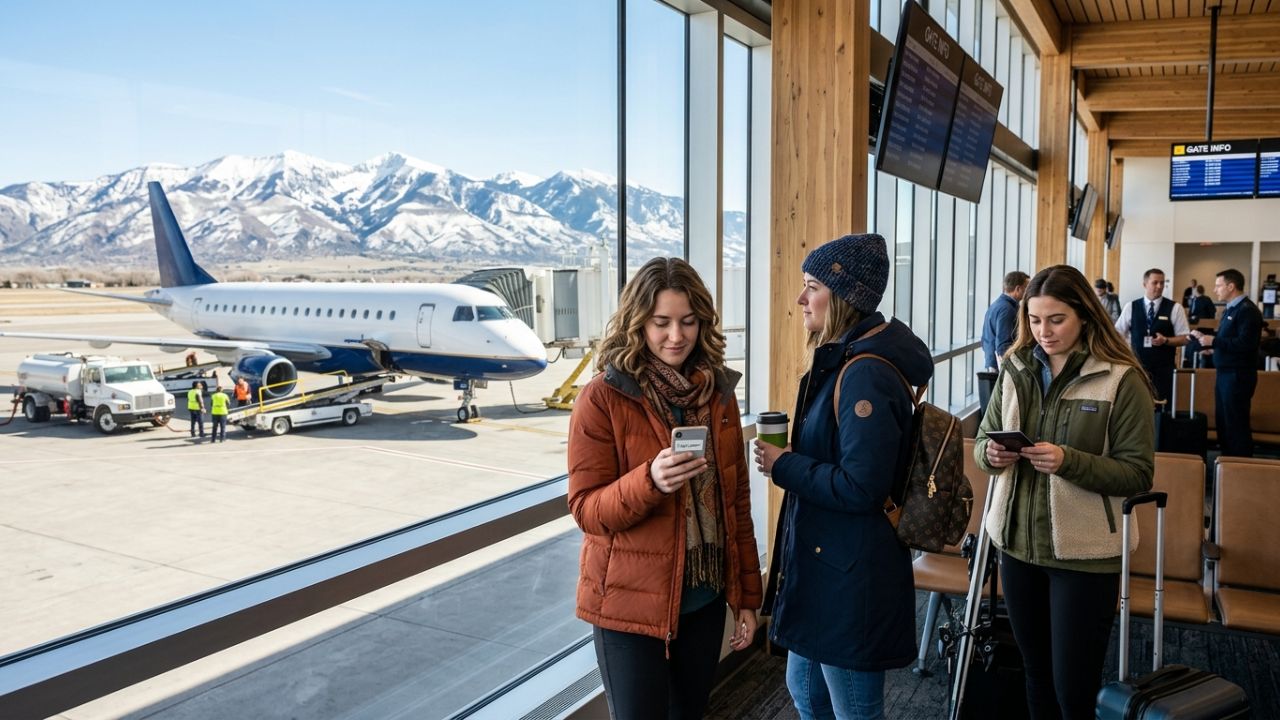
Image generated by AI
Aviation Updates: Severe FAA Restrictions Force Delta Flight SKW4011 Diversion, Fueling Aspen Travel Chaos
As extreme operational friction and suddenly compounding infrastructure bottlenecks continue to terrorize standard travel itineraries, a sudden mid-air diversion commanded by rigid federal safety guidelines has left luxury travelers stranded in the Rocky Mountains.
Image generated by AI
As high-impact airline news platforms rapidly issue continuous, grim aviation updates regarding the intense fragility of the domestic transit grid, yet another unexpected operational failure has struck the United States aviation sector. Amidst widespread rolling travel chaos, severe airport disruptions, and devastatingly frequent flight cancellations, a SkyWest-operated Delta Air Lines regional service has captured widespread attention following a highly abrupt mid-air route change. SkyWest Flight SKW4011, operating heavily on behalf of Delta Air Lines, which should have been a completely routine journey from Atlanta directly to Aspen, abruptly diverted course during its highly sensitive descent. This massive operational constraint resulted in an unplanned, highly disruptive landing at Grand Junction Regional Airport. This incident heavily highlights how the incredibly complex intersection of mountain aviation, rapidly deteriorating weather conditions, and uncompromising federal safety systems actively dictate the absolute realities of US tourism travel.
Expanded Overview: The Dangers of Mountain Aviation
To fully comprehend the sheer anxiety generated by this localized operational failure, aviation analysts must closely examine the brutal environmental factors and strict regulatory frameworks that force sudden diversions in the Rocky Mountains.
The Federal Aviation Administration (FAA) officially identifies Aspen/Pitkin County Airport as a high-complexity mountain airport requiring completely flawless, heavily precise instrument approach procedures. Operating under incredibly strict, rigid FAA-certified performance limitations entirely due to massive terrain constraints, only specific aircraft can legally serve this airport. Tourism connectivity heavily depends on absolute visibility conditions and strict wind stability. Even incredibly minor, seemingly insignificant weather shifts can instantly reduce landing feasibility far below rigid minimum safety thresholds. When conditions deteriorate, airlines are legally required by the FAA to immediately abort the approach and forcefully divert flights to highly stable alternate airports such as Grand Junction or Eagle County Airport. This structural sensitivity officially positions Aspen as one of the absolutely most operationally complex and highly restricted tourism gateways in Colorado.
Section-Wise Breakdown: The Embraer 175 Diversion
The incident explicitly involved an Embraer 175 regional jet, an absolute workhorse of the American domestic feeder network, heavily utilized for high-altitude regional operations precisely because of its exceptional performance capabilities.
In the highly specific case of SkyWest Operated Delta Air Lines Flight SKW4011, the EMBRAER 175 followed a completely standard, long-haul feeder route departing from Atlanta before encountering severe operational constraints and uncertain landing conditions near Aspen. Forced by strict FAA guidelines to immediately abort the highly complex mountain approach, the flight crew proceeded directly to Grand Junction Regional Airport for a completely safe, precautionary landing. While these sudden diversions absolutely destroy carefully planned luxury itineraries, Grand Junction explicitly serves as the absolute key alternate gateway for Aspen arrivals. Its strategic geographical positioning offers significantly more stable weather conditions and dramatically lower terrain complexity compared to the highly sensitive Aspen/Pitkin County Airport.
Flight Details: Delta SKW4011 Diversion Matrix
To ensure international travelers and commercial aviation analysts can accurately track the incredibly precise operational telemetry of this severe regional disruption, the verified flight data has been consolidated into the mandatory matrix below.
| Operational Metric | Verified Flight Data |
|---|---|
| Operating Carrier | SkyWest (for Delta Air Lines) |
| Flight Number | SKW4011 |
| Aircraft Type | EMBRAER 175 |
| Scheduled Route | Atlanta to Aspen (Pitkin County) |
| Actual Diversion | Grand Junction Regional Airport |
| Alternate Options | Grand Junction & Eagle County Airport |
| Primary Cause | High-altitude weather/visibility limits |
| Passenger Recovery | Coordinated ground transport to Aspen |
Passenger Impact: The Brutal Reality of Ground Transfers
For the exhausted luxury travelers trapped onboard the diverted Embraer 175, a sudden flight diversion inevitably creates massive, highly frustrating inconvenience through completely destroyed arrival times.
While these abrupt operational decisions strictly exist to eliminate catastrophic risk whenever mountain weather changes unexpectedly, the immediate reality for passengers is total travel chaos. When massive diversions like SKW4011 occur, stranded passengers are usually transferred by contracted ground transport, shifting the journey temporarily into a highly disruptive multi-modal transport experience. While road connections between Grand Junction and Aspen are widely recognized as an established recovery corridor for disrupted tourism flows, the agonizingly slow journey typically passes through incredibly rugged Colorado landscapes. This effectively turns a fast, direct flight from a major hub like Atlanta into a heavily delayed, managed ground transfer ordeal for exhausted travelers desperate to reach their luxury mountain accommodations.
Industry Analysis: Protecting the Aspen Tourism Economy
From a broader tourism perspective, Aspen’s massive tourism economy relies heavily, almost entirely, on uninterrupted commercial air connectivity from major US cities.
Atlanta serves as a highly vital, massively lucrative key long-haul feeder market for leisure and ski tourism flows directly into the Roaring Fork Valley. Disruptions such as sudden mid-air diversions instantly affect visitor arrival timing and deeply disrupt expensive travel itineraries. Mountain tourism destinations like Aspen face incredibly unique, severe aviation constraints compared to standard coastal hubs. Over time, this highly rigid regulatory framework has heavily influenced airline scheduling strategies, aircraft selection, and seasonal capacity planning for Aspen-bound services. Tourism stakeholders deliberately integrate alternate routing to Grand Junction directly into their planning systems to desperately maintain visitor flow when direct access completely fails, attempting to efficiently redistribute tourism demand rather than completely losing it.
Conclusion: Safety Over Schedules
Ultimately, the sudden diversion of SkyWest Operated Delta Air Lines SKW4011 heavily reflects the brutal, unavoidable realities of operating highly complex tourism aviation in mountainous terrain. While elite travelers may occasionally experience agonizing, highly disruptive rerouting, the broader Colorado regional aviation network integrates highly structured diversion planning to explicitly protect tourism flow stability. By fiercely prioritizing caution over scheduling pressures under strict FAA mandates, commercial flight crews maintain the remarkably high safety standards that define modern American air travel. Aspen continues to deeply maintain massive, unyielding tourism demand, heavily supported by highly resilient regional air connectivity and well-coordinated alternate airport operations that aggressively safeguard passenger movement into the luxury resort region.
Key Takeaways
- Sudden Route Change: SkyWest Operated Delta Air Lines Flight SKW4011 abruptly diverted to Grand Junction Regional Airport instead of its intended Aspen destination.
- Aircraft Details: The unexpected high-altitude diversion involved an Embraer 175 regional jet operating a standard long-haul feeder route departing from Atlanta.
- FAA Restrictions: Aspen/Pitkin County Airport operates under incredibly strict FAA-certified performance limitations, heavily vulnerable to sudden visibility loss.
- The Alternate Gateways: Grand Junction and Eagle County Airport serve as primary safe-haven alternate airports for Aspen due to lower terrain complexity.
- Passenger Recovery: Passengers stranded in Grand Junction are heavily reliant on coordinated, time-consuming ground transportation to finally reach their mountain destinations.
FAQ: SkyWest Delta Air Lines Flight SKW4011 Diversion
Where did SkyWest Flight SKW4011 divert to? The Delta Air Lines regional flight, originally scheduled to fly from Atlanta to Aspen, abruptly changed course during its descent and safely landed at Grand Junction Regional Airport.
What type of aircraft was involved in the diversion? The flight was operated by SkyWest Airlines utilizing an Embraer 175 regional jet on behalf of Delta Air Lines.
Why did the FAA force this flight to divert? Aspen/Pitkin County Airport is severely restricted by FAA performance limitations due to mountain terrain. Even minor visibility reductions below landing minima legally force pilots to abort landings and divert.
How do passengers reach Aspen after landing in Grand Junction? When flights divert to Grand Junction, airlines and regional operators coordinate ground transportation to safely drive stranded passengers through the mountains to reach Aspen.
Related Travel Guides
Korean Air Asiana Merger Incheon Expansion Travel Chaos 2026
SkyWest United SKW5814 Houston Aspen Diversion Travel Chaos 2026
North America Regional Tourism and Transit Survival Guide 2026
Disclaimer: This article is strictly for informational and aviation tracking purposes. The specific flight telemetry (SKW4011, Embraer 175, Atlanta to Aspen via Grand Junction) is based on verified public flight tracking data available at the time of publication. High-altitude domestic airspace conditions, FAA operational diversion protocols, and specific airline recovery schedules are highly dynamic and subject to immediate modification by the operating carriers. Passengers planning domestic travel into mountainous regional airports like Aspen should explicitly verify their exact flight itineraries, strictly monitor their airlines for sudden flight cancellations or diversions, and secure comprehensive travel insurance prior to departure.
Disclaimer
This article is for informational and educational purposes only. It does not constitute legal, financial, or professional advice. While we strive to provide accurate and up-to-date information, travel policies, regulations, and conditions change rapidly. Always verify information with official sources before making travel decisions. Nomad Lawyer makes no representations about the accuracy, reliability, completeness, or suitability of the information provided. Readers should consult qualified professionals for advice specific to their circumstances. The views expressed in this article are those of the author and do not necessarily reflect the views of Nomad Lawyer.
Raushan Kumar
Founder & Lead Developer
Full-stack developer with 11+ years of experience and a passionate traveller. Raushan built Nomad Lawyer from the ground up with a vision to create the best travel and law experience on the web.
Learn more about our team →