
Delta CEO Points to Air Traffic Control Congestion as Driver of Surging Airfare Costs
Breaking airline news and aviation industry updates for 2026.

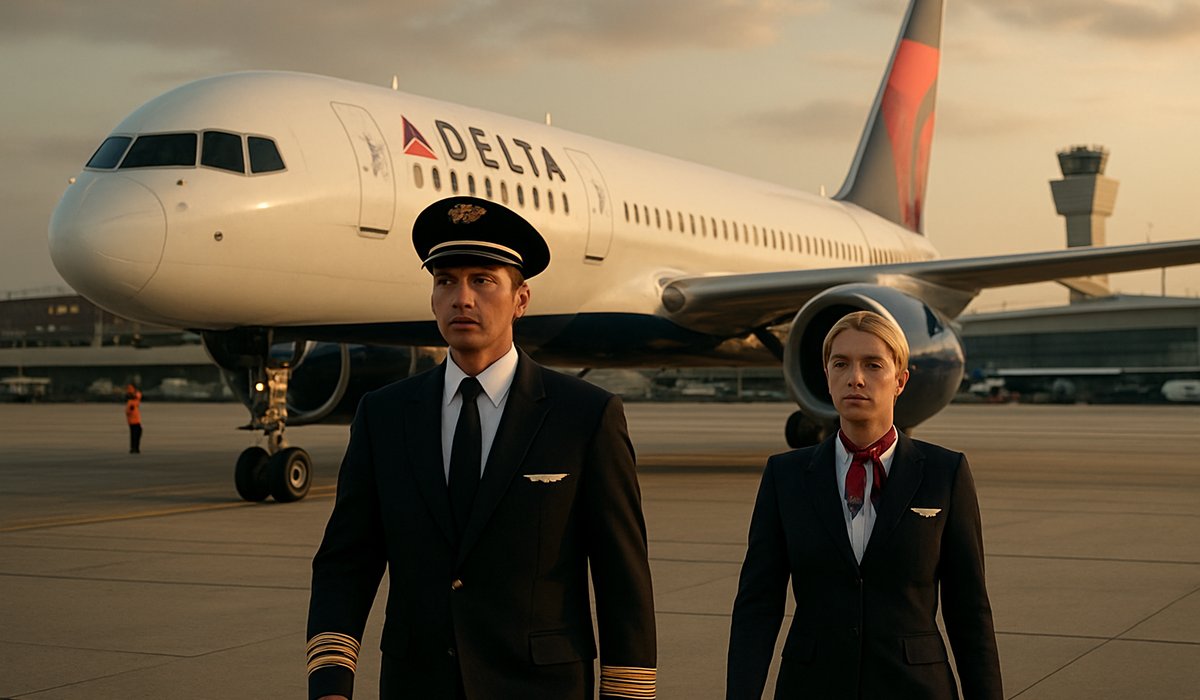
Image generated by AI
Delta CEO Points to Air Traffic Control Congestion as Driver of Surging Airfare Costs
SkyTeam carrier attributes 20%+ price increases to airport capacity constraints, sparking industry debate over fare inflation drivers
ATC Bottlenecks Blamed for Dramatic Fare Increases
Delta Air Lines' Chief Executive Officer Ed Bastian has attributed a sharp surge in domestic airfares—climbing more than 20 percent in recent months—to persistent congestion within the nation's air traffic control system, particularly at major metropolitan hubs. The assertion has drawn immediate scrutiny from industry analysts and consumer advocates questioning whether infrastructure constraints alone account for the substantial pricing escalation travelers are experiencing.
Bastian's comments suggest that bottlenecks at some of America's busiest airports are constraining flight capacity, forcing airlines to operate fewer routes while maintaining strong demand—a supply-and-demand dynamic that inevitably drives up ticket prices. The SkyTeam alliance member contends that limited slots and delayed departures are reducing operational efficiency across the network, reducing available seats and compressing airline revenues.
Industry Pushback on Explanations
However, critics argue the narrative overlooks other significant factors contributing to elevated travel costs. Persistent jet fuel price volatility, labor cost increases following recent pilot and crew negotiations, and broader inflationary pressures across the aviation sector have all intensified pricing pressure independent of air traffic management issues.
The airline industry has faced mounting operational challenges following pandemic recovery, with staffing shortages at airports and control towers exacerbating delays. Yet some analysts contend that carriers have strategically capitalized on capacity constraints to justify premium pricing strategies—leveraging infrastructure limitations as cover for margin expansion.
Broader Aviation Cost Pressures
The debate highlights a complex web of factors affecting airline economics. Beyond ATC congestion, airlines continue absorbing elevated fuel surcharges and implementing aggressive baggage fee structures to offset operational costs. Additional ancillary revenues from seat selection, checked baggage charges, and other services have become critical profit centers as base fares face competitive pressure.
Delta's attribution of fare increases solely to air traffic control dysfunction raises questions about corporate accountability in pricing decisions. Industry observers note that while infrastructure improvements remain essential, airlines retain substantial control over pricing strategies independent of external constraints.
The FAA has acknowledged staffing challenges within its control tower operations, committing to modernization initiatives. However, meaningful capacity expansion typically requires years of infrastructure investment and regulatory coordination—leaving near-term relief unlikely for cost-conscious travelers.
FAQ: Understanding Airfare Increases and Aviation Industry Pressures
Why have airline ticket prices increased over 20% recently? Multiple factors drive current fare inflation, including air traffic control congestion at major hubs, elevated jet fuel prices, rising labor costs following crew contract negotiations, and broader inflationary pressures across the aviation supply chain. Airlines cite capacity constraints, but pricing strategy also plays a significant role.
How do airline baggage fees relate to overall ticket prices? As base fares face competitive pressure, carriers increasingly rely on ancillary revenue—including baggage charges, seat selection fees, and upgrade sales—to maintain profit margins. These supplementary fees effectively raise total passenger costs beyond headline ticket prices.
What is the connection between jet fuel prices and airfare costs? Fluctuating crude oil markets directly impact operating expenses. When fuel surcharges rise, airlines pass costs to consumers through base fares and fuel adjustment clauses, affecting overall travel expenses.
How can air traffic control improvements reduce airline fares? Enhanced ATC efficiency, modernized infrastructure, and expanded airport capacity reduce operational delays and increase available flight slots. This boosts supply, theoretically moderating price pressures—though airlines may maintain elevated pricing regardless.
Are airline fee structures contributing to higher total travel costs? Yes. While headline fares may appear competitive, comprehensive baggage policies, seat selection charges, and other fees substantially increase final passenger costs, making transparent total-cost comparison essential for budget-conscious travelers.
Related Travel Guides
-
Boeing Fuel Miles: How the 787 Dreamliner Achieves Unmatched Efficiency at 500 MPH
-
EgyptAir Breaks 20-Year Absence with Major Transatlantic Expansion to Los Angeles
External Resources
Disclaimer
This article is for informational and educational purposes only. It does not constitute legal, financial, or professional advice. While we strive to provide accurate and up-to-date information, travel policies, regulations, and conditions change rapidly. Always verify information with official sources before making travel decisions. Nomad Lawyer makes no representations about the accuracy, reliability, completeness, or suitability of the information provided. Readers should consult qualified professionals for advice specific to their circumstances. The views expressed in this article are those of the author and do not necessarily reflect the views of Nomad Lawyer.
Preeti Gunjan
Contributor & Community Manager
A passionate traveller and community builder. Preeti helps grow the Nomad Lawyer community, fostering engagement and bringing the reader experience to life.
Learn more about our team →