
Delta Cancels Cleveland-Detroit Flight After Police Remove Two Fighting Flight Attendants Mid-Operation
Delta Air Lines cancelled flight 4854 from Cleveland to Detroit after police detained two cabin crew members involved in a physical altercation, exposing how crew conflicts disrupt operations.

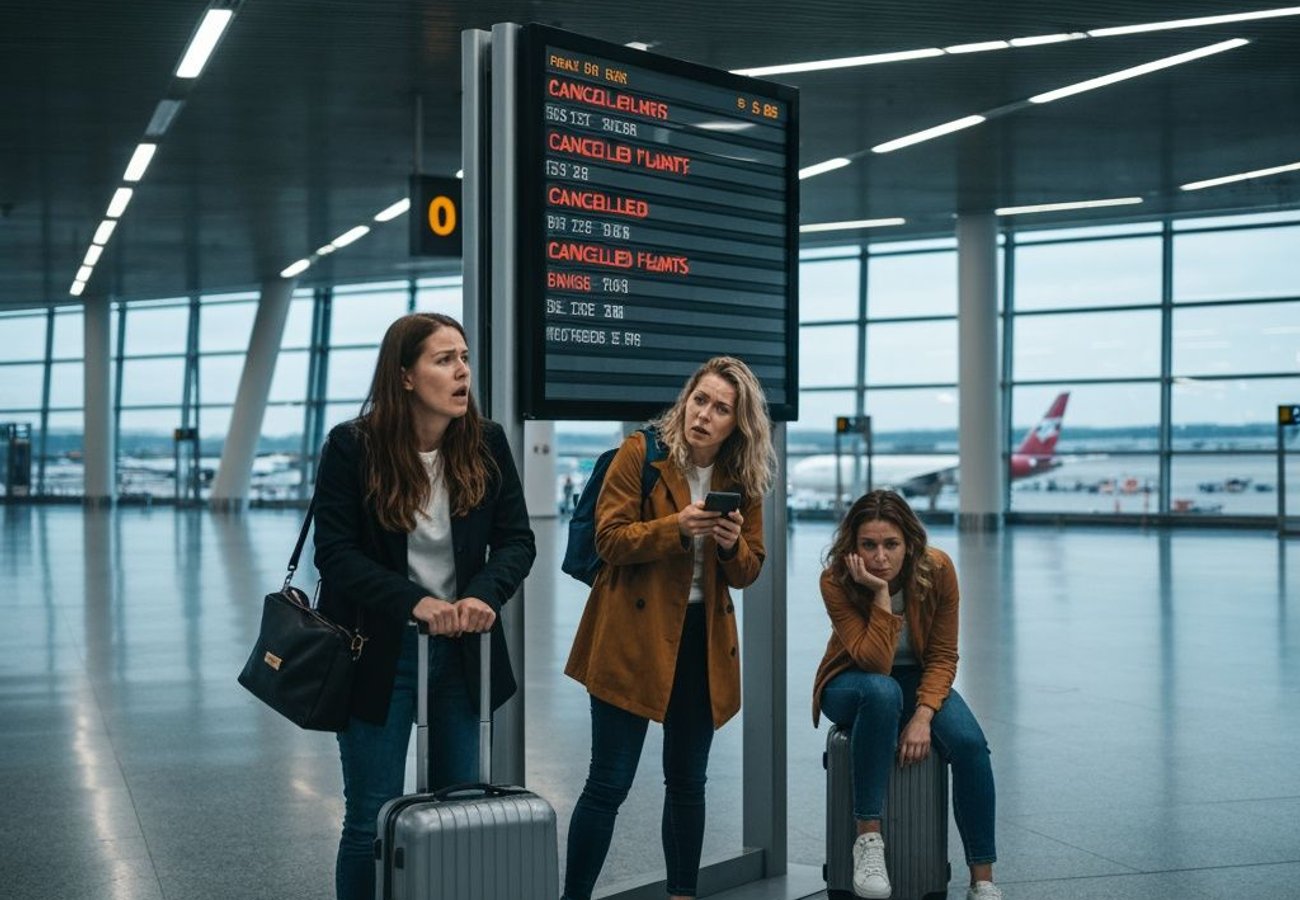
Image generated by AI
It was supposed to be a routine regional hop from Cleveland Hopkins International Airport (CLE) to Detroit Metropolitan Wayne County Airport (DTW). Instead, Delta Air Lines flight 4854 operating as a Delta Connection service on May 27, 2026, became a cautionary tale about workplace conflict at 35,000 feet—and what happens when tensions boil over on the ground.
The Incident That Grounded a Flight
Two cabin crew members working the Endeavor Air (9E) regional jet didn't just disagree. According to police records and eyewitness accounts, one flight attendant allegedly assaulted the other during the inbound flight, with visible scratches reported on the victim.
But here's where it gets messy: the conflict didn't stay contained in the cabin. When the aircraft landed in Cleveland, the dispute escalated at the gate. Officers responded to Gate B6 for an altercation involving two cabin crew members, according to incident reports reviewed by View from the Wing.
Police boarded the aircraft and escorted one flight attendant—described as visibly shaken—from the cabin. Officers then returned and detained a second crew member. The physical evidence and statements led to both employees being removed from duty.
Why Federal Rules Forced the Cancellation
Here's the regulatory reality that passengers don't often think about: Federal aviation rules mandate minimum cabin crew levels based on aircraft seating capacity. An airline cannot legally depart once it falls below that threshold, regardless of reason.
With two crew members removed by police, the Bombardier CRJ-900 didn't have enough qualified staff to operate safely and legally. Delta had no additional later services on the route that day to recover the flight. The airline's only option: rebook affected passengers onto flights the following day.
The carrier cited "lack of crew" as the official cancellation reason. Technically accurate. But the shorthand masked a more troubling reality—that a workplace fight between employees had triggered a cascading operational failure affecting dozens of innocent travelers.
Reddit: "So two flight attendants throw hands and suddenly hundreds of people lose their plans? Wild how one conflict at the gate can ripple like that." — r/aviation
The Double Standard: Passengers vs. Employees
Here's where the story takes an uncomfortable turn. Delta and other carriers enforce swift, often permanent bans against passengers who misbehave. A single incident, caught on video, can result in a lifetime ban from the airline.
But when the misconduct involves an employee? The process moves through union representation, human resources reviews, internal discipline procedures, and police records before any termination decision. The timeline stretches from hours (for passengers) to weeks or months (for crew).
This creates an inherent asymmetry: passengers face immediate consequences while employees navigate a more protective—and slower—disciplinary pathway. Neither system is inherently wrong, but the gap highlights how airline accountability operates differently depending on your employment status.
A Pattern of Crew Conflict Across the Industry
Delta's incident isn't isolated. The frequency of crew pairing problems has forced the industry to develop specific protocols. Most airlines maintain "do not pair" lists that prevent crew members who have clashed from being scheduled together again.
But those lists only stop repeat conflicts. They can't prevent first occurrences—like what happened in Cleveland.
Other carriers have faced similar turbulence:
Two SkyWest Airlines flight attendants working for American Airlines disagreed over passenger seat-trading rules so intensely that they refused to work together, abandoning the flight. A United Airlines regional service was stranded in Des Moines after the carrier pulled an entire crew over a flight attendant confrontation.
These aren't isolated incidents. They reveal a structural challenge in aviation: cabin crew frequently work alongside colleagues they've never met. With hundreds of daily flights and rotating staff, the miracle isn't that conflicts happen—it's that they're so statistically rare.
When Conflict Reaches the Flight Deck
If cabin crew disputes are concerning, conflicts among pilots are genuinely dangerous. An Alaska Airlines captain once walked off a flight after arguing with the first officer, reportedly telling passengers he wasn't getting along with his coworker.
The most alarming case: a Delta first officer pulled a gun on the captain and threatened to shoot him if he diverted the flight for a sick passenger. That scenario didn't just disrupt operations—it created genuine safety hazards.
These incidents underscore why FAA regulations are strict about crew composition and authority. The flight deck is not a democracy. Interpersonal disputes can't be allowed to compromise operational decisions or safety protocols.
What This Means for Travelers
When you book a flight, you're not just trusting mechanics and weather forecasts. You're also trusting that the human beings operating that aircraft have professional boundaries and conflict-resolution skills. Most do.
But Delta's cancelled flight reveals how quickly workplace dysfunction can cascade into passenger impact. One altercation. Two removed crew members. One cancelled flight. Dozens of disrupted itineraries.
The question lingering after May 27 in Cleveland isn't just about what happened between two flight attendants. It's whether the aviation industry's faster response to passenger misconduct should be matched—or at least balanced—by more structured accountability mechanisms for crew.
Because the next time a regional flight gets cancelled, passengers rebooking for tomorrow might want to know whether it was a scheduling issue or whether someone decided to resolve a workplace conflict with their fists.
The skies work best when the people flying them remember they're not alone up there.
Related Travel Guides
Disclaimer
This article is for informational and educational purposes only. It does not constitute legal, financial, or professional advice. While we strive to provide accurate and up-to-date information, travel policies, regulations, and conditions change rapidly. Always verify information with official sources before making travel decisions. Nomad Lawyer makes no representations about the accuracy, reliability, completeness, or suitability of the information provided. Readers should consult qualified professionals for advice specific to their circumstances. The views expressed in this article are those of the author and do not necessarily reflect the views of Nomad Lawyer.
Kunal K Choudhary
Co-Founder & Contributor
A passionate traveller and tech enthusiast. Kunal contributes to the vision and growth of Nomad Lawyer, bringing fresh perspectives and driving the community forward.
Learn more about our team →