
Delta Air Lines Flight DAL3195 Boeing 737-900 Diverts from Newark to Greenville-Spartanburg Airport in 2026
Delta Air Lines Flight DAL3195, a Boeing 737-900 traveling from Newark to Atlanta, was forced to divert to Greenville-Spartanburg International Airport on July 16, 2026, due to unexpected operational circumstances.

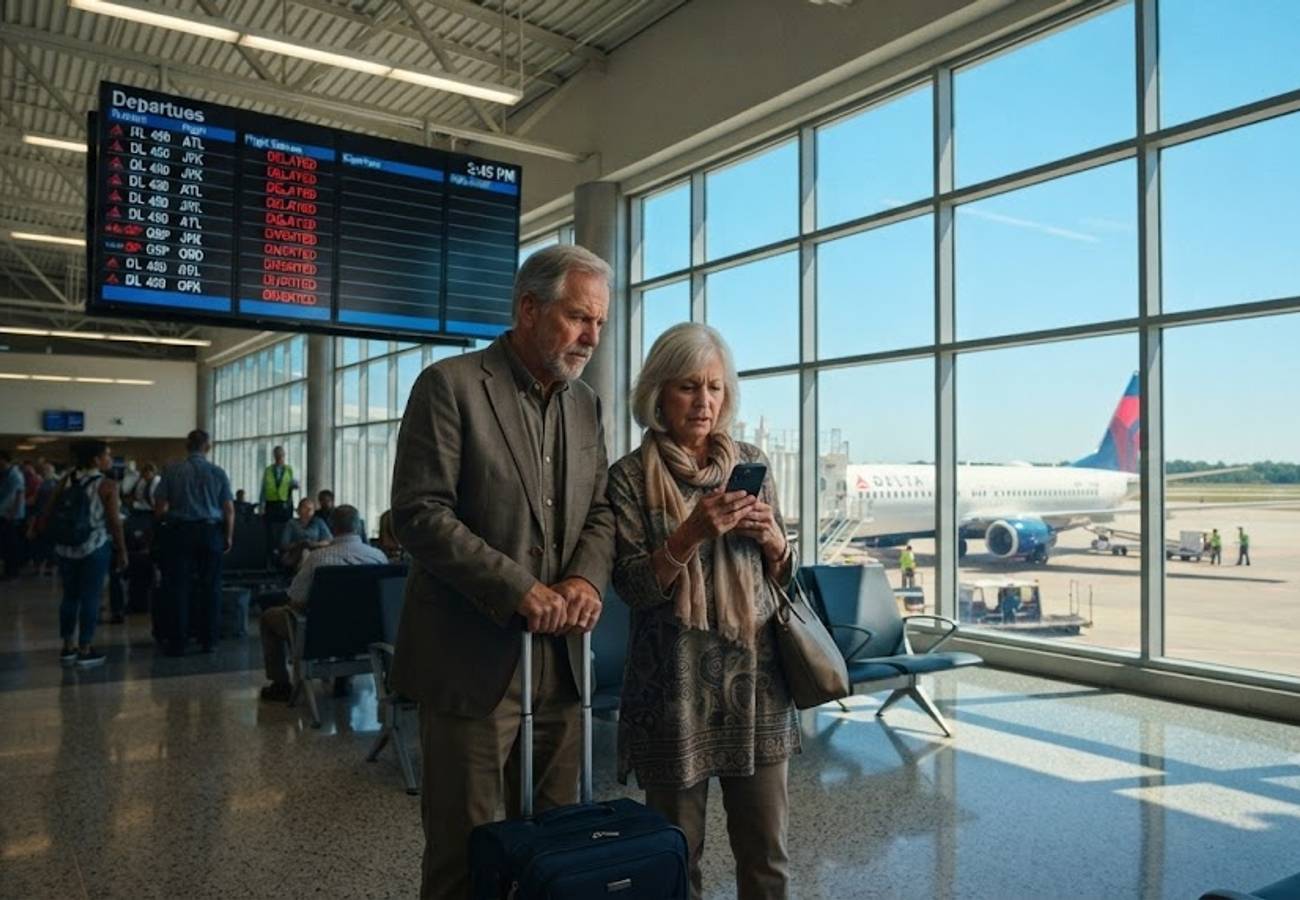
Image generated by AI
Delta Air Lines Flight DAL3195, operating from Newark Liberty to Hartsfield-Jackson Atlanta, diverted to Greenville-Spartanburg International Airport on July 16, 2026. The Boeing 737-900 landed safely in South Carolina following an unexpected operational requirement.
The Disruption Details
On July 16, 2026, Delta Air Lines Flight DAL3195 experienced a significant route deviation. The aircraft, a Boeing 737-900, departed Newark Liberty International Airport (EWR) at approximately 4:29 PM with a scheduled destination of Hartsfield-Jackson Atlanta International Airport (ATL).
During the flight, the crew initiated a diversion to Greenville-Spartanburg International Airport (GSP) in South Carolina. While Delta Air Lines has not officially disclosed the specific cause of the diversion, standard aviation protocols indicate such decisions are typically driven by technical assessments, medical emergencies, weather volatility, or air traffic restrictions.
Flight & Airport Impact Breakdown
Our analysis of the flight data and operational reports indicates the following specifics:
- Flight Number: DAL3195
- Aircraft Model: Boeing 737-900 (Narrow-body)
- Departure Point: Newark Liberty International Airport (EWR)
- Intended Destination: Hartsfield-Jackson Atlanta International Airport (ATL)
- Diversion Point: Greenville-Spartanburg International Airport (GSP)
- Departure Time: 4:29 PM, July 16, 2026
- Primary Impact: All passengers on board were redirected to South Carolina, causing delays for those with onward connections at the Atlanta hub.
Passenger Rights & Advisory (Information Gain)
When a flight is diverted, passengers are entitled to specific protections. While this was a domestic U.S. flight, the following guidelines apply based on Department of Transportation (DOT) standards and Delta's Contract of Carriage:
Rebooking and Transportation Passengers diverted to an airport other than their destination are generally entitled to be re-accommodated on the next available flight to their final destination at no additional cost. If the airline cannot provide a timely flight, passengers may request a full refund for the unused portion of their ticket.
Duty of Care Depending on the length of the delay at Greenville-Spartanburg (GSP), passengers should request:
- Meal Vouchers: Provided for significant delays during the diversion.
- Hotel Accommodations: If the operational issue prevents the flight from continuing until the following day, Delta is typically responsible for arranging overnight lodging and ground transportation.
Connecting Flight Impacts Because Atlanta (ATL) is a primary hub, this diversion likely caused missed connections. Passengers should immediately use the Delta Fly app or airport kiosks to secure new boarding passes. Under DOT rules, if a diversion results in a significant delay, passengers may be eligible for a refund of the ticket price if they choose not to travel.
Industry Analyst View
The selection of Greenville-Spartanburg International Airport (GSP) as the diversion point underscores the strategic importance of regional airports in the U.S. aviation infrastructure. For a Boeing 737-900, GSP provides the necessary runway length and emergency support services required to handle a diverted narrow-body aircraft safely.
From an operational standpoint, diverting a flight from a high-traffic corridor like Newark-Atlanta is a calculated risk-mitigation strategy. By landing at a regional airport rather than attempting to reach a congested hub like ATL during an "operational situation," flight crews prioritize safety over schedule adherence. This incident highlights the ongoing reliance on the Boeing 737-900's versatility for domestic hub-and-spoke operations, even as carriers modernize their fleets.
Safety protocols remain the primary driver in all diversionary landing decisions.
Related Travel Guides
Disclaimer
This article is for informational and educational purposes only. It does not constitute legal, financial, or professional advice. While we strive to provide accurate and up-to-date information, travel policies, regulations, and conditions change rapidly. Always verify information with official sources before making travel decisions. Nomad Lawyer makes no representations about the accuracy, reliability, completeness, or suitability of the information provided. Readers should consult qualified professionals for advice specific to their circumstances. The views expressed in this article are those of the author and do not necessarily reflect the views of Nomad Lawyer.
Preeti Gunjan
Contributor & Community Manager
A passionate traveller and community builder. Preeti helps grow the Nomad Lawyer community, fostering engagement and bringing the reader experience to life.
Learn more about our team →