
Delta Air Lines Faces Global Cancellation Peak Following Boston Logan Airport Fuel Crisis and LaGuardia Weather Disruptions in 2026
Delta Air Lines recorded the highest number of global flight cancellations on July 6, 2026, after a critical fueling system failure at Boston Logan International Airport triggered a widespread ground stop.

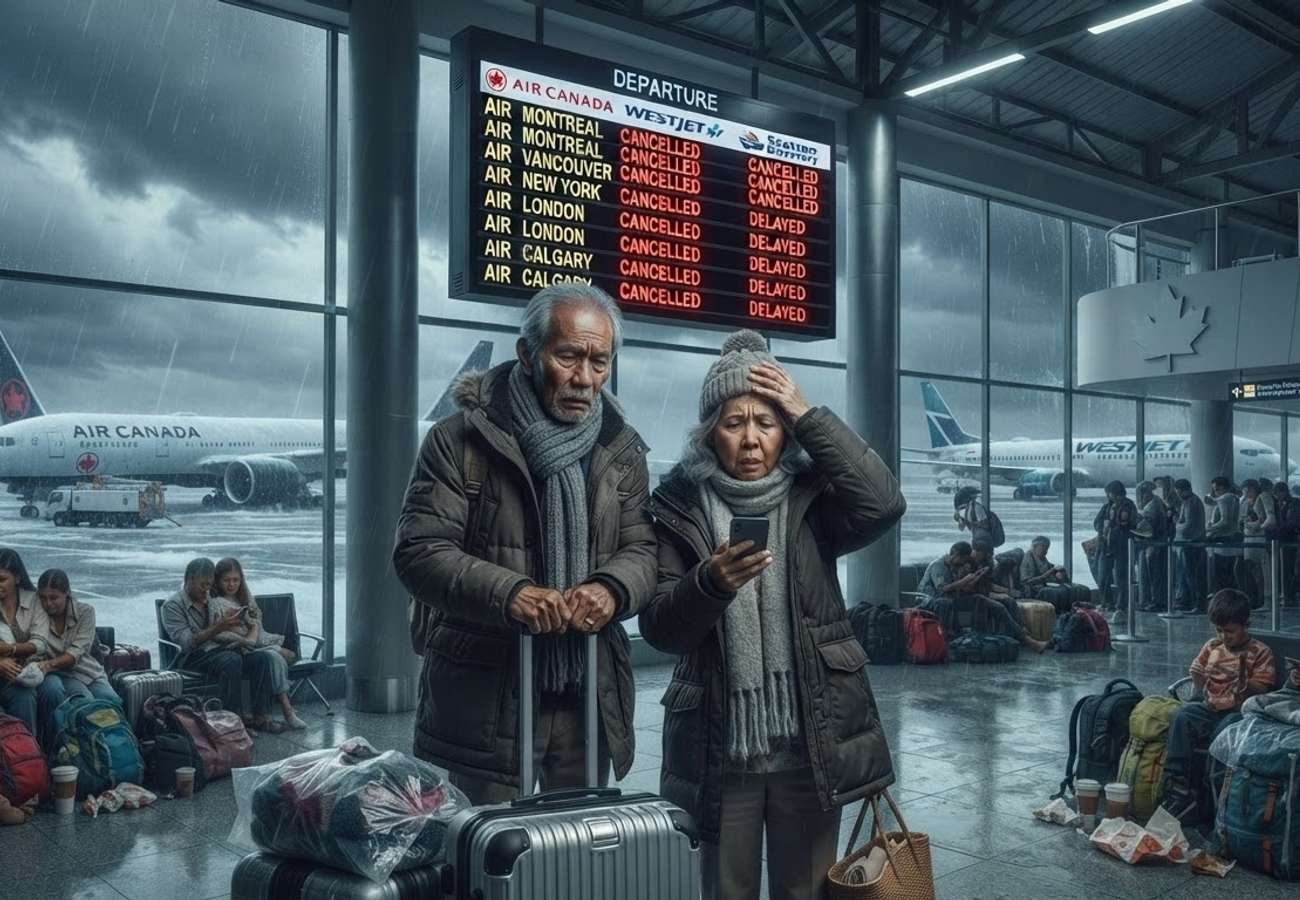
Image generated by AI
[Boston, MA] — Delta Air Lines became the most impacted carrier globally on July 6, 2026, as a cascading series of operational failures, including a critical fuel system outage at Boston Logan International Airport (BOS) and extreme heat at LaGuardia (LGA), forced the airline to cancel dozens of flights. The disruptions began Sunday evening when a ground stop paralyzed one of Delta's primary East Coast hubs, leaving hundreds of passengers stranded on the tarmac and triggering a ripple effect across the U.S. aviation network.
The crisis originated from a technical failure within the fueling infrastructure operated by BOSFUEL. This system outage effectively halted the ability to refuel outgoing aircraft, prompting the Federal Aviation Administration (FAA) to implement a ground stop at Boston Logan. While the technical glitch was resolved before midnight on Sunday, the operational backlog extended well into Monday, cementing Delta's position as the airline with the highest volume of cancellations during the early morning hours of July 6.
BOSFUEL System Failure Triggers Ground Stop at Boston Logan
The operational paralysis at Boston Logan International Airport was not limited to a single carrier, but Delta Air Lines felt the most significant impact due to its heavy hub presence at the facility. Reports indicate that the fueling system failure caused severe congestion, as aircraft were unable to leave their gates.
Passenger accounts highlight the severity of the delay; one traveler on a flight from Nashville reported being held on the tarmac for 45 minutes. According to reports from the Boston Globe, passengers were informed that the inability to fuel outgoing aircraft had created a complete bottleneck at the gates.
In response to the chaos, Delta implemented flexible rebooking policies. The airline waived change fees for affected passengers traveling to, from, or through Boston on July 6, 2026. To qualify for a waiver of the fare difference, passengers were required to rebook the same cabin and destination by July 7, 2026.
Operational Collapse Across New York Hubs and Boston
The fallout from the Boston fuel crisis coincided with separate operational challenges at LaGuardia (LGA) and John F. Kennedy International Airport (JFK). By Monday morning, Delta was leading the industry in total cancellations, struggling to recover from the BOS ground stop while simultaneously battling weather-related constraints in New York.
At LaGuardia, the situation was exacerbated by a high heat advisory. The airline warned that extreme temperatures, combined with existing operational constraints, were impacting flight schedules. Similar to the Boston situation, Delta offered fare difference waivers for those rebooking in the same cabin by July 7.
The scale of the disruption is evident in the early morning data for July 6, where Delta significantly outperformed other major carriers in total cancellations.
Airline Cancellation Rankings: Early July 6, 2026
| Rank | Airline | Cancellation Total |
|---|---|---|
| 1 | Delta Air Lines | 94 |
| 2 | JetBlue | 63 |
| 3 | Republic | 63 |
| 4 | United Airlines | 52 |
| 5 | Endeavor Air | 41 |
According to flight tracking data from FlightAware, Boston Logan itself faced 26 departure cancellations and 21 arrival cancellations during this window, second only to LaGuardia in terms of departure disruptions.
Daily Performance Metrics and Recovery Efforts
As the day progressed on Monday, July 6, the volume of disruptions shifted. While Delta managed to slow the rate of new cancellations, the sheer number of delayed flights remained high due to the surge in travel associated with the 250th anniversary of the United States.
By the end of Monday, Delta recorded 131 total cancellations and 1,047 delays. However, when looking at the total U.S. market for the full day, regional carriers took the lead in total cancellations.
Total U.S. Airline Cancellations: July 6, 2026
| Rank | Airline | Cancellations |
|---|---|---|
| 1 | Republic | 269 |
| 2 | JetBlue | 213 |
| 3 | Endeavor Air | 169 |
| 4 | Delta Air Lines | 131 |
| 5 | PSA Airlines | 130 |
The recovery process faced a secondary setback on Tuesday. Boston Logan experienced further disruptions caused by an FAA ground delay, this time attributed to low ceilings and reduced visibility. This weather event caused Delta to once again lead U.S. airlines in departure cancellations at BOS and rank first in arrival delays with 341 instances.
On Tuesday, Delta's total cancellations stood at 32, trailing behind JetBlue, Endeavor Air, and Southwest Airlines. By Wednesday afternoon, the airline's operations had largely stabilized, reporting only 9 cancellations and 126 delays.
Why This Matters: The Fragility of Hub-and-Spoke Infrastructure
The events of July 6, 2026, underscore a critical vulnerability in modern aviation: the "single point of failure" within hub infrastructure. While airlines like Delta have invested heavily in renovating terminals and upgrading passenger facilities, these improvements are irrelevant if the basic utility infrastructure—such as fuel delivery—fails.
The fact that a fueling system issue at a single airport (BOS) could lead to an airline having the most cancellations worldwide demonstrates the extreme interdependence of the hub-and-spoke model. When a primary hub is throttled, the "ripple effect" creates a logistical nightmare that cannot be solved simply by rebooking; it requires the physical repositioning of aircraft and crews who are now out of place.
Furthermore, the overlap of a technical fuel crisis in Boston with a weather-driven heat crisis in New York reveals how thin the operational margins are during peak travel periods. For Delta, this incident highlights that "performance improvement" cannot just focus on the passenger experience or aircraft efficiency, but must include rigorous redundancy planning for third-party ground services like BOSFUEL.
Delta continues to monitor its East Coast operations as it attempts to regain full schedule reliability.
Related Travel Guides
Disclaimer
This article is for informational and educational purposes only. It does not constitute legal, financial, or professional advice. While we strive to provide accurate and up-to-date information, travel policies, regulations, and conditions change rapidly. Always verify information with official sources before making travel decisions. Nomad Lawyer makes no representations about the accuracy, reliability, completeness, or suitability of the information provided. Readers should consult qualified professionals for advice specific to their circumstances. The views expressed in this article are those of the author and do not necessarily reflect the views of Nomad Lawyer.
Kunal K Choudhary
Co-Founder & Contributor
A passionate traveller and tech enthusiast. Kunal contributes to the vision and growth of Nomad Lawyer, bringing fresh perspectives and driving the community forward.
Learn more about our team →