
US Aviation Chaos: Delta Faces Massive Airbus A321neo Fleet Disruption as Severe FAA Regulatory Gridlock Threatens Premium Transcontinental Routes
As a terrifying regulatory stalemate completely grounds its highly anticipated premium seating, Delta Air Lines is violently forced to consider abandoning its bespoke A321neo luxury cabins, creating massive fleet deployment chaos.

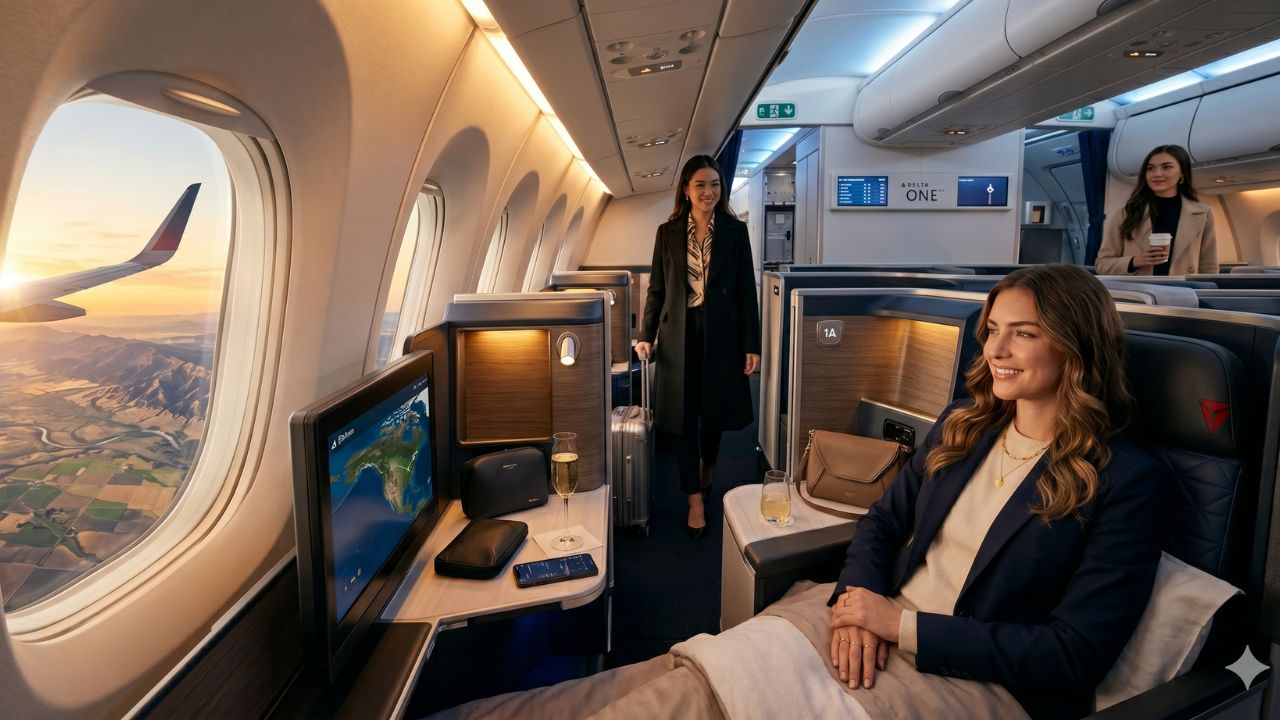
Image generated by AI
A Massive Regulatory Meltdown Paralyzes Delta's Fleet
While massive sectors of the global passenger network frequently battle highly unpredictable extreme weather events, synchronized logistical bottlenecks, and horrific terminal capacity constraints, unprecedented government regulatory gridlock remains the absolute most terrifying catalyst for cascading airport disruptions and internal fleet chaos. Delivering highly urgent, breaking airline news, verified North American aviation trackers confirm that a catastrophic operational bottleneck has actively generated severe travel chaos deep within the fleet management divisions of Delta Air Lines. Today, June 3, 2026, severe corporate distress forcefully emerged as the Atlanta-based carrier faces a massive, highly destructive regulatory stalemate with the Federal Aviation Administration (FAA), threatening to completely destroy its long-term strategy for premium United States transcontinental routes.
While desperate travelers usually attempt to navigate sudden, terrifying flight cancellations caused by technical failures on the runway, these exclusive aviation updates reveal a highly systemic, incredibly disruptive capacity crisis occurring within the certification laboratories. Verified industry data confirms that this massive operational strain is a direct result of Delta's bespoke, ultra-premium Safran Vue business class seats repeatedly failing complex FAA safety clearances. This horrific regulatory overload is actively destroying the operational efficiency of Delta's highly anticipated Airbus A321neo subfleet, violently stranding brand-new aircraft in long-term storage, and officially triggering an unprecedented domestic deployment crisis that threatens to strip Delta of its competitive edge on lucrative routes between Los Angeles and New York JFK.
Expanded Overview: The Scale of the Transcontinental Crisis
The sudden, highly publicized exposure of this massive internal operational lockdown serves as an undeniable example of how rapidly a heavily reliant fleet strategy can completely disintegrate under extreme regulatory pressure. The massive disruption has explicitly drawn international attention to the incredibly complex, highly fragile bureaucratic ecosystem that dictates aircraft safety in the United States. For a massive continental carrier heavily reliant on incredibly robust, high-yield premium cabins to replace its aging Boeing 757 fleet, forcing state-of-the-art narrowbody jets to sit idle completely destroys the airline's financial projections for the decade.
The terrifying reality of this crisis is found in the sheer volume of high-capacity aircraft abruptly removed from their intended markets. The cornerstone of Delta's strategy was the innovative Safran Vue product, a highly exclusive reverse herringbone configuration designed to maximize personal space and deploy fully enclosing sliding privacy doors. Because reverse herringbone designs are fiercely preferred by premium passengers, this cabin was built to dominate the market. However, with the first aircraft delivered in 2024 immediately placed into dead storage, Delta has been forced into a humiliating temporary pivot, outfitting several jets with merely 44 standard domestic first-class recliners and aggressively restricting them to short-haul routes out of Atlanta, far away from the transcontinental battlegrounds they were built for.
Section-Wise Breakdown of the Certification Crisis
The Regulatory Gridlock
The primary obstacle violently preventing the deployment of this premium product is the incredibly slow, excruciatingly rigorous safety certification process managed by United States aviation authorities. The FAA approval process remains completely stalled two years post-delivery. Public statements verify that cutting-edge premium cabin designs like the Safran Vue are routinely failing complex human factors evaluations and struggling to satisfy highly stringent dynamic crash test criteria. These catastrophic testing failures necessitate massive, time-consuming engineering modifications. With current industry projections shockingly suggesting that full safety approval could take until 2028, Delta is bleeding capital waiting for a custom cabin that may never legally fly in America.
The Threat of a Severe Downgrade
Because the regulatory timeline is completely unmanageable, Delta is violently being forced to consider officially terminating the Safran Vue program entirely. The most probable alternative is a rapid, desperate transition toward the Thompson Aero VantageSOLO platform. Because this alternative hardware has already secured formal FAA approval, the terrifying risk of further certification delays would be instantly eliminated. However, adopting this platform forces a brutal transition from a private, window-facing reverse herringbone layout to an exposed, aisle-facing herringbone configuration—a massive, highly publicized downgrade in passenger privacy and comfort that completely betrays Delta's premium vision.
The Transatlantic Contrast
The extreme difficulties experienced by Delta vividly expose a wider systemic backlog within the United States that simply does not exist overseas. In stark, infuriating contrast, the European Union Aviation Safety Agency (EASA) has demonstrated massive operational velocity. EASA successfully cleared a very similar reverse herringbone business class product for ITA Airways, allowing them to instantly operate the configuration on their European single-aisle fleets. This regulatory disparity also violently struck Lufthansa, who faced massive FAA delays securing American approval for its new Allegris cabins on US-built Boeing 787s, where specific seats remain legally restricted from passenger occupancy today.
Verified Regulatory Status and Seating Data
To fully comprehend the massive operational scale and severe capacity strain dictating this highly volatile corporate crisis, the following tables explicitly detail the exact seating configurations and their current regulatory status within the US market:
US Aviation Premium Seating Market Comparison
| Seating Architecture | Manufacturer / Platform | Passenger Orientation | Current US Regulatory Status | Global Operators |
|---|---|---|---|---|
| Safran Vue | Safran Seats | Reverse Herringbone (Facing Windows) | Severely Stalled / Pending FAA Approval | ITA Airways (Europe-only) |
| VantageSOLO | Thompson Aero | Herringbone (Facing Aisle) | Fully Approved for US Operations | JetBlue, Iberia, American Airlines |
The Scale of the Delta A321neo Disruption
| Operational Phase | Verified Fleet Impact | Strategic Consequence |
|---|---|---|
| 2024 Initial Delivery | First A321neo delivered to Delta. | Immediately forced into dead storage due to lack of certification. |
| 2026 Operational Pivot | Temporary reconfigurations executed. | Aircraft severely restricted to short-haul Atlanta routes with 44 recliner seats. |
| 2028 Projected Approval | Estimated timeline for Safran Vue clearance. | A four-year delay threatening to completely destroy the product lifecycle. |
Passenger Impact: Navigating the Analytical Meltdown
For the modern premium commuter attempting to navigate this highly volatile transcontinental network, the passenger impact of this massive regulatory failure is completely exhausting. Reliable premium hardware is the absolute backbone of highly expensive, bi-coastal business itineraries frequently booked by corporate executives.
- Anticipate Subpar Premium Cabins: Because the Safran Vue is legally grounded, passengers paying massive premiums for transcontinental Delta flights will continue to fly on rapidly aging Boeing 757s or A321neos outfitted with highly inferior, temporary domestic recliners.
- Prepare for Reduced Privacy: If Delta permanently pivots to the Thompson Aero VantageSOLO, premium passengers must aggressively brace for aisle-facing seats that completely strip away the privacy of an enclosed suite, forcing direct eye contact with the aisle.
- Competitor Advantage: Passengers demanding ultimate transcontinental privacy are heavily urged to completely abandon Delta in the short term and book with carriers like JetBlue or American Airlines, who have already successfully integrated approved premium platforms into their fleets.
Conclusion: A Highly Volatile Transit Crisis
The massive, highly publicized regulatory gridlock currently crushing Delta Air Lines represents a severe, terrifying operational crisis for the American transcontinental travel sector. By actively forcing millions of dollars of brand-new aircraft into storage, this extreme FAA backlog guarantees an incredibly stressful, highly disappointing premium travel experience. As corporate fleet management teams frantically battle sudden bureaucratic puzzles and severe crash-test failures, premium passengers are heavily urged to aggressively monitor Delta's upcoming fleet announcements, thoroughly research the exact cabin layout of their booked aircraft, and fully expect massive, cascading deployment disruptions amidst unprecedented US aviation regulatory chaos.
Key Takeaways
- Massive Fleet Grounding: Delta Air Lines is facing a severe regulatory crisis as the FAA refuses to certify the Safran Vue business class seats for its new Airbus A321neo transcontinental fleet.
- Four-Year Delay: Aircraft delivered in 2024 are currently sitting in storage or flying temporary domestic routes, with full FAA approval potentially stalling until 2028.
- Forced Product Downgrade: To escape the regulatory gridlock, Delta is heavily considering abandoning the private, reverse-herringbone Safran Vue for the pre-approved, aisle-facing Thompson Aero VantageSOLO.
- Losing the Competitive Edge: Adopting the VantageSOLO would force Delta to use the exact same seating architecture as major rivals like American Airlines, completely destroying its qualitative product differentiation.
- Passenger Survival Tactics: Premium travelers booking transcontinental flights between LAX and JFK are aggressively urged to verify the aircraft type before booking, as Delta's highly anticipated luxury cabins remain legally grounded indefinitely.
Disclaimer: The specific regulatory approval timelines, seating architecture failures, and airline operational deployment shifts presented in this report are based on verified aerospace data regarding Delta Air Lines and the FAA in June 2026. Official aircraft certification, safety testing protocols, and local civil aviation policies are highly volatile and subject to continuous, real-time update based on active federal directives, fluctuating crash-test results, and sudden bureaucratic shifts. Prospective passengers are urgently advised to fiercely monitor their specific booking status and verify active cabin layouts directly via the airline's official portal prior to booking premium transcontinental travel.
Disclaimer
This article is for informational and educational purposes only. It does not constitute legal, financial, or professional advice. While we strive to provide accurate and up-to-date information, travel policies, regulations, and conditions change rapidly. Always verify information with official sources before making travel decisions. Nomad Lawyer makes no representations about the accuracy, reliability, completeness, or suitability of the information provided. Readers should consult qualified professionals for advice specific to their circumstances. The views expressed in this article are those of the author and do not necessarily reflect the views of Nomad Lawyer.
Kunal K Choudhary
Co-Founder & Contributor
A passionate traveller and tech enthusiast. Kunal contributes to the vision and growth of Nomad Lawyer, bringing fresh perspectives and driving the community forward.
Learn more about our team →