
Delta A321neo Airbus First Class Plans Face [FAA](https://www.faa.gov) Certification Hurdles
Delta Air Lines may abandon lie-flat business class seats on its delta a321neo airbus fleet due to [FAA](https://www.faa.gov) certification challenges affecting premium transcontinental routes in 2026.

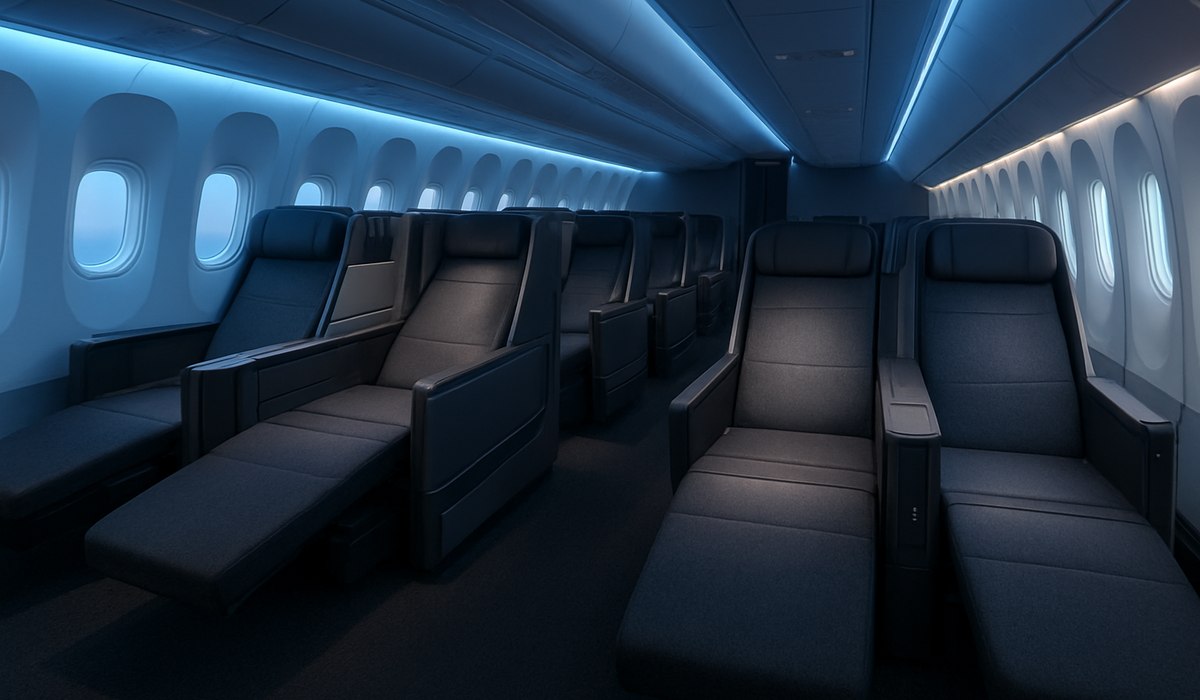
Image generated by AI
Delta's A321neo First Class Plans Under Regulatory Pressure
Delta Air Lines, the Atlanta-headquartered carrier, is reportedly reconsidering its ambitious lie-flat business class rollout for the delta a321neo airbus aircraft. The SkyTeam alliance member had unveiled premium cabin upgrades designed for high-demand transcontinental routes between major U.S. hubs, but regulatory certification obstacles now threaten the carrier's timeline and deployment strategy.
The seat design complications emerged during FAA technical review processes, forcing Delta to evaluate whether modified seating configurations might accelerate approval or if the airline should pivot to alternative premium cabin layouts entirely.
What Happened to Delta's A321neo First Class Plans
Delta initially announced aggressive premium cabin enhancements for its A321neo narrow-body fleet, positioning the aircraft as a direct competitor to premium long-range regional services. The lie-flat seat technology promised business travelers maximum comfort on cross-country routes, featuring direct-aisle access, enhanced bedding systems, and privacy dividers comparable to widebody offerings.
However, the certification pathway proved more complex than anticipated. The FAA's rigorous testing requirements for new seat designs—including emergency egress protocols, structural integrity assessments, and passenger safety compliance—created unexpected delays. Delta must now balance market competitiveness against regulatory timelines and development costs associated with the delta a321neo airbus program.
Airlines pursuing innovative cabin designs frequently encounter certification friction when introducing untested configurations on narrow-body platforms. The approval process demands comprehensive documentation, prototype testing, and multiple FAA review cycles before commercial deployment authorization.
The Certification Issues Blocking the New Seat Design
FAA certification for novel aircraft seating involves stringent safety protocols beyond standard comfort specifications. Regulators mandate thorough evacuation simulations, ensuring passengers can exit safely within designated timeframes using available emergency slides and exits.
The lie-flat configuration presents unique challenges on narrow-body aircraft. Seated-length beds require innovative space-utilization solutions that don't compromise aisle width, emergency equipment access, or galley functionality. Additionally, the delta a321neo airbus features space constraints that complicate premium cabin integration compared to wide-body alternatives.
Delta must submit detailed engineering documentation addressing structural loads, restraint systems, and failure scenarios. Testing requires full-scale mockups, computer modeling validation, and real-world evacuation drills with volunteer passengers. These requirements extend timelines significantly and increase development expenses substantially. The certification hurdles may push deployment beyond Delta's original 2026 schedule, potentially extending into 2027 or later.
Airlines historically require 12-24 months for novel seat certification, depending on design complexity and regulatory interaction frequency. Delta's situation reflects broader industry challenges as carriers compete for premium passenger revenue through differentiated cabin experiences.
What This Means for Premium Transcontinental Travel
The potential ditching of Delta's lie-flat offering reshapes the competitive landscape for premium transcontinental services. Passengers seeking premium sleeping accommodations between New York, Los Angeles, San Francisco, and other major business hubs may face reduced options within Delta's domestic network.
Competitors including American Airlines, United Airlines, and Southwest Airlines currently offer varied premium cabin experiences on transcontinental routes. American's Flagship First Class remains industry-leading on select routes, while United and Southwest maintain competitive regional business products. If Delta abandons or significantly delays its A321neo premium cabin plans, passengers may shift loyalty to rival carriers offering comparable experiences.
The broader implications extend to fleet utilization strategies. Delta's A321neo aircraft represent significant capital investments, and cabin configuration decisions directly impact revenue potential on high-yield routes. Narrower profit margins on premium cabin capacity versus standard economy configurations could influence Delta's A321neo deployment decisions across its transcontinental network.
When Passengers Might See Changes
Delta has not officially announced revised timelines or decision announcements regarding the delta a321neo airbus first-class program. However, industry observers expect formal guidance by late 2026 or early 2027, coinciding with continued aircraft deliveries and operational integration schedules.
If Delta proceeds with modified seating designs or alternative premium cabin approaches, fleet modifications could begin appearing on transcontinental routes by 2027-2028. Conversely, if the carrier abandons lie-flat configurations entirely, passengers may see deployment of enhanced business-class recliners instead—a proven design with established certification pathways.
Delta's decision timeline correlates directly with its A321neo delivery schedule. The airline has committed to significant narrow-body aircraft acquisitions through 2030, with transcontinental route assignments representing priority deployment targets. Premium cabin revenue optimization remains critical to justifying A321neo acquisition economics compared to alternative aircraft choices.
Traveler Action Checklist
-
Monitor Delta's official announcements via Delta.com or direct customer communications regarding A321neo premium cabin configurations and route assignments.
-
Sign up for Elite Medallion status updates if pursuing premium Delta experiences, as program benefits may shift based on A321neo cabin availability and positioning.
-
Track specific transcontinental routes (New York, Los Angeles, San Francisco, Seattle) on FlightAware to identify aircraft type assignments and cabin configurations.
-
Compare competitive premium offerings from American, United, and Southwest on identical routes to identify alternative premium cabin products during potential Delta transition periods.
-
Document booking confirmations when purchasing premium cabin tickets, as Delta may offer complimentary rebooking or refunds if A321neo premium cabin availability changes.
-
Review frequent flyer program redemption award levels for premium transcontinental cabins, as pricing may adjust based on capacity modifications or availability changes.
Key Certification and Route Impact Data
| Metric | Detail |
|---|---|
| Aircraft Program | Airbus A321neo narrow-body twin-engine jet |
| Affected Operator | Delta Air Lines, SkyTeam alliance member |
| Route Category | Domestic U.S. transcontinental services |
| Primary Target Markets | New York, Los Angeles, San Francisco, Seattle |
| Seat Configuration Impact | Lie-flat business class certification delayed or cancelled |
| FAA Certification Timeline | 12-24+ months standard for novel seating designs |
| Expected Deployment | Potentially delayed to 2027-2028 or indefinite hold |
| Competitive Context | American, United, Southwest maintain established premium configurations |
FAQ
Q: Why is the delta a321neo airbus facing certification delays for lie-flat seating?
A: The FAA requires comprehensive safety testing for novel seat designs, including emergency evacuation protocols, structural integrity assessments, and real-world passenger safety validations. Narrow-body aircraft space constraints complicate lie-flat configuration integration, extending certification timelines significantly beyond standard timeframe expectations.
Q: Will Delta abandon lie-flat seating entirely on A321neo aircraft?
A: Delta has not officially confirmed final configuration decisions. The airline may pursue modified premium recliner designs with established certification pathways, potentially offering enhanced comfort without complete lie-flat functionality.
Q: Which transcontinental routes will receive A321neo aircraft first?
A: Delta prioritizes high-demand routes including New York-Los Angeles, New York-San Francisco, and Atlanta-West Coast markets. However, exact route assignments depend on final cabin configuration decisions and operational deployment strategies.
Q: When should passengers expect to see A321neo premium cabin changes?
A: Delta will likely announce official decisions by late 2026 or early 2027. Actual passenger-facing changes on transcontinental routes may appear in 2027-2028, subject to FAA approval timelines and aircraft delivery schedules.
Related Travel Guides
Disclaimer
This article is for informational and educational purposes only. It does not constitute legal, financial, or professional advice. While we strive to provide accurate and up-to-date information, travel policies, regulations, and conditions change rapidly. Always verify information with official sources before making travel decisions. Nomad Lawyer makes no representations about the accuracy, reliability, completeness, or suitability of the information provided. Readers should consult qualified professionals for advice specific to their circumstances. The views expressed in this article are those of the author and do not necessarily reflect the views of Nomad Lawyer.
Raushan Kumar
Founder & Lead Developer
Full-stack developer with 11+ years of experience and a passionate traveller. Raushan built Nomad Lawyer from the ground up with a vision to create the best travel and law experience on the web.
Learn more about our team →