
Delhi Heatwave Travel Alert: Indoor Temperatures Hit 45°C
Critical travel warning issued for Delhi as indoor temperatures surge to 45°C. Learn how the Urban Heat Island effect is

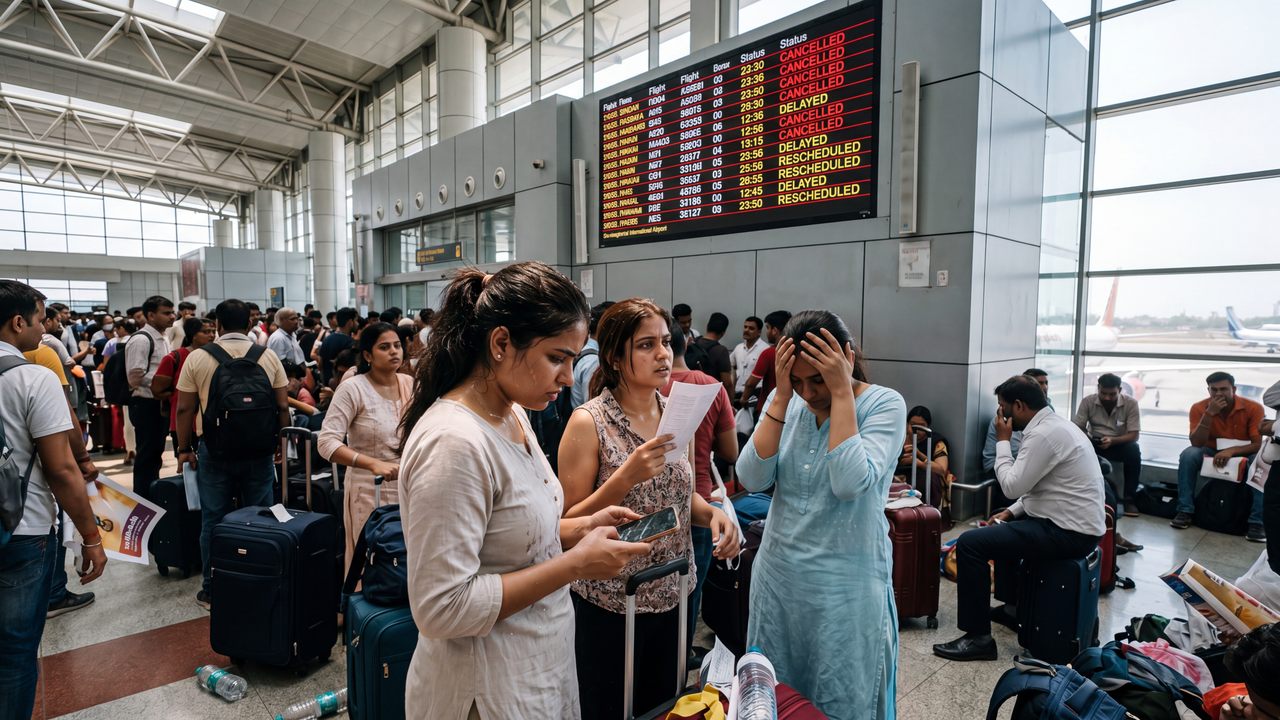
Image generated by AI
Official climate monitoring systems have triggered a high-level travel warning for India’s capital. The current crisis marks a shift in heatwave patterns; the danger is no longer confined to midday sun exposure but has transitioned into a 24-hour cycle of indoor heat stress.
The India Meteorological Department (IMD) and the National Disaster Management Authority (NDMA) report that heatwaves in Delhi are becoming longer and more intense. A primary concern is the surge in nighttime minimum temperatures, which prevents buildings from shedding heat. This lack of nocturnal cooling means the human body cannot recover from daytime thermal stress.
In densely populated urban zones, housing structures are acting as heat traps. Concrete walls absorb solar radiation throughout the day and radiate it inward during the night. This is compounded by low ceilings, poor ventilation, and high occupancy levels, keeping indoor air dangerously warm even when outdoor temperatures dip.
Travelers and commuters are facing unpredictable conditions. The risk has evolved beyond simple dehydration to include cumulative exhaustion and cardiovascular stress. Visitors staying in older districts or crowded residential areas are particularly vulnerable to the "Urban Heat Island" effect, where concrete infrastructure keeps the city significantly hotter than surrounding rural regions.
Key Facts Breakdown
- Peak Indoor Temperature: 45°C recorded in various residential areas.
- Critical Trend: Record-high nighttime temperatures over the last decade.
- Primary Driver: The Urban Heat Island effect caused by concrete roads and limited greenery.
- Health Risks: Increased cardiovascular stress and underreported heat-related fatalities.
- Infrastructure Failures: Concrete-based housing absorbing and slowly releasing heat overnight.
- Advisory Focus: IMD and NDMA guidance currently emphasizes short-term relief over long-term structural cooling.
Why This Matters
Industry observers note that this is no longer a seasonal weather event but a structural urban failure. For the travel and hospitality sector, the "recovery window"—the period at night when guests and staff can physically recover from heat—has effectively disappeared.
This creates a secondary health crisis: fragmented sleep and persistent thermal stress lead to faster physical exhaustion. Travelers who typically rely on standard fans or basic ventilation will find them ineffective when the ambient indoor temperature remains at extreme levels. This shifts the requirement for "safe" accommodation from basic air conditioning to high-efficiency thermal regulation.
Industry Outlook
The frequency of these alerts suggests that Delhi is becoming a global benchmark for extreme urban heat vulnerability. Future travel planning for South Asian hubs will likely require:
- Updated Building Codes: A shift toward heat-resilient materials to replace heat-absorbing concrete.
- Revised Itineraries: A total restructuring of tourist activity to avoid the "cumulative heat" build-up.
- Infrastructure Investment: Rapid expansion of urban green cover to mitigate the heat island effect.
- Health Monitoring: More rigorous tracking of indirect heat-related deaths to better inform travel safety protocols.
Related Travel Guides
Disclaimer
This article is for informational and educational purposes only. It does not constitute legal, financial, or professional advice. While we strive to provide accurate and up-to-date information, travel policies, regulations, and conditions change rapidly. Always verify information with official sources before making travel decisions. Nomad Lawyer makes no representations about the accuracy, reliability, completeness, or suitability of the information provided. Readers should consult qualified professionals for advice specific to their circumstances. The views expressed in this article are those of the author and do not necessarily reflect the views of Nomad Lawyer.
Raushan Kumar
Founder & Lead Developer
Full-stack developer with 11+ years of experience and a passionate traveller. Raushan built Nomad Lawyer from the ground up with a vision to create the best travel and law experience on the web.
Learn more about our team →