
Delhi govt slashes aviation fuel VAT to 7%, targeting cheaper flights
Delhi government slashes aviation turbine fuel VAT from 25% to 7% in May 2026, aiming to reduce airline operating costs and lower ticket prices despite a Rs 985 crore state revenue loss.

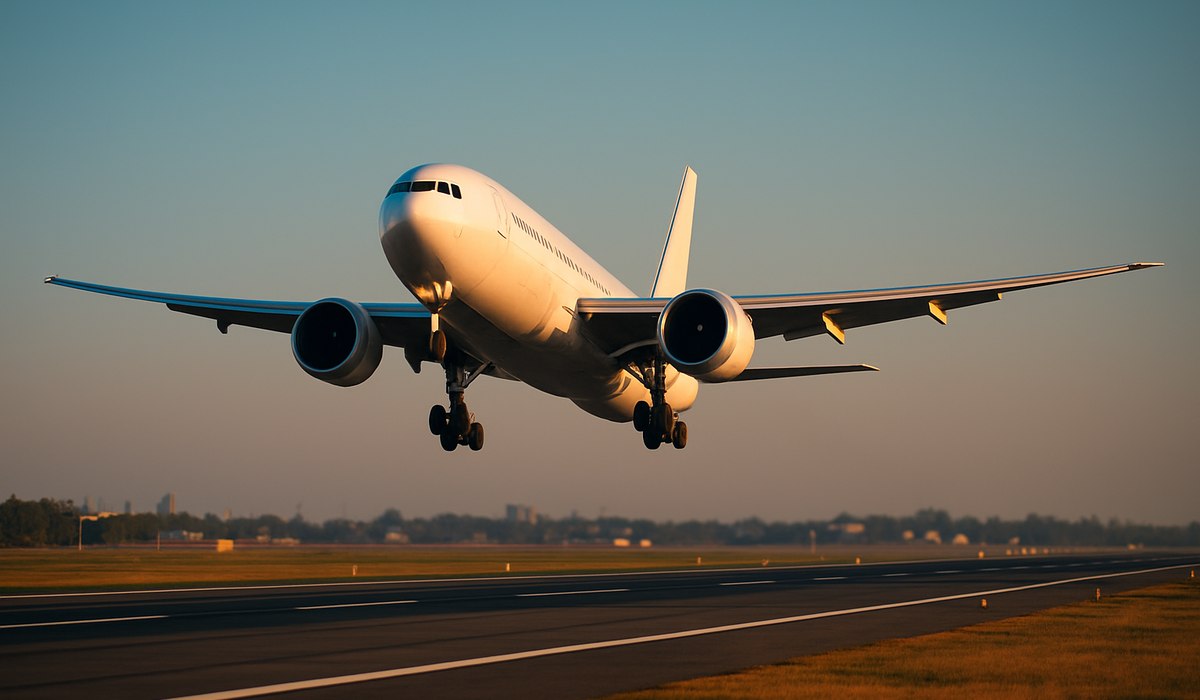
Image generated by AI
Delhi's Historic VAT Cut on Aviation Fuel: What Travelers Need to Know
Delhi government made a landmark decision on May 18, 2026, slashing Value Added Tax (VAT) on aviation turbine fuel from 25% to 7%. This substantial reduction represents one of India's most aggressive moves to lower airline operating costs within a single state. The policy, effective for six months, targets economic stimulus through increased air connectivity while acknowledging a state revenue sacrifice of approximately Rs 985 crore. Airlines operating from Delhi's major hubs—Indira Gandhi International Airport and secondary terminals—stand to benefit immediately from reduced fuel surcharges.
Delhi's VAT Cut: What Changed and Why
The Delhi government's decision to slash aviation turbine fuel VAT marks a pivotal moment in India's aviation sector. The reduction from 25% to 7% creates one of the most competitive fuel tax environments in the country, directly addressing industry complaints about high operational expenses. Airlines have consistently cited fuel taxation as a primary driver of elevated ticket prices, particularly on domestic routes originating from Delhi.
Economic analysts view this move as a calculated gamble: sacrificing nearly Rs 985 crore in immediate state revenue to stimulate longer-term growth through increased passenger volume, tourism activity, and airline profitability. The six-month implementation window suggests a pilot approach, allowing policymakers to measure consumer response and airline pricing behavior before deciding on permanent policy extension.
This VAT reduction positions Delhi competitively against other Indian states and international hubs. Airlines operating from Delhi now pay significantly lower fuel taxes compared to carriers at Mumbai, Bangalore, or Hyderabad airports, potentially creating operational advantages for carriers based in the capital region.
Impact on Airlines and Passenger Fares
The aviation turbine fuel VAT reduction directly impacts every airline operating from Delhi's major airports, including Air India, SpiceJet, IndiGo, Vistara, and budget carriers. Cost savings from reduced fuel surcharges theoretically benefit passengers through lower ticket prices, though airlines may allocate portions of savings toward profit margins rather than immediate fare reductions.
Industry observers expect price reductions primarily on competitive routes where airlines face pricing pressure. Delhi-Mumbai, Delhi-Bangalore, and Delhi-Hyderabad flights should see the most significant fare adjustments, as these routes involve multiple carriers competing for market share. Less competitive regional routes may experience modest price reductions or remained largely unchanged.
Airlines serving Delhi are likely to improve profitability metrics, which could translate into fleet expansion, additional flight frequencies, and improved service quality. The policy also makes Delhi-based operations more attractive for new airline launches or expansion of existing services. Passengers booking flights departing from Delhi or arriving at Delhi airports between May 18 and November 18, 2026, stand to benefit from this VAT reduction.
For real-time flight information and fare tracking, visit FlightAware to monitor price movements across different carriers and routes.
Financial Trade-offs for the State
Delhi's decision to reduce aviation fuel VAT involves substantial financial implications. The estimated revenue loss of Rs 985 crore represents a significant budgetary sacrifice for a six-month period, equivalent to approximately Rs 164 crore monthly revenue forgone. State policymakers essentially bet that increased economic activity—through tourism, business travel, and reduced logistics costs—will partially offset this revenue loss.
The economic rationale centers on multiplier effects: cheaper flights increase passenger volumes, which boosts airport retail activity, hotel occupancy, transportation services, and tourism-related spending. Additionally, lower airline operating costs may attract new airline investments in Delhi-based operations, creating employment and tax revenues from expanded aviation services.
However, the policy involves fiscal risk. If airlines don't significantly reduce fares or if passenger growth remains modest, the state loses Rs 985 crore in revenue without corresponding economic gains. This scenario would strain Delhi's budget for education, healthcare, and infrastructure investments. Conversely, robust passenger growth could generate indirect tax revenues exceeding the direct VAT loss.
Timeline and Implementation Details
The aviation turbine fuel VAT reduction became effective on May 18, 2026, immediately impacting all aviation fuel purchases from Delhi fuel suppliers and retailers. Airlines received notifications simultaneously, allowing operational adjustments and pricing updates. The policy operates on a six-month trial basis, concluding November 17, 2026.
Airlines began implementing fare changes within days of the announcement, with most carriers reducing surcharges and base fares on routes departing from Delhi. The Federal Aviation Administration (FAA) classifies aviation turbine fuel as Jet A-1 for international flights and Jet A for domestic operations, both subject to Delhi's revised VAT structure.
During the six-month period, the Delhi government will monitor several metrics: passenger volume growth, airline pricing behavior, state revenue collection, and overall economic activity. This data will inform decisions about extending, modifying, or discontinuing the reduced VAT rate beyond November 2026.
Airlines must ensure compliance with GST rules while operating under the reduced VAT regime. Some carriers may need accounting adjustments to separately track fuel purchases made under the old versus new tax rates. The implementation appears seamless for passengers, who benefit from lower fares without administrative friction.
What This Means for Travelers
The Delhi VAT reduction on aviation turbine fuel creates direct and indirect benefits for air travelers booking flights from or through Delhi's airports during May-November 2026.
-
Compare fares immediately: Book flights within the six-month window to capture VAT-driven savings. Prices may increase after November 17, 2026, if the policy expires.
-
Check multiple carriers: Different airlines passed cost savings to consumers at varying rates. Compare IndiGo, SpiceJet, Air India, and Vistara fares to maximize savings.
-
Prioritize Delhi departure routes: Flights originating from Delhi experience the most significant VAT impact. Connecting flights or Delhi-arrival flights show smaller fare reductions.
-
Monitor fare trends: Use flight comparison platforms to track whether airlines maintain reduced prices or gradually increase fares as the November deadline approaches.
-
Plan connecting flights strategically: If flying to non-Delhi destinations, consider routing through Delhi to capture fuel-related savings, even with connection time.
-
Subscribe to airline newsletters: Major carriers announce promotions tied to reduced operating costs. Early subscribers catch flash sales offering maximum VAT-driven discounts.
-
Book round-trip tickets: Carriers may limit savings to outbound flights; confirm whether return flights include similar reductions.
For traveler rights and compensation information, consult the US Department of Transportation's consumer protection resources.
Key Data Table
| Metric | Details |
|---|---|
| VAT Reduction | From 25% to 7% on aviation turbine fuel |
| Effective Date | May 18, 2026 |
| Expiration Date | November 17, 2026 (6-month trial period) |
| State Revenue Loss | Rs 985 crore (approximately) |
| Monthly Revenue Loss | Rs 164 crore (average) |
| Affected Airports | Indira Gandhi International Airport, Delhi secondary terminals |
| Airline Impact | All carriers operating from Delhi benefit immediately |
| Expected Fare Reduction | Varies by route; competitive routes show 5-12% reductions |
| Target Routes | Delhi-Mumbai, Delhi-Bangalore, Delhi-Hyderabad (primary beneficiaries) |
| Policy Type | Temporary stimulus measure with extension potential |
Frequently Asked Questions
Q: Will my flight ticket price definitely decrease because of Delhi's VAT reduction?
A: Most flights departing from Delhi between May 18 and November 17, 2026, should show lower fares due
Disclaimer
This article is for informational and educational purposes only. It does not constitute legal, financial, or professional advice. While we strive to provide accurate and up-to-date information, travel policies, regulations, and conditions change rapidly. Always verify information with official sources before making travel decisions. Nomad Lawyer makes no representations about the accuracy, reliability, completeness, or suitability of the information provided. Readers should consult qualified professionals for advice specific to their circumstances. The views expressed in this article are those of the author and do not necessarily reflect the views of Nomad Lawyer.
Preeti Gunjan
Contributor & Community Manager
A passionate traveller and community builder. Preeti helps grow the Nomad Lawyer community, fostering engagement and bringing the reader experience to life.
Learn more about our team →