
Experience Music Travel Transforms Hotels as Davidson County Joins Infrastructure Shift
Davidson County leads 2026 shift integrating music venues into hotel stays, creating immersive tourism experiences across U.S. counties replacing traditional concert models.

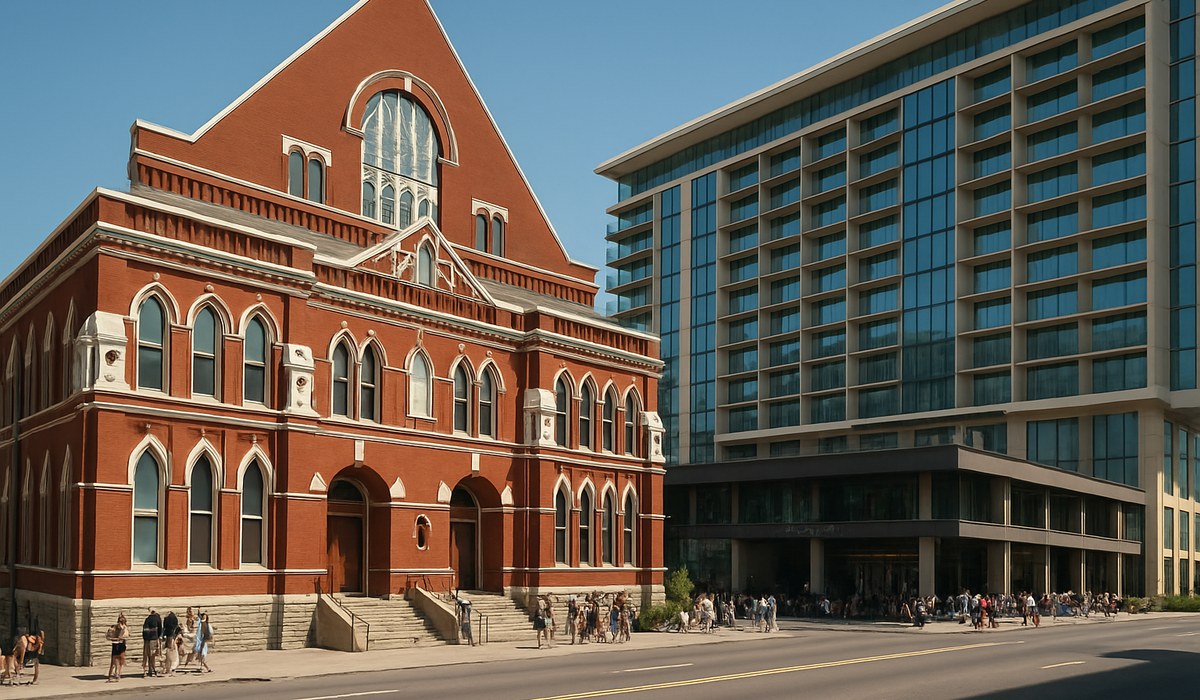
Image generated by AI
Quick Summary • Davidson, Shelby, Travis, Orleans Parish, and Sullivan counties are embedding live music infrastructure directly into hotel properties, eliminating the need for separate entertainment venues • Lodging facilities now feature in-house performance spaces, artist residencies, and 24-hour cultural programming as core amenities rather than occasional add-ons • The model shifts tourism revenue from single-night concert events to multi-day immersive stays, boosting occupancy rates and extending visitor spending windows • Regional economic diversification strategies now treat music-integrated hotels as anchor infrastructure comparable to convention centers or sports complexes
The line between checking into a hotel and stepping into a music venue is disappearing across America's heartland. Davidson County in Tennessee has formalized what Shelby County, Travis County, Orleans Parish, and Sullivan County began building throughout 2025: a tourism infrastructure where lodging, nightlife, and cultural immersion operate as a single, seamless experience.
This represents more than hospitality innovation. Counties are rebuilding their economic foundations around what tourism planners now call "full-spectrum experience travel"—where visitors book accommodations specifically because those properties function as cultural destinations themselves. Traditional concert halls become secondary. Hotel lobbies transform into performance spaces. Guest room packages include artist meet-and-greets the way coastal resorts bundle beach access.
How Music-Integrated Hotels Are Reshaping County Tourism Revenue
Traditional tourism models separate accommodation from entertainment. Visitors check into generic chain properties, then travel elsewhere for cultural experiences. That separation creates revenue leakage—dining, transportation, and entertainment spending flows outside hotel property lines and often outside county tax jurisdictions.
Music-integrated hotels collapse that separation. According to the American Hotel & Lodging Association, properties adopting this model report average length-of-stay increases from 1.8 nights to 3.4 nights. Guests arrive for a weekend music experience, not a single concert followed by checkout. Daily spending per visitor jumps accordingly, with onsite food, beverage, and merchandise sales replacing external entertainment budgets.
Davidson County economic development officials frame this as infrastructure investment comparable to convention center construction. The county tourism bureau now markets hotel properties as destination anchors rather than accommodation options. Promotional materials highlight resident musicians, onsite recording studios, and nightly performance schedules before mentioning room rates or bed configurations.
Shelby County pioneered the measurement framework other counties now adopt. Tourism administrators track "cultural engagement hours"—the total time visitors spend participating in music experiences within hotel properties. Initial data shows guests averaging 6.2 engagement hours daily compared to 1.4 hours at traditional concert venues. Extended engagement directly correlates with higher per-visitor economic impact, as each additional hour generates incremental spending on food, drinks, and memorabilia.
The Davidson-Shelby Model: What Makes This Approach Different
Davidson County's implementation builds on lessons Shelby County learned during its 2025 pilot phase. The model requires hotels to dedicate minimum 15% of ground-floor square footage to performance-capable spaces. Architecture must support acoustic isolation, allowing simultaneous programming—a jazz ensemble in the lobby while a singer-songwriter performs in an adjacent lounge.
Properties commit to minimum programming thresholds: at least five nights weekly with live performances, rotating artist residencies lasting 30-90 days, and public access policies ensuring non-guests can purchase experience packages without booking rooms. This prevents music integration from becoming exclusive amenities accessible only to overnight guests.
Travis County in Texas added workforce development requirements. Hotels participating in the county's music tourism initiative must employ certified audio engineers, maintain instrument lending libraries, and provide soundproofed practice spaces available to local musicians at subsidized rates. This embeds properties into regional music ecosystems rather than treating performers as contracted entertainment.
Orleans Parish structured its program around heritage preservation. Hotels receive property tax incentives for featuring Louisiana musicians specializing in traditional genres—jazz, blues, zydeco—and for maintaining onsite archives documenting local music history. Several properties now operate small museums alongside performance spaces, blending education with entertainment.
Sullivan County focused on rural applicability. With smaller hotel inventories and fewer full-service properties, the county developed scaled frameworks for boutique inns and bed-and-breakfasts. Even 12-room properties qualify for program participation by hosting weekend acoustic sessions and partnering with regional music festivals to provide artist lodging combined with public performances.
The STR hotel performance data tracking these counties shows revenue per available room (RevPAR) increases averaging 23-31% compared to control markets. Occupancy rates stabilize across traditionally soft midweek periods, as music programming attracts local residents for evening experiences even when business travel dips.
Economic Impact: From Concert Attendance to Multi-Day Immersive Stays
Concert-driven tourism operates on narrow economic windows. Attendees arrive hours before showtime, spend primarily on tickets and parking, then depart shortly after performances end. Overnight stays occur only when events schedule late or when visitors combine concerts with unrelated business.
Music-integrated hotels extend that window from hours to days. Visitors structure entire trips around properties offering continuous programming. A three-night stay might include arrival-night blues in the hotel lounge, next-day recording studio tours, evening main-stage performances, late-night jam sessions, and departure-morning songwriting workshops.
This creates compounding economic effects. Extended stays increase lodging tax revenue directly. But visitors eating onsite for multiple days, purchasing merchandise daily, and booking add-on experiences like backstage tours or private lessons multiply total spending beyond room rates alone.
Travis County tourism officials calculate average per-visitor spending of $847 across integrated hotel stays compared to $312 for single-night concert trips. The difference isn't just additional hotel nights—it's the accumulation of small transactions repeated across longer engagement periods. Morning coffee in the hotel café becomes a multi-day habit. Souvenir purchases happen multiple times as visitors encounter different artists each evening.
These companies redefining trip value beyond price demonstrate how experiential bundling shifts traveler decision-making from cost comparison to experience assessment. Visitors no longer shop for cheapest room rates near concert venues. They select destinations offering integrated cultural packages, accepting higher nightly rates because total experience value exceeds traditional lodging-plus-separate-entertainment spending.
Regional competition intensifies as counties recognize music-hotel integration attracts tourists making weekend escape destination strategies decisions based on comprehensive experience offerings rather than single attractions. A county offering five music-integrated properties with varied programming competes more effectively than counties marketing larger but standalone concert halls.
Implementation Framework: How Hotels Are Embedding Live Music Infrastructure
Converting standard hotel properties into music-integrated destinations requires systematic operational changes. Davidson County developed implementation checklists other counties now adopt, covering physical infrastructure, staffing requirements, programming strategies, and community partnerships.
Physical modifications start with acoustic engineering. Properties install sound-dampening materials separating performance spaces from guest room corridors. Lobby redesigns incorporate stage platforms, professional lighting systems, and distributed audio allowing performances to reach multiple public areas simultaneously. Several hotels added rooftop performance spaces, creating outdoor venues accessible without disturbing sleeping guests.
Staffing expands beyond traditional hospitality roles. Properties hire music directors responsible for booking artists, managing performance schedules, and coordinating with county tourism offices. Technical staff handle sound engineering, lighting operation, and stage management. Some hotels employ artist liaisons who arrange accommodations for performing musicians, coordinate rehearsals, and manage meet-and-greet sessions.
Programming strategies balance accessibility with quality. Hotels schedule mix of established regional artists drawing dedicated followings with emerging performers building audiences. Weeknight programming often features acoustic solo acts requiring minimal technical support, while weekend slots showcase full bands with elaborate production. Many properties theme monthly programming—blues month, singer-songwriter month, regional heritage month—creating predictable patterns visitors can plan around.
Community partnerships prove essential. Hotels collaborate with local music schools to host student showcases, partner with instrument retailers for onsite pop-up shops during performances, and work with tourism boards on cross-promotional campaigns. Orleans Parish hotels partnered with the city's tourism authority to create "Music Trail Passports"—booklets allowing visitors to collect stamps at each participating hotel, with completed passports qualifying for prize drawings and discounts.
Similar cultural expansion strategies transforming hospitality show how luxury hotel brands integrate cultural programming into core offerings globally. The U.S. county model applies comparable concepts but targets broader market segments and emphasizes regional music heritage over imported cultural attractions.
Liability and licensing require attention. Hotels must obtain appropriate performance rights organization licenses covering ASCAP, BMI, and SESAC repertoires. Properties maintain comprehensive insurance covering performer injuries, equipment damage, and crowd-related incidents. Several counties developed template agreements standardizing artist contracts, technical requirements, and payment structures.
Financial models vary by property size and market positioning. Larger hotels with substantial public spaces often operate music programming as loss leaders, accepting that performance space revenue won't cover costs but recognizing how programming drives room bookings and onsite spending. Boutique properties structure premium experience packages—room rates bundled with reserved performance seating, artist dinners, and exclusive access—that directly monetize music integration.
FAQ: Music-Hotel Tourism Experiences
What exactly makes a hotel "music-integrated" versus just hosting occasional live music?
Music-integrated hotels operate performance programming as core infrastructure rather than periodic amenities. These properties dedicate permanent space to music venues, employ specialized staff for artist coordination and technical production, and maintain year-round performance schedules with five or more weekly events. Occasional live music might mean a pianist in the lobby during holidays; integration means nightly programming across multiple spaces, artist residency programs, and music-focused marketing positioning the property as a cultural destination.
Do guests need to book special packages to access music programming?
Most county programs require participating hotels to offer mix of inclusive and ticketed programming. Lobby performances and casual lounge acts typically remain free for all guests and often welcome walk-in visitors from the public. Featured evening performances in dedicated venues might require tickets, though room packages frequently include performance access. Hotels balance open programming building community connections with premium experiences generating direct revenue. Sullivan County mandates minimum 60% of weekly programming hours remain free to ensure broad accessibility.
How do these hotels handle noise concerns for guests wanting quiet evenings?
Acoustic engineering separates performance spaces from sleeping areas through sound-dampening construction, strategic space planning placing venues distant from guest room towers, and operational scheduling limiting amplified performances to reasonable hours. Most properties end live music by 11 PM on weeknights and midnight on weekends. Hotels designate "quiet wings" farthest from performance areas for guests prioritizing sleep over entertainment. Booking systems flag music programming during reservation, allowing visitors to choose whether they want proximity to or distance from performance spaces.
Are these programs only viable in major cities with existing music scenes?
Sullivan County's successful rural implementation proves the model scales beyond urban centers. Smaller markets adapt by emphasizing regional music heritage, partnering with nearby festivals and music organizations, and focusing on acoustic programming requiring less technical infrastructure than full band productions. Rural properties often emphasize intimate settings and unique access to regional artists as competitive advantages over urban venues. County support programs provide marketing assistance and artist booking resources that reduce barriers for smaller properties lacking dedicated event staff.
How does this change what travelers should look for when booking music-destination stays?
Evaluate properties based on programming depth rather than just amenities lists. Review hotel websites for performance calendars, resident artist information, and specific venue details rather than generic "live music" mentions. Check whether programming aligns with your music preferences—some hotels specialize in specific genres reflecting regional heritage. Consider package options bundling room rates with performance access, artist interactions, or music-related experiences. Read reviews mentioning music programming specifically, as traditional hotel reviews may not address cultural experience quality.
Related Articles:
Disclaimer
This article is for informational and educational purposes only. It does not constitute legal, financial, or professional advice. While we strive to provide accurate and up-to-date information, travel policies, regulations, and conditions change rapidly. Always verify information with official sources before making travel decisions. Nomad Lawyer makes no representations about the accuracy, reliability, completeness, or suitability of the information provided. Readers should consult qualified professionals for advice specific to their circumstances. The views expressed in this article are those of the author and do not necessarily reflect the views of Nomad Lawyer.
Preeti Gunjan
Contributor & Community Manager
A passionate traveller and community builder. Preeti helps grow the Nomad Lawyer community, fostering engagement and bringing the reader experience to life.
Learn more about our team →