
Daiwa Roynet Hotel Matsue Ekimae to Open August 6 2026 Expanding Japan Hospitality into San’in Region
The Daiwa Roynet Hotel Matsue Ekimae is set to launch on August 6, 2026, marking the brand's first strategic entry into Japan's San’in region.

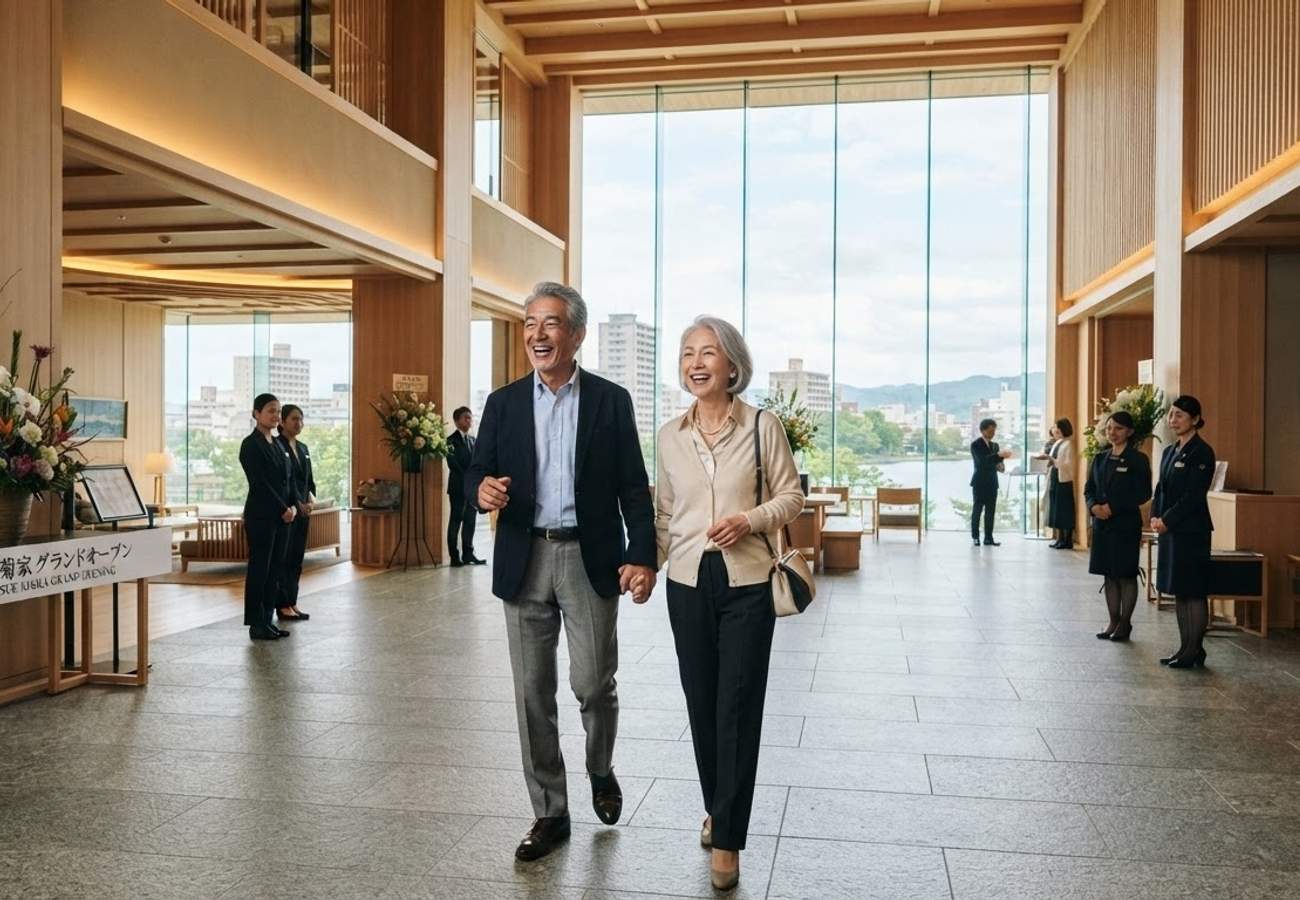
Image generated by AI
[Matsue, Japan] — The Japanese hospitality sector is set for a significant expansion in western Japan with the scheduled opening of the Daiwa Roynet Hotel Matsue Ekimae on August 6, 2026. This launch represents a pivotal move for the Daiwa Roynet Hotels brand, as it establishes its first operational presence in the San’in region.
Located in Shimane Prefecture, the new property is positioned to address the growing demand for high-standard accommodation in Matsue. Industry reports indicate that the facility will serve as a dual-purpose hub, catering to the requirements of corporate travelers while providing a modern base for tourists visiting the city's historic landmarks and natural landscapes.
Strategic Entry Into the San’in Tourism Corridor
The decision to launch the Daiwa Roynet Hotel Matsue Ekimae reflects a shifting trend in Japanese tourism, where interest is migrating from the "Golden Route" of Tokyo, Osaka, and Kyoto toward less-saturated corridors. The San’in region, stretching along the coast of the Sea of Japan, has historically seen less investment in international-standard hotel infrastructure compared to the Pacific coast.
Matsue, the capital of Shimane Prefecture, is currently rebranding itself as a premier cultural destination. By entering this market, Daiwa Roynet is capitalizing on the city's unique draw, which includes the historic Matsue Castle and the scenic vistas of Lake Shinji.
Reports suggest that the hotel's launch is driven by several regional priorities:
- Establishing the first brand footprint for Daiwa Roynet within the San’in territory.
- Capitalizing on Matsue's growth as a cultural and historical tourism center.
- Increasing the overall volume of quality room inventory in western Japan.
- Attracting a diverse mix of domestic visitors and international arrivals.
- Supporting national initiatives to decentralize tourism and revitalize regional economies.
This move is part of a wider effort by the Japanese government and private sectors to alleviate "overtourism" in major metropolitan hubs by distributing visitor traffic more equitably across the archipelago.
Optimized Connectivity via JR Matsue Station
A primary driver of the hotel's projected success is its immediate proximity to JR Matsue Station. As the city's central transport artery, the station provides the necessary infrastructure for guests to transition seamlessly from long-distance rail travel to their accommodations.
Flight and rail data suggest that this location will be highly attractive for multi-city itineraries. Guests can utilize the station to access other key regional destinations, such as Izumo and Yonago, making the hotel an ideal pivot point for exploring the wider Shimane and Tottori prefectures.
The site's proximity to the station offers several logistical advantages:
- Minimal transit time for rail passengers arriving from major Japanese cities.
- Efficient access to local sightseeing hubs, including the Lake Shinji area.
- Reduced reliance on car rentals for business travelers operating within Shimane.
- Alignment with Japan's urban planning strategy of "station-front redevelopment."
By clustering commercial and hospitality services around rail hubs, the development supports a more sustainable, transit-oriented approach to urban growth.
Integration of Business and Wellness Amenities
The Daiwa Roynet Hotel Matsue Ekimae is designed according to a modern business hotel blueprint, emphasizing efficiency without sacrificing guest comfort. The property aims to bridge the gap between budget-friendly corporate lodging and full-service leisure hotels.
To meet the expectations of the 2026 traveler, the hotel is integrating digital connectivity with traditional wellness features. A notable addition is the inclusion of an on-site public bath and sauna, catering to the Japanese tradition of sento and onsen culture, which has become a major draw for international tourists.
The facility will offer the following guest services:
| Feature | Description | Target Audience |
|---|---|---|
| Guest Rooms | Contemporary design focused on ergonomics and efficiency | Business & Leisure |
| Wellness Center | Public bath and sauna facilities | Leisure & Wellness |
| Dining | Breakfast services featuring local Shimane and Japanese cuisine | All Guests |
| Tech Infrastructure | High-speed Wi-Fi and dedicated business workspaces | Corporate Travelers |
| Guest Support | 24-hour reception with multilingual capabilities | International Tourists |
For corporate guests, the hotel is implementing streamlined operational processes, including express check-in systems and optimized workspace layouts, ensuring that the property functions as a productive environment for those on official business.
Economic Implications for Shimane Prefecture
The introduction of a recognized national brand like Daiwa Roynet is expected to have a multiplier effect on the local economy of Matsue. Increased room capacity typically leads to longer average stays, which in turn boosts spending at local restaurants, retail shops, and cultural sites.
Tourism officials in Shimane Prefecture have long sought to increase the visibility of the region. The presence of a standardized, high-quality hotel brand reduces the "perceived risk" for international travelers who may be unfamiliar with the local independent ryokan (traditional inn) system.
The anticipated economic impacts include:
- A measurable increase in the number of available high-end rooms in central Matsue.
- Higher foot traffic for regional attractions such as Matsue Castle.
- Job creation within the local hospitality and service sectors.
- Increased regional visibility through the brand's national marketing channels.
Analysis of Daiwa Roynet’s National Growth Strategy
The Matsue expansion is not an isolated event but a component of a larger corporate strategy to achieve balanced geographic coverage across Japan. While many hotel chains focus exclusively on high-density urban centers, Daiwa Roynet is aggressively targeting secondary cities that show potential for growth in the "slow travel" and "cultural immersion" sectors.
By diversifying its portfolio into the San’in region, the company is hedging against the volatility of the Tokyo and Osaka markets. This approach ensures that the brand remains resilient by tapping into the emerging demand for regional exploration.
The August 6, 2026, opening marks a transition for Matsue, moving from a city with limited branded options to a competitive destination capable of hosting large-scale business events and international tour groups.
The opening of the Matsue Ekimae property signals a new era of accessibility for one of Japan's most historically rich yet under-visited regions.
Related Travel Guides
Disclaimer
This article is for informational and educational purposes only. It does not constitute legal, financial, or professional advice. While we strive to provide accurate and up-to-date information, travel policies, regulations, and conditions change rapidly. Always verify information with official sources before making travel decisions. Nomad Lawyer makes no representations about the accuracy, reliability, completeness, or suitability of the information provided. Readers should consult qualified professionals for advice specific to their circumstances. The views expressed in this article are those of the author and do not necessarily reflect the views of Nomad Lawyer.
Kunal K Choudhary
Co-Founder & Contributor
A passionate traveller and tech enthusiast. Kunal contributes to the vision and growth of Nomad Lawyer, bringing fresh perspectives and driving the community forward.
Learn more about our team →