
Beyond the Beach: Insider Guide to Traveling Cuba in Autumn Across Havana, Viñales, Trinidad, and Cienfuegos

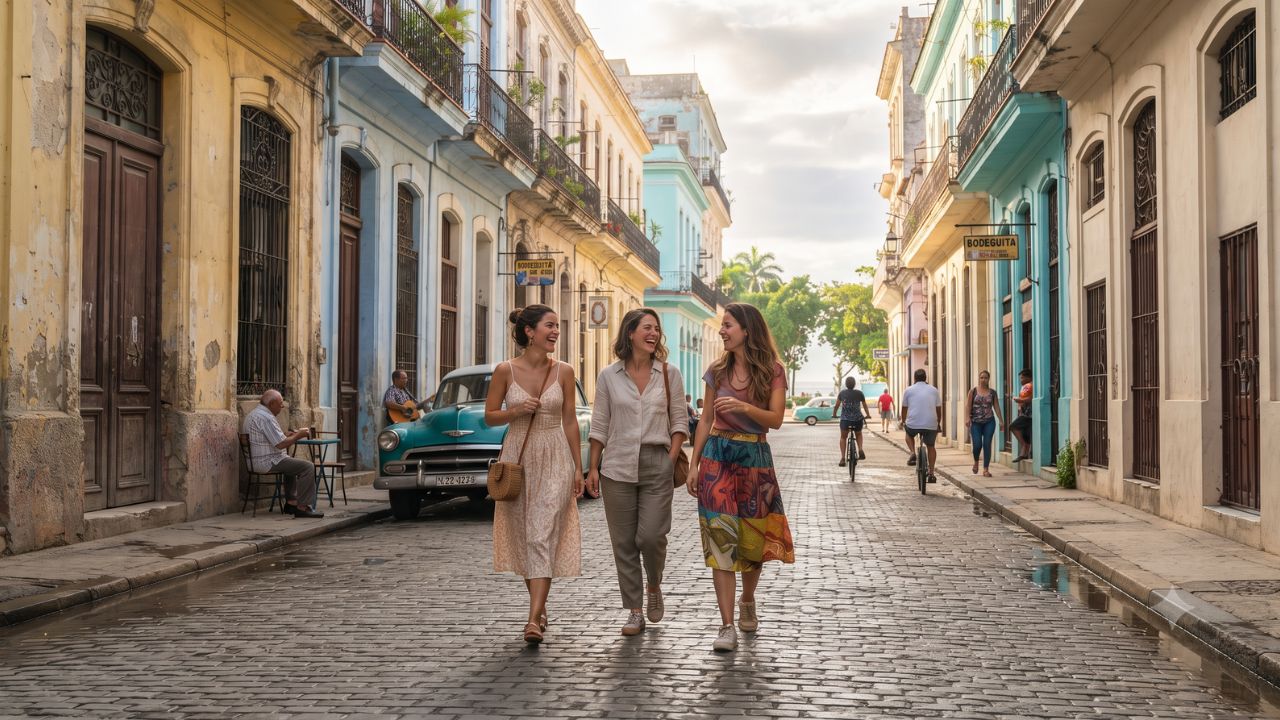
While over 80% of international tourists flock strictly to all-inclusive seaside enclaves, Cuba during the autumn months offers its richest cultural depth far inland among colonial plazas, tobacco fields, and heritage bays. Autumn in the Caribbean island is a nuanced shoulder season running through September, October, and November. While the Atlantic hurricane season overlaps with these months, travelers who plan around weather patterns and infrastructure realities uncover a vibrant world of living history, acoustic son music, and agricultural tradition spanning five distinct regions: Havana, Viñales, Trinidad, Cienfuegos, and the Hicacos Peninsula of Varadero.
Navigating Cuba in late 2026 requires realistic expectations, practical ground knowledge, and strategic flexibility. Power grid fluctuations, localized fuel supply challenges, and distinct currency systems make informed preparation essential. Yet for those who look past resort walls, traveling through the island's authentic towns and rural valleys delivers an unforgettable journey into Caribbean heritage.
The Autumn Route: Mapping Cuba's Distinct Regions
Understanding the geography of western and central Cuba allows travelers to assemble a balanced multi-stop itinerary. Rather than attempting to cover the entire 1,200-kilometer length of the island on a single trip, focusing on the western provinces provides manageable transit distances and diverse topographies.
Official updates from Cuba Travel highlight that autumn visitor patterns divide into two distinct phases. September and October experience higher rainfall and tropical humidity, making them prime months for city exploration, museum visits, and relaxed indoor cultural spaces. November signals the transition into the drier, cooler winter season, offering calmer waters and pleasant hiking conditions.
Havana: Architectural Grandeur and Street Rhythms
Havana serves as the essential gateway and urban focal point of any Cuban journey. The capital city presents an unmatched concentration of neoclassical, baroque, and art deco architecture set against the Atlantic coastline.
Walking through Old Havana (Habana Vieja)—designated as a preserved historical district by UNESCO—reveals four primary colonial squares: Plaza de la Catedral, Plaza de Armas, Plaza de San Francisco, and Plaza Vieja. Each square maintains a distinct atmosphere, connected by narrow cobblestone alleys where live acoustic bands play traditional trova and son cubano from doorway cafes.
Autumn mornings in Havana are ideal for wandering along the five-mile Malecón seawall or touring historic fortifications like the Castillo de la Real Fuerza before afternoon cloud cover rolls in. Because Havana possesses the most developed hospitality infrastructure, private guesthouses (casas particulares), and international flight connections on the island, it provides a stable operational anchor for travelers adjusting to local conditions.
Viñales: Mogotes and Traditional Tobacco Farms
A three-hour drive west from Havana leads into Pinar del Río province and the dramatic limestone valley of Viñales. This agricultural heartland is renowned for its mogotes—sheer, dome-shaped karst hills rising abruptly from emerald fields of red soil.
Viñales is celebrated as an exceptional cultural agricultural territory where traditional ox-plow farming methods and centuries-old tobacco curing techniques remain fully active. Autumn rains breathe vivid life into the foliage, turning the valley into a paradise for photographers and nature enthusiasts. Visitors can tour family-run tobacco drying barns (casas de tabaco), explore subterranean river caves like Cueva del Indio, or take guided horseback treks through the rural hamlets of the Palmarito valley.
Trinidad and the Valley of the Sugar Mills
Located along the central southern coast in Sancti Spíritus province, Trinidad stands frozen in the nineteenth century. Founded in 1514, its pastel-washed colonial mansions, wrought-iron grilles, and uneven river-stone streets reflect the wealth generated during the historical sugar boom.
Trinidad offers a dual advantage for autumn travelers: cultural preservation alongside coastal leisure. When skies are clear, the white sands and coral reefs of Playa Ancón are just a fifteen-minute taxi ride from the historic center. Nearby, the Valley of the Sugar Mills (Valle de los Ingenios) features historic plantation estates, including the 147-foot Manaca Iznaga tower, which offers sweeping panoramas across the Escambray mountain foothills.
Cienfuegos: Neoclassical Bayfront Elegance
Often titled the "Pearl of the South," Cienfuegos was settled by French immigrants in 1819, giving it a distinctive geometric street grid and refined European architectural character that contrasts with the Spanish colonial layouts of Trinidad and Havana.
Positioned around the expansive Jagua Bay, Cienfuegos features wide pedestrian boulevards, neoclassical palaces like the Palacio de Valle, and the historic Tomás Terry Theatre. Its central location makes it a relaxing transit stop between Havana and Trinidad, providing access to sailing excursions on the bay and scenic hikes to the El Nicho waterfalls in the surrounding highlands.
Varadero: Coastal Respite on the Hicacos Peninsula
Positioned on the narrow Hicacos Peninsula in Matanzas province, Varadero provides twenty kilometers of uninterrupted white sand beaches and turquoise waters. While it functions primarily as a resort center, its proximity to Havana (roughly two hours by road) makes it an easy concluding stop for travelers seeking ocean relaxation after days of walking historic towns. November delivers milder winds and calmer sea conditions, making it the most favorable autumn month for swimming, diving, and coastal excursions.
Autumn Travel Comparison Across Key Cuban Destinations
| Destination | Primary Appeal | Core Highlights | Autumn Weather & Logistics Note |
|---|---|---|---|
| Havana | Urban heritage, architecture & music | Habana Vieja plazas, Malecón, museums, art spaces | September & October bring afternoon rain; ideal for morning walks & indoor culture |
| Viñales | Karst scenery & rural traditions | Mogote hiking, tobacco farms, horse trails, caves | Lush green landscapes; trails can get muddy; use licensed local guides |
| Trinidad | 18th-century colonial charm & coast | Stone streets, Plaza Mayor, Playa Ancón, sugar mills | Combine old-town morning walks with afternoon beach outings during dry spells |
| Cienfuegos | French-influenced neoclassical elegance | Jagua Bay waterfront, Palacio de Valle, city theater | Relaxing stopover; check mountain road conditions before visiting El Nicho falls |
| Varadero | Expansive Caribbean beaches & watersports | 20 km pale sand beach, scuba diving, sailing | November offers calmer seas and lower humidity than early autumn |
Visitor Insider Tips
- Currency and Cash Management: Cuba operates on the Cuban Peso (CUP), but hard currencies such as Euros and US Dollars are widely utilized in private establishments (paladares and casas particulares). Foreign credit and debit cards issued by US banks do not function on the island. Always carry sufficient cash in pristine, untorn banknotes for your entire length of stay.
- Choosing Accommodations: Stay in licensed casas particulares (private homestays) rather than state-run mega-hotels. Staying with local families guarantees home-cooked breakfasts, personalized travel advice, and backup generator access during municipal power outages.
- Ground Transportation Strategy: Reserve intercity colectivos (shared private taxis) or modern private transfers through your host in advance. Avoid depending entirely on public intercity buses during autumn, as fuel availability can create irregular departure schedules.
- Health and Packing Essentials: Pack a comprehensive personal medical kit containing basic pain relievers, digestive medication, mosquito repellent, water purification tablets, and sun protection. Many common over-the-counter pharmaceuticals are difficult to purchase locally.
- Connectivity and Digital Navigation: Download offline maps (such as Maps.me or Google Maps offline areas) and offline translation tools prior to arrival. Purchase a local prepaid tourist SIM card (Turista SIM) via the state telecommunications provider ETECSA at José Martí International Airport for daily internet access.
Cultural and Environmental Context
Responsible tourism plays a transformative role in sustaining independent livelihoods across Cuba. By dining at private family-run restaurants (paladares), hiring certified local hiking guides in national parks, and purchasing handicrafts directly from artisans in Trinidad and Havana, travelers inject financial support directly into community households.
Environmental stewardship is equally critical in fragile ecosystems like the Viñales Valley and the coastal reefs around Playa Ancón. Farmers in Viñales practice organic and low-impact agriculture using animal traction, preserving the delicate topsoil of the karst valleys. Visitors are urged to respect designated trail boundaries, conserve fresh water in regions facing supply constraints, and minimize single-use plastics by carrying reusable insulated bottles.
FAQ: Visiting Cuba in Autumn 2026
What is the weather like in Cuba during autumn?
September and October bring warm temperatures (28°C to 32°C) with regular afternoon rain showers and tropical storm potential. November brings lower humidity, reduced rainfall, and cooler evening breezes across the island.
Can international travelers pay with credit cards in Cuba?
Credit card usage is extremely restricted. Cards issued by or affiliated with United States financial institutions will not work. Carry ample physical cash in Euros, US Dollars, or Canadian Dollars to exchange locally.
How do travelers travel between Havana, Viñales, and Trinidad?
Private taxis, classic car transfers, and shared colectivo vehicles arranged through casa particular hosts provide the most reliable transit between western and central towns during autumn.
Is Cuba safe for solo and independent travelers?
Cuba maintains exceptionally low rates of violent crime, making it safe for solo travelers. Standard street awareness against overcharging, unregistered street guides (jineteros), and minor pickpocketing in busy squares is recommended.
Slow down to the natural rhythm of the island, embrace the unexpected detour, and let Cuba's living history reveal itself beyond the resort boundaries.
Related Travel Guides
Disclaimer
This article is for informational and educational purposes only. It does not constitute legal, financial, or professional advice. While we strive to provide accurate and up-to-date information, travel policies, regulations, and conditions change rapidly. Always verify information with official sources before making travel decisions. Nomad Lawyer makes no representations about the accuracy, reliability, completeness, or suitability of the information provided. Readers should consult qualified professionals for advice specific to their circumstances. The views expressed in this article are those of the author and do not necessarily reflect the views of Nomad Lawyer.
Raushan Kumar
Founder & Lead Developer
Full-stack developer with 11+ years of experience and a passionate traveller. Raushan built Nomad Lawyer from the ground up with a vision to create the best travel and law experience on the web.
Learn more about our team →