
Cruise Ship Hantavirus Alert: MV Hondius Passengers Trapped as Fatalities Rise Off Cape Verde
The suspected Hantavirus outbreak aboard the MV Hondius has escalated, with 150 passengers currently trapped on board off the coast of Cape Verde as authorities investigate three confirmed fatalities and multiple suspected infections.

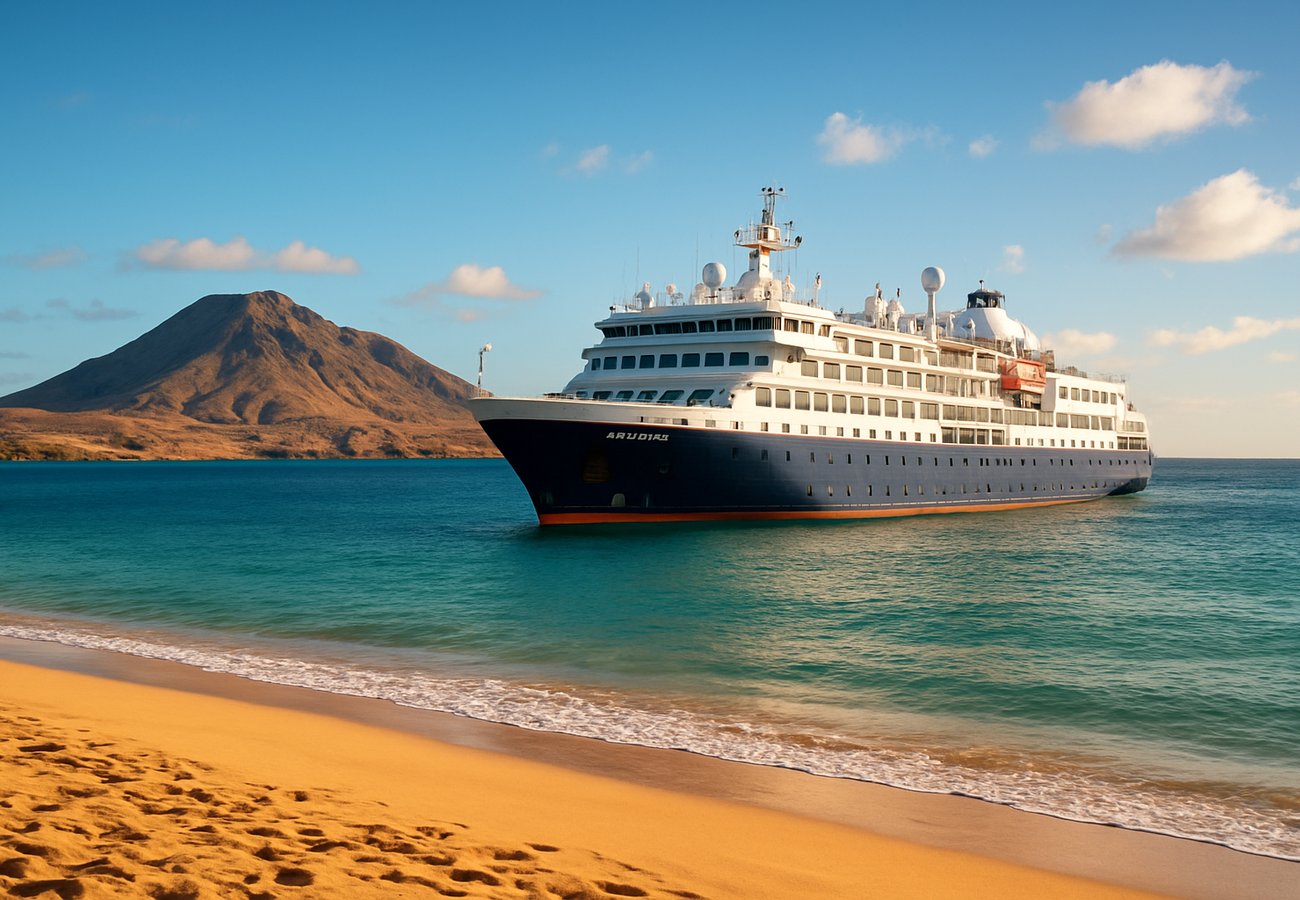
Image generated by AI
Quick Summary
- A severe medical crisis is unfolding aboard the MV Hondius, a Dutch-flagged luxury expedition vessel currently anchored off the coast of Cape Verde. Three passengers have died from a suspected Hantavirus outbreak.
- Approximately 150 passengers—primarily British, American, and Spanish nationals—remain trapped on board, currently confined to their cabins as a precautionary measure to prevent further transmission.
- The World Health Organization (WHO) and the Dutch National Institute for Public Health (RIVM) are coordinating a response, following a confirmed positive test for Hantavirus in one of the deceased.
- The ship has been denied docking in Praia as local health authorities work to evacuate critically ill individuals to regional specialized facilities, including hospitals in Johannesburg, South Africa.
The MV Hondius was nearing the end of a long-range expedition that included stops in the Falkland Islands, South Georgia, and Ascension Island. Investigators believe the initial rodent contamination—the primary vector for Hantavirus—may have occurred during an earlier stop in South America. While human-to-human transmission of this respiratory virus is rare, the high fatality rate and the isolated nature of the vessel have triggered a global maritime health alert.
MV Hondius Outbreak: Current Medical Status
The following table summarizes the known casualty and infection data as of May 5, 2026.
| Category | Status / Count | Details |
|---|---|---|
| Confirmed Fatalities | 3 | Including a 70-year-old male and 69-year-old female |
| Confirmed Hantavirus | 1 | Verified by RIVM laboratories |
| Suspected Cases | 5 | Passengers exhibiting acute respiratory symptoms |
| Current Onboard Population | ~150 | Mostly British, American, and Spanish tourists |
| Vessel Location | Off Cape Verde | Denied entry to Praia harbor |
Understanding Hantavirus: Risks for Travelers
Hantavirus is a potentially fatal viral disease that primarily affects the respiratory system. For travelers on cruise ships or in remote regions, understanding the transmission and symptoms is critical.
- Transmission Path: The virus is primarily spread through contact with rodent droppings, urine, or saliva. It is typically inhaled when these particles become aerosolized in confined spaces like storage lockers or air ducts.
- Early Symptoms: Often resemble the flu, including fever, muscle aches, and fatigue.
- Severe Progression: Can lead to Acute Respiratory Distress Syndrome (ARDS), characterized by lungs filling with fluid and severe shortness of breath.
- Human-to-Human Transmission: While extremely rare (documented only in specific South American strains), authorities are treating the MV Hondius as a high-risk environment due to the close quarters of the vessel.
Logistical Impact and Evacuation Efforts
The medical emergency has paralyzed the ship’s operations and impacted regional travel security.
- Cabin Confinement: All 150 passengers are currently under strict isolation protocols, with meals and medical supplies delivered to cabin doors by crew members in protective gear.
- Medical Repatriation: Two critically ill passengers and two crew members have been prioritized for evacuation. Medics have utilized specialized air-ambulance services to transport the most severe cases to South Africa for intensive care.
- Cape Verde Refusal: Local authorities in Praia have maintained a "no-docking" policy to protect the local population, requiring all medical transfers to be conducted via maritime tender or helicopter.
Guidance for International Cruise Travelers
In light of the MV Hondius outbreak, international health organizations have issued several recommendations for those currently on or planning a cruise:
- Review Travel Insurance: Ensure your policy specifically covers medical evacuation and "interruption due to communicable disease." Many standard policies have exclusions for certain viral outbreaks.
- Health Screenings: If you have recently traveled through South America or the Falklands, monitor your health for 14 days and report any respiratory distress to medical authorities immediately.
- Hygiene Protocols: Prioritize handwashing and avoid accessing any "off-limits" storage or machinery areas of the ship where rodent activity is more likely.
- Stay Informed: Follow updates from the World Health Organization (WHO) and the CDC regarding maritime health advisories.
FAQ: Cruise Ship Hantavirus Crisis
Was the Hantavirus spread by the ship's food? There is currently no evidence of food-borne transmission. The leading theory is environmental contamination (rodent waste) from a port stop in South America.
Can passengers leave the MV Hondius? No. Until Cape Verdean and international health authorities provide clearance, all passengers remain under quarantine off the coast.
What should I do if I have a cruise booked in the Atlantic region? Contact your cruise operator to verify the vessel's health and safety protocols. Check for any updated "Fit to Travel" requirements or changes in port rotations.
Related Cruise News
Disclaimer
This article is for informational and educational purposes only. It does not constitute legal, financial, or professional advice. While we strive to provide accurate and up-to-date information, travel policies, regulations, and conditions change rapidly. Always verify information with official sources before making travel decisions. Nomad Lawyer makes no representations about the accuracy, reliability, completeness, or suitability of the information provided. Readers should consult qualified professionals for advice specific to their circumstances. The views expressed in this article are those of the author and do not necessarily reflect the views of Nomad Lawyer.
Kunal K Choudhary
Co-Founder & Contributor
A passionate traveller and tech enthusiast. Kunal contributes to the vision and growth of Nomad Lawyer, bringing fresh perspectives and driving the community forward.
Learn more about our team →