
Cruise outbreak affects 12 aboard National Geographic Sea Bird in Alaska
A cruise outbreak affects 12 people aboard the National Geographic Sea Bird during an Alaska Inside Passage voyage in 2026. Nine passengers and three crew members developed acute gastroenteritis symptoms, with the cause remaining under CDC investigation.

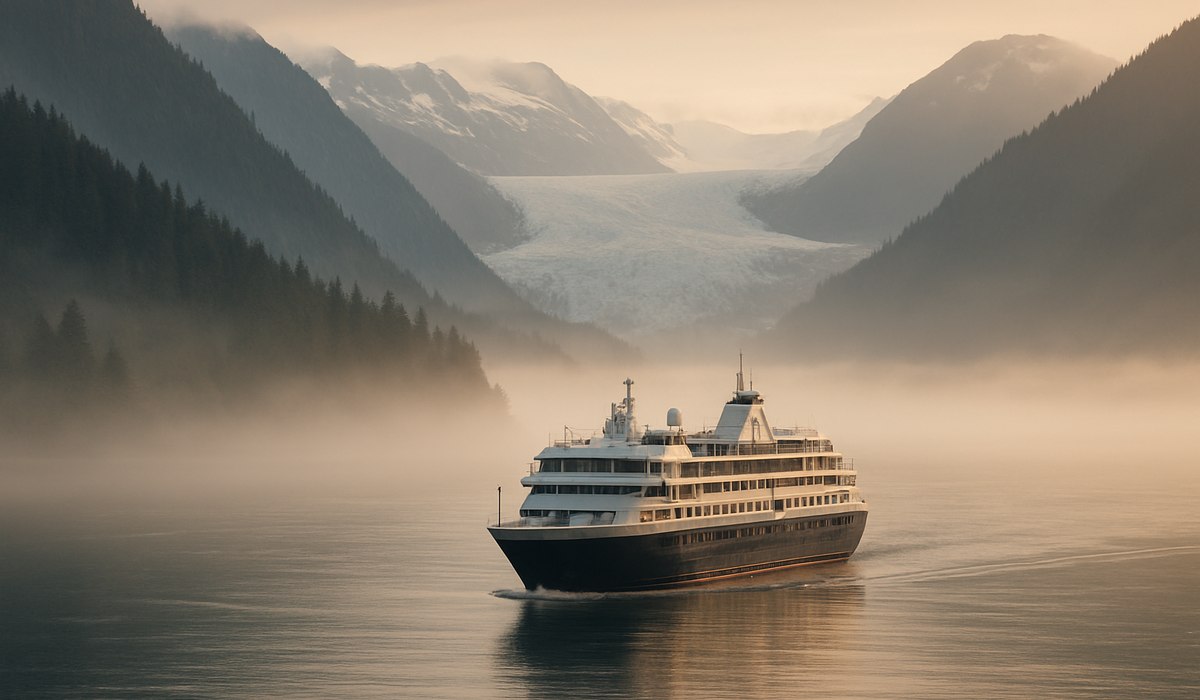
Image generated by AI
Gastrointestinal Illness Outbreak Strikes National Geographic Sea Bird in Alaska Waters
The National Geographic Sea Bird, a US-flagged expedition vessel operated by Lindblad Expeditions, experienced a significant health incident during a recent Alaska Inside Passage sailing. A cruise outbreak affects 12 aboard the 90-person capacity ship—nine passengers and three crew members—who developed acute gastroenteritis symptoms between May 26 and May 31, 2026. The Centers for Disease Control and Prevention's Vessel Sanitation Program documented the incident, though the underlying cause remains undetermined due to the absence of laboratory samples from affected individuals.
Outbreak Details: 12 Cases Reported Aboard National Geographic Sea Bird
The gastrointestinal illness outbreak was officially reported on May 28, just two days into the five-night Alaska expedition. Approximately 13% of the passenger complement developed symptoms consistent with acute gastroenteritis, defined by health officials as three or more loose stools within 24 hours or vomiting paired with additional symptoms including diarrhea, abdominal cramps, headache, muscle aches, or fever.
The National Geographic Sea Bird carries a maximum of 66 passengers and 24 crew members, making this cruise outbreak affects a notable percentage of the total onboard population. The vessel's itinerary included scenic stops at Sitka and Haines, visits to the Inian Islands, and glacier viewing days—all quintessential Alaska expedition experiences now overshadowed by the health emergency.
Lindblad Expeditions responded swiftly once illness reports surfaced. Crew members intensified cleaning and disinfection protocols throughout common areas, dining facilities, and guest quarters. Affected passengers and staff members were isolated in their cabins to prevent further transmission among the remaining healthy travelers.
Unknown Cause Despite CDC Investigation
The cruise outbreak affects 12 people, yet investigators cannot definitively identify the causative agent. The CDC notes that affected passengers and crew members declined to provide biological samples for laboratory analysis, eliminating the possibility of determining whether norovirus, bacteria, or another pathogen triggered the outbreak.
Norovirus represents the most common culprit in cruise ship gastrointestinal outbreaks, yet this incident's etiology remains officially classified as unknown. This ambiguity creates challenges for public health analysis and prevents comparative epidemiological assessment with other 2026 outbreaks affecting cruise vessels nationwide.
The National Geographic Sea Bird continues sailing subsequent Alaska itineraries without additional reported cases. The vessel was scheduled to arrive in Juneau on June 4, 2026, completing recovery operations after the incident.
US-Flagged Vessel Advantages and Operating Context
The National Geographic Sea Bird operates under the United States flag, distinguishing it from the overwhelming majority of cruise ships serving Alaska markets. This regulatory designation permits the vessel to operate entirely within Alaska waters without mandatory Canadian port calls—a significant operational advantage unavailable to larger cruise ships operated by Royal Caribbean, Princess Cruises, Norwegian Cruise Line, Holland America Line, and Celebrity Cruises.
Small expedition vessels like the National Geographic Sea Bird represent a specialized niche within Alaska's cruise industry. These intimate ships navigate narrow passages and access remote locations inaccessible to megaships, offering naturalist-led programs and specialized wildlife viewing opportunities. The US-flagged status ensures compliance with domestic maritime regulations and provides additional operational flexibility for Alaska-focused itineraries.
The 2026 Alaska cruise season represents one of the busiest on record, with dozens of vessels transporting hundreds of thousands of passengers through Southeast Alaska between May and September. This unprecedented traffic volume increases baseline disease transmission risks across the entire regional cruise ecosystem.
Response Measures and Passenger Impact
Lindblad Expeditions implemented immediate containment protocols following the cruise outbreak affects identification. Isolation of symptomatic individuals, enhanced sanitation procedures, and dedicated crew communication maintained operational standards while prioritizing remaining passenger safety and comfort.
Health officials emphasize that frequent handwashing with soap and water remains the most effective preventive measure against gastrointestinal pathogens. Alcohol-based hand sanitizers provide supplementary protection but demonstrate inferior efficacy specifically against norovirus compared to traditional hand hygiene methods.
Early symptom reporting to shipboard medical facilities enables rapid response implementation and reduces outbreak escalation. Passengers experiencing loose stools, vomiting, abdominal cramping, or accompanying systemic symptoms should immediately notify the ship's medical center for appropriate isolation and care.
The incident marks the fifth documented US cruise outbreak during 2026. Regent Seven Seas and Oceania Cruises each experienced norovirus outbreaks, while Princess Cruises reported two separate E. coli incidents across different vessels—establishing 2026 as a particularly challenging year for cruise health emergencies.
Cruise Itinerary at a Glance
| Itinerary Element | Details |
|---|---|
| Vessel Name | National Geographic Sea Bird |
| Operator | Lindblad Expeditions |
| Vessel Type | Small Expedition Cruiser |
| Capacity | 66 Passengers, 24 Crew Members |
| Sailing Duration | 5 Nights |
| Cruise Region | Alaska Inside Passage |
| Primary Ports | Sitka, Haines, Inian Islands |
| Special Features | Glacier viewing, Naturalist-led programs |
| Sailing Dates (Affected Voyage) | May 26–31, 2026 |
| Flag Registry | United States |
| Notable Advantage | All-Alaska itineraries without Canadian calls |
National Geographic Sea Bird Vessel Features
The National Geographic Sea Bird represents the foundational vessel for Lindblad Expeditions' expedition cruise operations. This small-ship platform delivers intimate passenger experiences impossible aboard megaships, featuring dedicated naturalist guides, flexible itinerary adjustments, and access to remote Southeast Alaska locations.
The vessel's small passenger complement—significantly smaller than industry megaships carrying 5,000+ guests—fosters community among travelers while minimizing environmental impact. Onboard facilities include dining venues featuring regional cuisine, naturalist briefing rooms, and observation areas designed for wildlife photography and glacial viewing.
The current season represents the final operational year for the National Geographic Sea Bird, making 2026 a historically significant period for the vessel that helped establish small-ship expedition cruising as a premium Alaska market segment.
What This Means for Travelers
The cruise outbreak affects travelers planning Alaska voyages in several important ways. Here are actionable considerations for prospective passengers:
-
Research vessel sanitation standards before booking. Request specific cleaning protocols from operators and review recent health inspection records available through the CDC Vessel Sanitation Program website.
-
Prioritize handwashing discipline during your cruise. Pack travel-sized soap bars and maintain rigorous hand hygiene before meals and after restroom use—the most effective outbreak prevention strategy.
-
Monitor personal health closely. Report any gastrointestinal symptoms immediately to the ship's medical center rather than waiting for symptoms to resolve independently, enabling faster containment and proper care.
-
Verify outbreak history for specific vessels. Check the CDC Vessel Sanitation Program database and cruise line websites for recent health incidents before finalizing your booking.
-
Choose reputable operators with documented health management protocols. Lindblad Expeditions' swift response demonstrates professional crisis management, while smaller or less transparent operators may lack robust emergency procedures.
-
Consider travel insurance with medical coverage provisions. Cruise interruption or medical emergency insurance protects against financial losses if illness forces early voyage termination.
Frequently Asked Questions
What causes gastrointestinal illness outbreaks on cruise ships?
Norovirus represents the most common cause, though bacteria including E. coli and other pathogens also trigger outbreaks. Close quarters, shared dining facilities
Disclaimer
This article is for informational and educational purposes only. It does not constitute legal, financial, or professional advice. While we strive to provide accurate and up-to-date information, travel policies, regulations, and conditions change rapidly. Always verify information with official sources before making travel decisions. Nomad Lawyer makes no representations about the accuracy, reliability, completeness, or suitability of the information provided. Readers should consult qualified professionals for advice specific to their circumstances. The views expressed in this article are those of the author and do not necessarily reflect the views of Nomad Lawyer.
Kunal K Choudhary
Co-Founder & Contributor
A passionate traveller and tech enthusiast. Kunal contributes to the vision and growth of Nomad Lawyer, bringing fresh perspectives and driving the community forward.
Learn more about our team →