
Cruise Line Risk: Celestyal Abandons Arabian Gulf Season Amid Geopolitical Crisis
Celestyal Cruises cancels 85 Arabian Gulf sailings for 2026/2027 winter season due to cruise line risk from US-Iran tensions and Strait of Hormuz closure, pivoting to Mediterranean expansion instead.

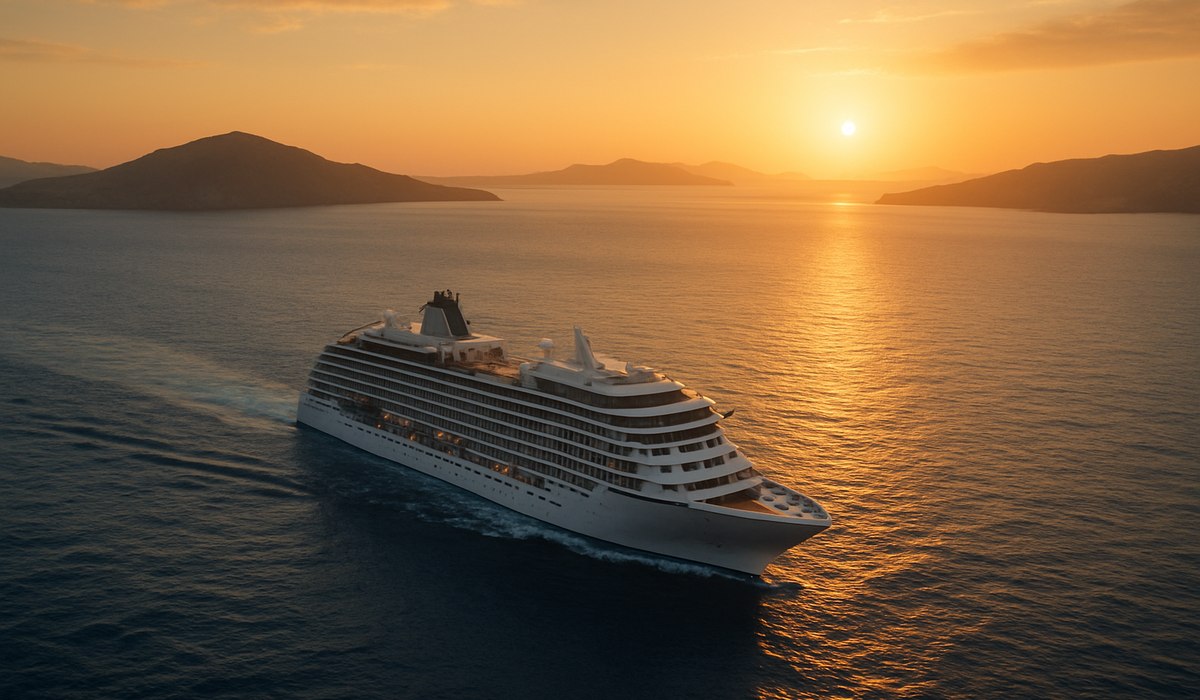
Image generated by AI
Celestyal Cruises Withdraws from Arabian Gulf Over Geopolitical Instability
Celestyal Cruises has announced the complete cancellation of all Arabian Gulf deployments for the 2026/2027 winter season, eliminating 85 total sailings across two vessels. The Greek-based cruise operator made this decision following escalating US-Iran tensions and the effective closure of the Strait of Hormuz. The move represents a significant shift in cruise line risk assessment as operators reassess Middle Eastern operations amid ongoing regional instability.
The decision affects two ships: Celestyal Discovery (51 sailings) and Celestyal Journey (34 sailings), both originally scheduled to operate from Abu Dhabi, Dubai, and Jeddah ports between November 2026 and March 2027. This represents the most aggressive pullback by any cruise operator from Arabian Gulf routes since the region's security situation deteriorated earlier this year.
Why Celestyal Cruises Is Pulling Out of the Arabian Gulf
The cruise line risk calculation shifted dramatically after both Celestyal vessels became trapped in the Persian Gulf for several months. Celestyal Discovery remained stuck from February through April 17, 2026, while Celestyal Journey departed one day later on April 18. Unlike larger competitors with geographically diverse fleets, Celestyal's entire two-ship operation was immobilized simultaneously.
The Strait of Hormuz remains functionally closed to commercial shipping operations. While diplomatic discussions continue among relevant governments about reopening the critical waterway, no concrete timeline has emerged. Celestyal's leadership clearly determined that cruise line risk in the region outweighs operational benefits, particularly given the carrier's limited fleet size and inability to absorb prolonged disruptions.
Industry analysts note that smaller cruise operators face steeper consequences from geopolitical disruptions than larger lines. MSC and TUI Cruises maintained operations across other global regions despite Arabian Gulf challenges, but Celestyal lacked this diversification advantage. The company prioritized passenger safety and operational stability over Arabian Gulf revenue.
What Happens to Booked Passengers
Celestyal is contacting all affected passengers through the cruise line or their original travel providers with two options: full refund or future cruise credit toward alternative sailings. The company has maintained transparent communication about the cancellations and reboking process.
For passengers seeking immediate alternatives, Celestyal has introduced ten new Mediterranean sailings to absorb some demand. Celestyal Discovery adds six Iconic Greek Islands itineraries (3-4 nights) in November 2026 and March 2027, featuring ports including Athens, Mykonos, Kusadasi, Patmos, Rhodes, and Santorini.
Celestyal Journey contributes four Mediterranean sailings in March 2027: two Heavenly Greece, Italy, and Croatia itineraries (7 nights) and two Idyllic Greece sailings (7 nights). The seven-night journeys visit expanded port ranges including Dubrovnik, Kotor, Bari, Corfu, and Katakolon. Additional Western Mediterranean itineraries are expected soon.
Mediterranean Expansion Plans
The Arabian Gulf withdrawal has catalyzed Celestyal's strategic pivot toward Mediterranean markets, a region offering stable geopolitical conditions and established cruise tourism infrastructure. This expansion aligns with broader industry trends favoring European cruise destinations.
The new Mediterranean deployment represents a calculated decision to reposition capacity rather than absorb losses. Celestyal's Discovery and Journey vessels, both mid-sized ships, operate efficiently on Mediterranean routes where demand remains strong. Greek island itineraries particularly appeal to Celestyal's core passenger demographic.
The cruise line risk mitigation extends beyond route selection. Mediterranean operations allow Celestyal to leverage established port relationships, local expertise, and proven operational frameworks. This geographic shift reduces exposure to geopolitical volatility while maintaining revenue targets through alternative markets.
Celestyal plans additional route announcements throughout the 2026 season, suggesting comprehensive repositioning of winter deployment strategies. The company is signaling confidence in Mediterranean markets while maintaining flexibility around Arabian Gulf operations pending improved security conditions.
Industry Implications for Cruise Travel
Celestyal's decision reflects broader cruise line risk reassessment across the shipping industry. Smaller operators face disproportionate consequences from regional disruptions, potentially reshaping competitive dynamics. Larger cruise corporations may gain competitive advantage through fleet diversification and geographic redundancy.
The Arabian Gulf situation has become a bellwether for how cruise operators evaluate geopolitical risk. Unlike the pre-2026 period when Gulf deployments were relatively routine, carriers now require higher confidence thresholds before committing capacity to the region. This represents a structural shift in how cruise lines assess Middle Eastern operations.
Insurance considerations may also influence future deployment decisions. The cost of coverage for Arabian Gulf operations, combined with potential disruption expenses, has likely made Mediterranean alternatives more economically attractive. This economic calculus extends across the industry, not just Celestyal.
For travelers, this situation underscores the importance of monitoring geopolitical developments and monitoring official cruise line communications. Early cancellations provide greater flexibility than last-minute disruptions. The cruise line risk environment remains elevated for Arabian Gulf itineraries through at least 2027.
Key Data Table: Celestyal Cruises Arabian Gulf Cancellation Impact
| Metric | Details |
|---|---|
| Total Sailings Cancelled | 85 (51 Celestyal Discovery + 34 Celestyal Journey) |
| Season Duration | November 2026 – March 2027 |
| Departure Ports Affected | Abu Dhabi, Dubai, Jeddah |
| Discovery Vessel Stuck Duration | February 17 – April 17, 2026 (61 days) |
| Journey Vessel Stuck Duration | February 17 – April 18, 2026 (62 days) |
| New Mediterranean Sailings Added | 10 total (6 Discovery + 4 Journey) |
| Discovery Iconic Islands Duration | 3-4 night itineraries |
| Journey Greece/Croatia Duration | 7-night itineraries |
| Passenger Compensation Options | Full refund OR future cruise credit |
| Strait of Hormuz Status | Functionally closed; no reopening timeline confirmed |
What This Means for Travelers
The Celestyal cancellations carry important implications for cruise passengers and prospective bookers:
-
Monitor your bookings: If you've booked any Arabian Gulf cruise for winter 2026/2027, contact Celestyal directly or your travel agent immediately to confirm status and explore refund or credit options before deadlines expire.
-
Consider Mediterranean alternatives: Mediterranean cruises offer similar quality experiences with substantially lower cruise line risk. Celestyal's new Greek island and Croatia itineraries provide comparable cultural immersion without geopolitical uncertainty.
-
Build flexibility into plans: When booking cruises in regions experiencing geopolitical volatility, prioritize flexible cancellation terms and trip insurance. Disruption costs can exceed initial savings from discounted fares.
-
Expect higher insurance costs: Arabian Gulf cruises will likely carry elevated insurance premiums reflecting increased geopolitical risk. Budget accordingly if considering future Gulf deployments.
-
Watch for industry-wide implications: Other cruise lines may announce similar Arabian Gulf pullbacks. Early decisions provide better alternatives than last-minute cancellations affecting multiple carriers simultaneously.
FAQ: Cruise Line Risk and Arabian Gulf Operations
Q: Will cruise lines return to Arabian Gulf operations in 2027?
A: Returns depend entirely on Strait of Hormuz reopening and sustained geopolitical stability. While diplomatic discussions continue, no confirmed timeline exists. Most cruise operators will likely await concrete security improvements before redeploying capacity to the region.
Q: Can I get a full refund if I booked a Celestyal Arabian Gulf cruise?
A:
Disclaimer
This article is for informational and educational purposes only. It does not constitute legal, financial, or professional advice. While we strive to provide accurate and up-to-date information, travel policies, regulations, and conditions change rapidly. Always verify information with official sources before making travel decisions. Nomad Lawyer makes no representations about the accuracy, reliability, completeness, or suitability of the information provided. Readers should consult qualified professionals for advice specific to their circumstances. The views expressed in this article are those of the author and do not necessarily reflect the views of Nomad Lawyer.
Kunal K Choudhary
Co-Founder & Contributor
A passionate traveller and tech enthusiast. Kunal contributes to the vision and growth of Nomad Lawyer, bringing fresh perspectives and driving the community forward.
Learn more about our team →