
Cruise Grand Turk: Wild Donkeys and Shore Excursion Safety in 2026
Cruise Grand Turk passengers encounter unexpected wildlife during shore excursions. Wild donkeys roaming the island pose safety considerations travelers should understand before exploring in 2026.

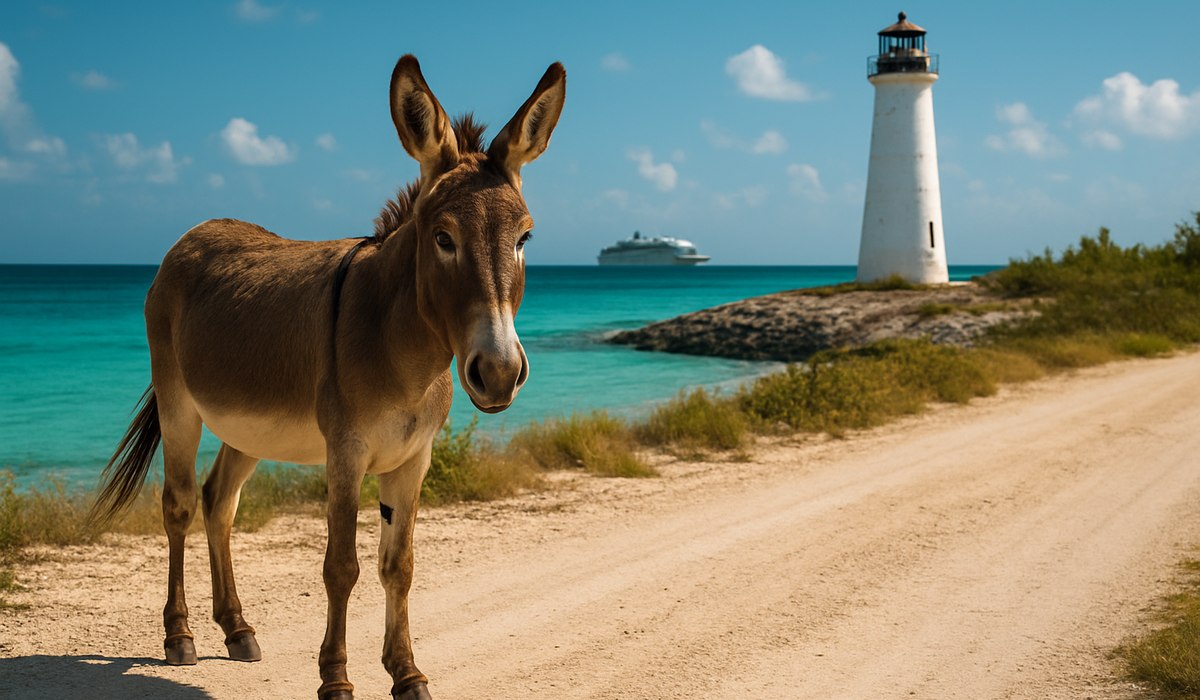
Image generated by AI
Cruise Grand Turk Encounters: What Awaits Your Shore Excursion
Arriving at Grand Turk on a Caribbean cruise often surprises passengers in unexpected ways. While most travelers anticipate pristine beaches and crystalline waters, many find themselves face-to-face with the island's most famous residents: wild donkeys. These feral animals roam freely across Grand Turk's terrain, and their presence demands awareness before you disembark for popular shore excursions. Understanding their behavior and implementing safety practices ensures your cruise stop remains memorable for all the right reasons.
Why Wild Donkeys Roam Grand Turk
Grand Turk's wild donkey population traces back centuries to colonial times when settlers introduced domestic donkeys for agricultural and transportation purposes. Over generations, many animals escaped or were abandoned, establishing feral herds that now number in the hundreds across the island. These descendants have adapted to the arid Caribbean climate and rocky terrain, creating a distinctive ecosystem that defines modern Grand Turk.
The donkeys congregate in areas with limited water sources and vegetation, making them particularly visible along popular tourist routes, including the path to Grand Turk Lighthouse and near shore excursion gathering points. Tourism officials have documented increased sightings as cruise traffic to Grand Turk intensifies annually. Unlike domesticated animals, these creatures exhibit unpredictable behavior shaped by survival instincts rather than human interaction. This distinction matters significantly when planning your cruise Grand Turk shore activities.
Safety Risks and Behavior Warnings for Cruise Passengers
While wild donkeys typically avoid aggressive confrontation, several behavioral patterns warrant caution. These animals may approach passengers offering food, interpreting human presence as a feeding opportunity. Feeding wild donkeys, though tempting given their appealing appearance, establishes problematic precedent and encourages dependent behavior that endangers both animals and future visitors.
Donkeys can bite, kick, or charge if they feel threatened or cornered. Unexpected movements, loud noises, or attempts to touch young foals provoke defensive responses. Pregnant mares or mothers protecting offspring exhibit heightened territorial aggression. Additionally, these animals carry parasites and diseases transmissible to humans through direct contact or contaminated surfaces.
Cruise passengers exploring Grand Turk should maintain minimum ten-foot distances from any donkeys encountered. Never attempt photography that requires close approach, and avoid sudden movements or sustained eye contact. Children require constant supervision in areas where donkeys congregate. Those with mobility limitations should request assistance avoiding unpredictable animal encounters during shore excursions. Understanding these safety risks transforms your cruise Grand Turk experience from potentially hazardous to appropriately cautious.
Best Practices for Passenger Encounters with Island Wildlife
Effective preparation minimizes risks while maximizing your cruise stop enjoyment. Book organized shore excursions through your cruise line or established local operators familiar with wildlife management protocols. Professional guides understand donkey behavior patterns and maintain safe distances while providing educational commentary about Grand Turk's ecosystem.
Wear sturdy footwear providing ankle support and traction on uneven terrain where donkeys congregate. Avoid wearing perfumes or scented products that attract curious animals. Keep cameras, phones, and valuables secure—startled donkeys may jostle bags or pouches. Carry hand sanitizer and refrain from touching your face until hands are thoroughly cleaned.
If a donkey approaches, remain calm and still. Back away slowly without running, as flight triggers chase responses in some animals. Do not corner animals or block their escape routes. Report aggressive behavior to local authorities or your shore excursion guide immediately. Travel insurance covering medical evacuation proves valuable for Caribbean cruise passengers exploring areas with unfamiliar wildlife.
Photography enthusiasts should use telephoto lenses rather than approaching subjects directly. This technique captures stunning images while respecting safe distance boundaries. Share your cruise Grand Turk experience through safe, responsible wildlife documentation that doesn't endanger yourself or animals.
Alternative Shore Activities Minimizing Wildlife Encounters
Grand Turk offers exceptional cruise experiences beyond wildlife encounters. Smith's Reef provides world-class snorkeling opportunities accessible by boat excursion, keeping passengers on designated paths and marine environments where donkeys rarely venture. The historic Grand Turk Lighthouse presents cultural and historical significance without requiring extended ground exploration through donkey habitats.
Beach clubs catering to cruise passengers offer curated experiences with controlled access, professional staffing, and amenities ensuring passenger safety and comfort. Horseback riding operations on Grand Turk employ trained animals with experienced handlers, substantially different from feral donkey encounters. Water sports activities including paddleboarding, kayaking, and scuba diving concentrate tourist traffic on marine rather than terrestrial environments.
Consider booking spa treatments, culinary tours featuring local cuisine, or art gallery visits in Cockburn Town. These alternatives provide authentic Grand Turk cultural experiences while minimizing unexpected wildlife interactions. Your cruise line staff can recommend shore excursions specifically designed for passengers prioritizing safety and controlled environments.
Cruise Itinerary at a Glance
| Aspect | Details |
|---|---|
| Destination | Grand Turk, Turks and Caicos Islands |
| Typical Cruise Length | 7 days (Caribbean itinerary) |
| Primary Cruise Lines | Disney Cruise Line, Royal Caribbean, Carnival, Celebrity |
| Port Position | Port of call (typically 8-10 hour stop) |
| Season | Year-round, peak December-April |
| Peak Passenger Volume | 3,000-5,000 daily (varies by ship class) |
| Top Shore Excursions | Snorkeling, lighthouse tours, beach clubs, water sports |
| Wildlife Consideration | Wild donkey populations on island trails |
| Documentation Required | Valid passport (U.S. citizens) |
| Currency | USD widely accepted alongside XCD |
Ship Features and Port Amenities
Modern cruise ships docking at Grand Turk employ state-of-the-art tender operations given limited deep-water port infrastructure. Ships anchor offshore, with tender boats ferrying passengers to the pier. This staged approach provides orientation time and allows crew briefings addressing safety concerns specific to Grand Turk.
Onboard, cruise lines distribute safety briefings and shore excursion materials highlighting wildlife awareness. Guest services staff answer questions about donkey encounters and recommend appropriate footwear and protection. Medical facilities on cruise ships remain prepared for animal-related injuries, though incidents remain statistically rare.
Grand Turk's port terminal has expanded significantly to accommodate increasing cruise traffic. Facilities include restroom access, information kiosks, and local vendor areas. The pier connects directly to organized shore excursion meeting areas, minimizing unguided exploration where unexpected animal encounters occur. Cruise lines coordinate with local authorities to manage visitor flow and wildlife interactions effectively.
What This Means for Travelers: Actionable Takeaways
-
Research your specific cruise itinerary before departure. Understand Grand Turk's role in your sailing schedule and available shore excursions, then pre-book activities through your cruise line rather than independent operators lacking wildlife protocols.
-
Pack appropriate gear including sturdy closed-toe hiking boots, lightweight long pants for protection, and insect repellent. Hand sanitizer and basic first-aid supplies address minor injuries from unexpected encounters or terrain hazards.
-
Establish family safety agreements if traveling with children. Review wildlife interaction boundaries and designate supervised exploration zones away from known donkey concentration areas along popular cruise Grand Turk routes.
-
Prioritize guided experiences over self-directed exploration. Professional shore excursion guides understand seasonal animal behavior patterns, safe route planning, and emergency response protocols that independent travelers cannot replicate.
-
Document encounters responsibly through photography and journaling. Share your cruise Grand Turk experience without encouraging others to replicate risky behaviors that endanger themselves or animals.
-
Report concerning incidents to crew members or local authorities immediately.
Disclaimer
This article is for informational and educational purposes only. It does not constitute legal, financial, or professional advice. While we strive to provide accurate and up-to-date information, travel policies, regulations, and conditions change rapidly. Always verify information with official sources before making travel decisions. Nomad Lawyer makes no representations about the accuracy, reliability, completeness, or suitability of the information provided. Readers should consult qualified professionals for advice specific to their circumstances. The views expressed in this article are those of the author and do not necessarily reflect the views of Nomad Lawyer.
Preeti Gunjan
Contributor & Community Manager
A passionate traveller and community builder. Preeti helps grow the Nomad Lawyer community, fostering engagement and bringing the reader experience to life.
Learn more about our team →