
Delta Air Lines Faces Major Lawsuit Over Transatlantic Flight Turbulence Incident That Hospitalized 25
Breaking airline news and aviation industry updates for 2026.

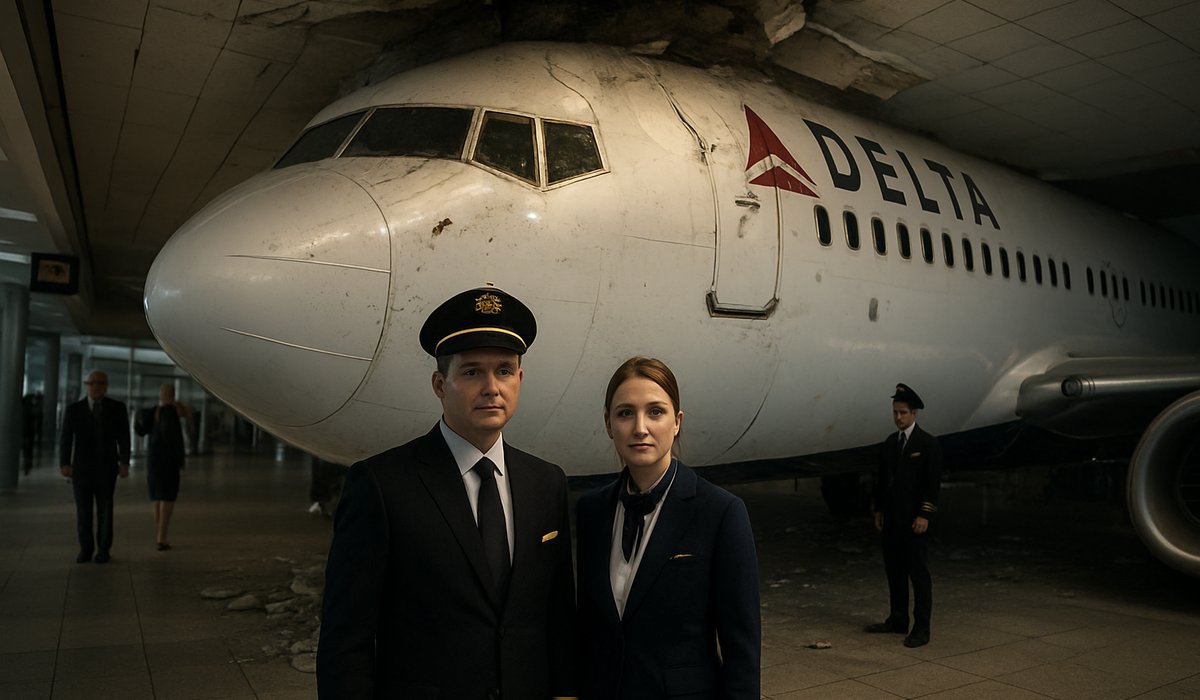
Image generated by AI
Delta Air Lines Faces Major Lawsuit Over Transatlantic Flight Turbulence Incident That Hospitalized 25
Legal action filed by passengers and crew injured during severe weather encounter on Salt Lake City-Amsterdam flight
Incident Details and Legal Action
Delta Air Lines is defending itself against a significant lawsuit stemming from a severe turbulence event that struck Flight DL56 on July 30, 2025. The Boeing widebody aircraft, operating the transatlantic route between Salt Lake City International Airport and Amsterdam Schiphol Airport, encountered unexpected atmospheric conditions that caused substantial injuries to passengers and crew members alike.
Court filings indicate that 25 individuals required hospitalization following the incident, which forced the flight crew to divert the aircraft before completing its scheduled journey across the Atlantic. Passengers named in the legal action, filed in Utah courts, claim they sustained both physical injuries and psychological trauma from the violent encounter with the weather system.
Growing Turbulence-Related Litigation in Aviation
The Delta lawsuit adds to a mounting wave of turbulence-related claims challenging major carriers worldwide. Over recent years, severe in-flight weather encounters have increasingly prompted legal action, raising critical questions about pilot decision-making, aircraft routing, and safety protocols during transatlantic operations.
Turbulence incidents have become a focal point for passenger safety advocates and legal experts, particularly as climate patterns shift and atmospheric conditions become less predictable. The aviation industry has invested heavily in weather forecasting systems and real-time data integration, yet unexpected severe weather events continue to pose challenges for flight operations.
Industry Safety Standards Under Scrutiny
The incident underscores ongoing debates within the aviation sector regarding turbulence preparedness and cabin safety measures. While modern aircraft are engineered to withstand extreme atmospheric stress, passenger injuries during unexpected weather encounters remain a persistent liability concern for airlines.
Delta's operational procedures during the incident will likely face examination during legal proceedings. Airlines are expected to maintain current weather intelligence, communicate effectively with air traffic control, and make prudent decisions regarding flight routing and altitude adjustments to mitigate turbulence risks.
Broader Implications for Transatlantic Operations
Transatlantic flights, which typically operate at high altitudes over extended periods, encounter varying atmospheric conditions throughout their routes. Jet stream positioning, seasonal weather patterns, and climate variability all influence turbulence encounters on these long-haul services.
The financial implications of such incidents extend beyond immediate medical costs and potential settlements. Reputational damage, operational disruptions, and enhanced safety protocol investments represent significant expenses for affected carriers.
Frequently Asked Questions
What causes severe turbulence on transatlantic flights? Transatlantic routes frequently encounter jet stream activity, clear-air turbulence, and weather systems that can create sudden atmospheric disturbances without visible warning signs.
How often do turbulence-related lawsuits occur in aviation? Severe turbulence incidents prompting hospitalization have increased legal filings over the past decade, particularly involving long-haul international carriers operating through unpredictable weather corridors.
What are airlines legally required to do during turbulent conditions? Airlines must maintain current meteorological data, communicate with air traffic control, adjust altitude or routing when feasible, and ensure cabin crew compliance with safety protocols including seatbelt usage announcements.
Can passengers claim compensation for turbulence injuries? Yes, passengers can pursue legal action for verifiable physical injuries and documented emotional distress resulting from airline negligence or failure to implement adequate safety procedures.
How has aircraft technology improved turbulence detection? Modern aircraft feature advanced weather radar systems, satellite data integration, and real-time atmospheric monitoring that enable pilots to identify and avoid severe turbulence zones more effectively than previous generations of equipment.
Related Travel Guides
External Resources
Disclaimer
This article is for informational and educational purposes only. It does not constitute legal, financial, or professional advice. While we strive to provide accurate and up-to-date information, travel policies, regulations, and conditions change rapidly. Always verify information with official sources before making travel decisions. Nomad Lawyer makes no representations about the accuracy, reliability, completeness, or suitability of the information provided. Readers should consult qualified professionals for advice specific to their circumstances. The views expressed in this article are those of the author and do not necessarily reflect the views of Nomad Lawyer.
Kunal K Choudhary
Co-Founder & Contributor
A passionate traveller and tech enthusiast. Kunal contributes to the vision and growth of Nomad Lawyer, bringing fresh perspectives and driving the community forward.
Learn more about our team →