
Discover Coorg 2026: The Ultimate Nature Escape in India’s Coffee Capital
Known as the 'Scotland of India', Coorg is a premier destination for 2026, offering misty coffee plantations, breathtaking waterfalls like Abbey Falls, and the rich cultural heritage of the Kodava people.

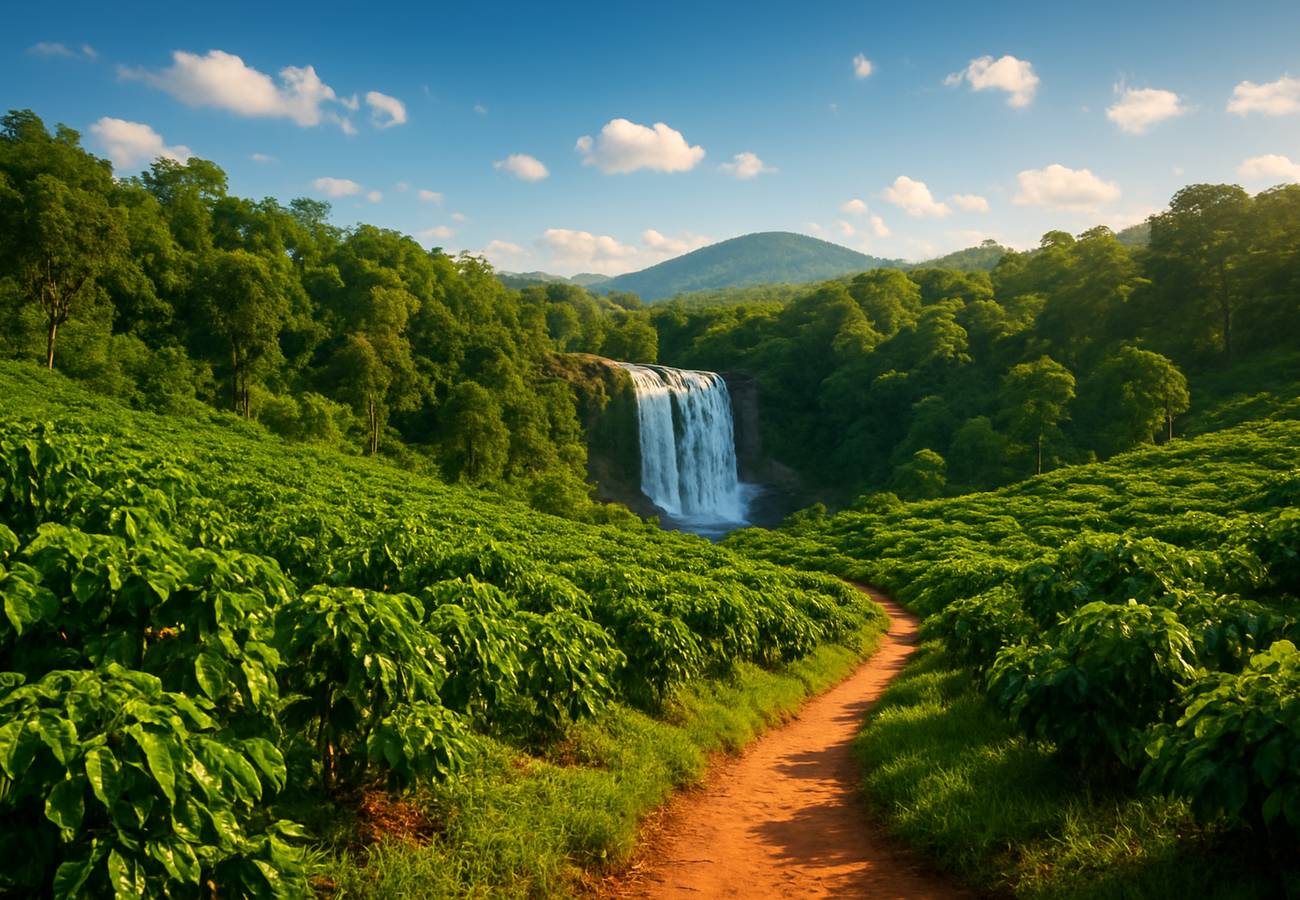
Image generated by AI
Quick Summary
- Geographic Appeal: Nestled in the Western Ghats of Karnataka, Coorg (Kodagu) is celebrated for its cool climate, earning it the nickname "Scotland of India."
- Coffee Dominance: The region is a global hub for Arabica and Robusta coffee, offering immersive estate tours and traditional homestay experiences.
- Waterfalls & Wildlife: Key attractions include Abbey Falls (70ft drop), Iruppu Falls, and the Dubare Elephant Camp for wildlife conservation.
- Cultural Identity: The district is home to the Kodava community, known for unique culinary staples like Pandi Curry and rice dumplings (Kadambuttu).
- Connectivity: Accessible via Mysore (120 km) and Bengaluru (250 km), with Karnataka Tourism focusing on sustainable infrastructure and eco-tourism growth in 2026.
Tucked away in the emerald folds of the Western Ghats, Coorg remains a cornerstone of India’s nature and eco-tourism landscape in 2026. Often referred to as the "Scotland of India," this high-altitude district is a mosaic of sprawling coffee estates, dense tropical forests, and cascading waterfalls that come alive during the monsoon. Beyond its physical beauty, Coorg offers a rare cultural immersion into the traditions of the Kodava people, whose history is preserved in landmarks like the Madikeri Fort and the Omkareshwara Temple. As the Karnataka Tourism Department ramps up sustainable development efforts, the region is increasingly seen as a model for balancing ecological preservation with high-end hospitality. From the aromatic coffee tasting tours in Madikeri to the serene bamboo groves of Nisargadhama, Coorg provides a multi-sensory escape for travelers seeking both adventure and tranquility in the lap of nature.
Coorg Travel Planner 2026: Key Attractions and Regional Logistics
The following table summarizes the top destinations and logistical essentials for a visit to the Kodagu district.
| Attraction Type | Landmark Destination | Key Feature | Best Time to Visit |
|---|---|---|---|
| Waterfall | Abbey Falls | 70-foot drop into a lush gorge | Monsoon (July–Sept) |
| Wildlife | Dubare Elephant Camp | Interaction and conservation | Year-round |
| Island Park | Nisargadhama | Bamboo groves and deer sightings | Post-monsoon |
| Spiritual | Omkareshwara Temple | Islamic & Gothic architectural fusion | Morning/Evening |
| Cultural Hub | Madikeri Fort | Historical colonial and local artifacts | Daytime |
| Scenic Peak | Iruppu Falls | Situated in the Brahmagiri Hills | Monsoon |
| Logistics Hub | Mysore Airport | Nearest transit point (120 km) | All seasons |
The Coffee Capital: Immersive Estate Tours and Homestays
Coorg is the heartbeat of India's coffee production:
- Plantation Tours: Travelers can explore vast estates of Arabica and Robusta, learning about the journey from bean to cup.
- Aromatic Stays: Many coffee estates have converted parts of their property into homestays, providing guests with authentic Kodava hospitality and fresh-brewed local coffee.
- Eco-Tourism: The cool, misty environment of the estates makes them ideal for birdwatching and low-impact nature walks.
Nature’s Havens: Abbey Falls and the Monsoon Transformation
The monsoon season (June to September) transforms the landscape:
- Abbey Falls: Located near Madikeri, this waterfall is at its most powerful after heavy rains, gushing into a gorge surrounded by spice and coffee plants.
- Iruppu Falls: A spiritual and natural landmark, the falls are a major attraction for trekkers and those visiting the nearby Rameshwara Temple.
- Verdant Hills: The entire district is draped in a thick blanket of green, making it a premier destination for landscape photographers.
Cultural Heritage: Exploring Kodava Cuisine and Traditional Festivals
The culture of the Kodava community is a central pillar of the Coorg experience:
- Spicy Staples: The region’s cuisine is famous for Pandi Curry (pork in a dark, spicy gravy) and Kadambuttu (steamed rice dumplings).
- Traditional Dance: Festivals and local weddings often feature traditional Kodava dance forms that reflect the warrior heritage of the community.
- Historical Architecture: The Omkareshwara Temple and Madikeri Fort provide a window into the diverse historical influences of the region.
Wildlife and Conservation: The Dubare Elephant Camp and Nisargadhama
Coorg offers unique opportunities to connect with the local fauna:
- Dubare Elephant Camp: Situated on the banks of the River Cauvery, this camp allows visitors to learn about elephant training and contribute to conservation efforts.
- Nisargadhama Island: Accessible via a hanging bridge, this 64-acre island features teak and sandalwood trees, a deer park, and diverse birdlife.
Infrastructure and Growth: Karnataka’s Sustainable Tourism Strategy
In 2026, the Karnataka Tourism Department is focusing on quality and sustainability:
- Seamless Transit: Investments in the Mysore-Coorg roadway have significantly reduced travel times for tourists arriving from Bengaluru.
- Eco-Certification: Many resorts and homestays are now adhering to strict ecological preservation standards to protect the Western Ghats.
- Local Empowerment: The growth of the tourism sector is creating thousands of jobs in the hospitality, logistics, and plantation sectors for local Malagasy and Kodava residents.
Logistics: How to Reach and Navigate the Kodagu District
Navigating the winding roads of Coorg is part of the adventure:
- By Air: The nearest airport is in Mysore (120 km), while the Kempegowda International Airport in Bengaluru (250 km) serves as the main international gateway.
- By Road: Coorg is well-connected by KSRTC buses and private taxis from Mysore, Mangalore, and Bengaluru.
- Local Travel: For an intimate experience, visitors can rent bicycles or motorbikes to explore the smaller estate roads and hidden viewpoints.
FAQ: Discover Coorg 2026
Which is the best month to visit Coorg for waterfalls? July and August are the peak months to witness Abbey and Iruppu Falls in their full monsoon glory.
What are the must-try dishes in Coorgi cuisine? You should try the Pandi Curry, Kadambuttu (rice balls), and the locally produced Robusta coffee.
How far is Coorg from Bengaluru? The distance is approximately 250 kilometers, typically taking 5 to 6 hours by road depending on traffic.
Related Travel Guides
Disclaimer
This article is for informational and educational purposes only. It does not constitute legal, financial, or professional advice. While we strive to provide accurate and up-to-date information, travel policies, regulations, and conditions change rapidly. Always verify information with official sources before making travel decisions. Nomad Lawyer makes no representations about the accuracy, reliability, completeness, or suitability of the information provided. Readers should consult qualified professionals for advice specific to their circumstances. The views expressed in this article are those of the author and do not necessarily reflect the views of Nomad Lawyer.
Kunal K Choudhary
Co-Founder & Contributor
A passionate traveller and tech enthusiast. Kunal contributes to the vision and growth of Nomad Lawyer, bringing fresh perspectives and driving the community forward.
Learn more about our team →