
Common Clothing Mistakes to Avoid at All-Inclusive Resorts in 2026
Master resort dress codes in 2026. Discover which common clothing mistakes could create uncomfortable situations at all-inclusive hotels and how to pack smartly for your vacation.

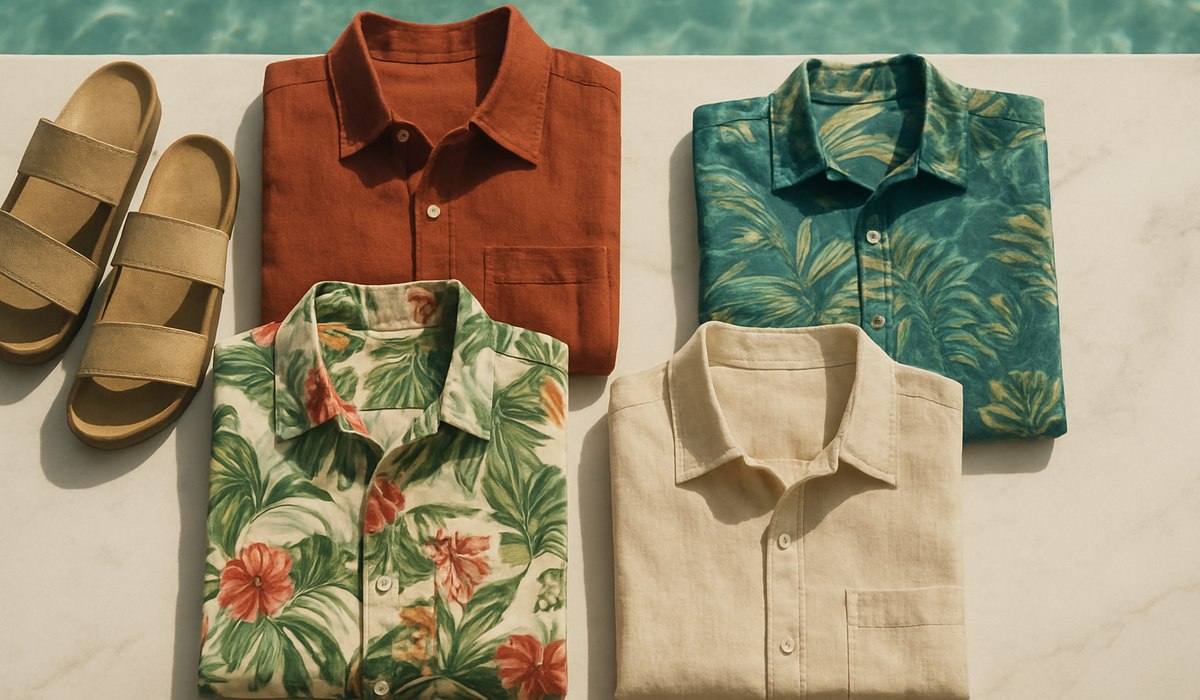
Image generated by AI
Master Resort Dress Codes: A 2026 Style Guide for All-Inclusive Guests
All-inclusive resorts offer an escape from everyday life, but navigating unwritten dress codes remains a challenge for many travelers. Understanding what not to wear prevents awkward moments and helps you blend seamlessly with fellow guests. Whether you're planning a Caribbean getaway or a Mexican beach escape, avoiding common clothing mistakes ensures maximum comfort and confidence throughout your stay. This comprehensive guide reveals which outfit choices could undermine your all-inclusive experience and provides practical packing strategies to keep you looking polished without overthinking your vacation wardrobe.
Casual Dinner Attire Violations
Evening dining at all-inclusive resorts often requires stepping up from daytime beach wear. Many guests mistakenly wear athletic wear, tank tops, or flip-flops to casual dinner venues, which can result in polite but firm dress code enforcement.
The most common clothing mistakes involve wearing visibly worn clothing, excessively tight garments, or anything with offensive graphics. Casual restaurants typically expect closed-toe shoes, though many all-inclusive properties remain flexible about sandals with straps. Men should avoid wearing sleeveless undershirts or tank tops designed for athletic activities in dining areas.
Resort staff prefer guests wear collared shirts, sundresses, or tailored casual wear. Women can opt for lightweight wraps or cardigans over sleeveless dresses for evening meals. Khakis, lightweight pants, and modest shorts above the knee work well for casual dinner settings. The key is demonstrating respect for the venue while maintaining comfort in tropical heat. Checking your resort's specific dress code policy upon arrival prevents disappointment and ensures smooth dining experiences throughout your stay.
Beachwear Boundaries and Etiquette
Beach attire requires understanding what belongs poolside versus in public resort spaces. Common clothing mistakes include wearing wet swimwear through the lobby, wearing thong bikinis in family-friendly areas, or sporting swimwear in restaurants and bars.
Most all-inclusive resorts expect guests to cover up when leaving the beach or pool. A lightweight cover-up, t-shirt, or beach dress serves this purpose while maintaining comfort. Avoid bikini tops without bottoms, extremely sheer materials, or swimwear with minimal coverage in common dining areas.
Men often mistakenly wear only swim shorts without shirts in non-beach spaces. Resorts generally require shirts in restaurants, even casual beach bars. Avoid mesh tanks or overly transparent materials that don't provide adequate coverage. Wet swimwear dripping through carpeted hallways creates maintenance issues and appears inconsiderate to other guests.
Flip-flops and sandals work for beach transitions, but many resorts prefer closed-toe options in air-conditioned indoor spaces. Women's beach wraps or sarongs offer stylish solutions for transitioning between areas while avoiding uncomfortable situations with management or fellow guests who may find certain attire inappropriate.
What Not to Wear in Common Areas
Lounging areas, gift shops, and casual corridors within all-inclusive properties have implicit dress standards. Wearing pajamas, gym clothes, or bedwear through common areas ranks among the most frequent clothing mistakes guests make.
Resort guests often underestimate how visible they are in shared spaces. Avoid wearing visibly soiled clothes, items with holes or stains, or anything that appears unwashed. Tight activewear designed exclusively for exercise doesn't belong in lobbies or dining venues. Similarly, excessively loose or baggy clothing that reveals undergarments creates uncomfortable environments for families and other travelers.
Hats indoors, unless part of a cultural or religious practice, typically aren't appropriate in dining or gathering spaces. Sunglasses worn constantly in indoor areas can seem unfriendly or evasive. Avoid wearing swimwear anywhere beyond pool and beach zones, including when walking through the resort to your room.
Dress codes remain more relaxed at modern all-inclusive resorts compared to upscale properties, yet maintaining basic presentation standards shows courtesy. Smart casual—lightweight pants, simple shirts, casual dresses, and clean shoes—works for nearly every common area. This approach keeps you comfortable in tropical heat while respecting the resort environment and other guests' experiences.
Packing Strategy to Avoid Missteps
Strategic packing prevents last-minute wardrobe scrambles that lead to poor clothing decisions. Begin by researching your specific resort's dress code policies before departure. Most properties detail expectations on their official websites or provide this information during booking confirmations.
Pack multiple lightweight cover-ups for beach-to-resort transitions. Include one nicer casual shirt or dress for upscale dining venues. Bring clean, well-fitting shorts and lightweight pants that work in air-conditioned environments. Include several simple t-shirts and casual tops that work in multiple contexts. Avoid packing exclusively beach or activewear.
Footwear should include at least one closed-toe option for dining venues, sandals with straps for common areas, and flip-flops strictly for pool and beach access. Consider lightweight wraps or cardigans for air-conditioned restaurants. Bring appropriate undergarments to prevent visible lines or inappropriate transparency.
Pack neutral-colored basics that mix and match easily, reducing the total number of items needed. Lightweight fabrics in natural fibers breathe better in tropical climates and wash quickly if needed during your stay. Rolling clothes instead of folding saves space and reduces wrinkles. Plan outfits mentally before packing to ensure each piece serves multiple purposes, helping you avoid common clothing mistakes born from inadequate preparation.
| Aspect | Details |
|---|---|
| Casual Dinner Dress Code | Collared shirts, sundresses, closed-toe shoes; avoid tank tops and athletic wear |
| Beach Area Standards | Cover-ups required when leaving beach; thong bikinis inappropriate in family zones |
| Common Area Expectations | No pajamas, gym clothes, or swimwear; smart casual preferred |
| Footwear Rules | Strapped sandals for lobbies; flip-flops acceptable pool/beach only |
| Prohibited Items | Visibly soiled clothing, excessively tight garments, offensive graphics |
| Recommended Packing | Multiple cover-ups, one nicer casual shirt, neutral basics, closed-toe shoes |
What This Means for Travelers
Understanding dress codes transforms your all-inclusive experience from uncertain to confident. Here are actionable steps to ensure your wardrobe aligns with resort expectations:
-
Contact your resort directly one week before arrival requesting their specific dress code document. Most properties email detailed guidelines that eliminate guesswork.
-
Pack a lightweight cardigan or button-up shirt as a universal layer that works for temperature control and dress code compliance across multiple settings.
-
Invest in quality cover-ups or beach dresses that transition easily from pool to casual dining without appearing like swimwear.
-
Choose neutral colors like white, beige, navy, and earth tones that work across multiple outfits and environments while maintaining a polished appearance.
-
Avoid bold graphics, offensive language, or attention-seeking designs that might clash with family-oriented resort environments.
-
Plan specific outfits mentally before departure, ensuring each piece functions across multiple contexts and settings within your resort.
-
Bring an extra set of clean basics in carry-on luggage in case checked bags arrive late, preventing emergency wardrobe mistakes during your first evening.
Frequently Asked Questions
Can I wear athletic leggings to breakfast at an all-inclusive resort?
Most all-inclusive resorts permit athletic leggings in casual breakfast buffets if paired with a shirt or cover-up. However, wearing them exclusively for working out creates awkward situations. Bring one casual pair of pants or shorts as an alternative for a more polished appearance that respects shared dining spaces.
Are flip-flops acceptable throughout the entire resort?
Flip-flops work perfectly for pool and beach areas but aren't appropriate for lobbies, restaurants, or gift shops. Invest in strapped sandals that look more intent
Disclaimer
This article is for informational and educational purposes only. It does not constitute legal, financial, or professional advice. While we strive to provide accurate and up-to-date information, travel policies, regulations, and conditions change rapidly. Always verify information with official sources before making travel decisions. Nomad Lawyer makes no representations about the accuracy, reliability, completeness, or suitability of the information provided. Readers should consult qualified professionals for advice specific to their circumstances. The views expressed in this article are those of the author and do not necessarily reflect the views of Nomad Lawyer.
Kunal K Choudhary
Co-Founder & Contributor
A passionate traveller and tech enthusiast. Kunal contributes to the vision and growth of Nomad Lawyer, bringing fresh perspectives and driving the community forward.
Learn more about our team →