
Cleartrip Reports Rise in Luxury Hotel Bookings for Summer 2026
Cleartrip reports rise in luxury hotel bookings by 108% for summer 2026. Indian travellers are embracing premium experiences and coolcation destinations, reshaping summer travel patterns across the country.

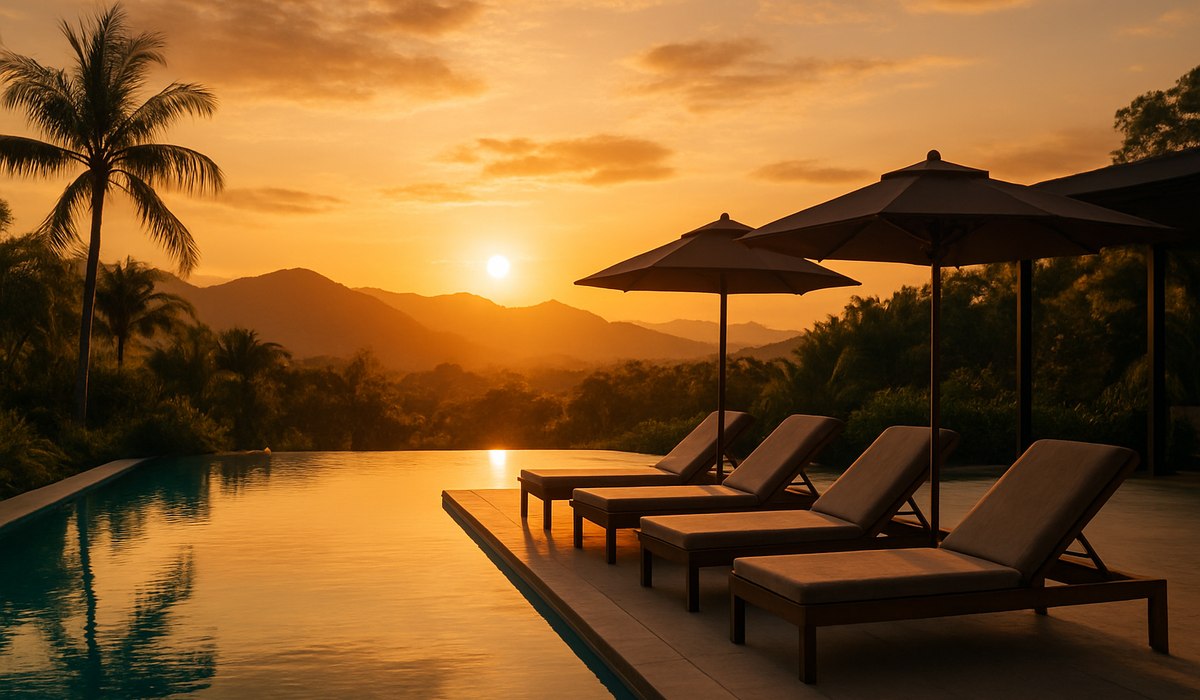
Image generated by AI
Indian Travelers Embrace Premium Summer Getaways
Cleartrip's latest travel trends data confirms that Indian travelers are dramatically shifting toward luxury accommodations, with premium hotel bookings surging 108% for the summer 2026 season. This remarkable surge reflects a fundamental change in how affluent Indians approach their seasonal vacations, prioritizing experiential luxury and comfort over budget-conscious alternatives. The online travel platform's comprehensive analysis reveals that this growth extends beyond hotels alone, encompassing flights, bus bookings, and emerging travel categories that cater to evolving consumer preferences. The momentum underscores India's booming premium travel market and the growing willingness of middle and upper-class travelers to invest in high-end hospitality experiences during peak summer months.
The Luxury Travel Surge: What's Driving 108% Growth
The explosive 108% increase in luxury hotel bookings reflects multiple converging factors reshaping Indian travel behavior. Post-pandemic consumer confidence has strengthened significantly, enabling travelers to allocate larger budgets toward premium accommodations and curated experiences. Rising disposable incomes among India's affluent demographic, combined with remote work flexibility, have created unprecedented opportunities for extended luxury stays. Corporate incentive travel and high-net-worth individual vacations are driving substantial booking volumes across five-star properties and boutique luxury brands.
According to Cleartrip's travel insights platform, experiential luxury—combining authentic regional culture with premium amenities—appeals strongly to contemporary Indian travelers. Summer 2026 particularly benefits from pent-up demand for domestic luxury properties after several years of cautious spending. Additionally, improved digital booking interfaces and transparent pricing models have reduced friction in the luxury hospitality purchasing journey, encouraging spontaneous bookings and longer stays among premium customer segments.
Coolcations and Solo Travel: Emerging Summer Trends
The summer 2026 season introduces "coolcation" as a defining travel concept—luxury escapes to cooler hill stations and elevated destinations offering respite from India's intense summer heat. Destinations including Himalayan hill stations, Western Ghats properties, and high-altitude resort clusters are experiencing unprecedented booking demand from luxury-seeking travelers. These coolcation properties combine contemporary comfort with proximity to natural cooling zones, creating perfect conditions for extended stays.
Simultaneously, solo luxury travel is experiencing remarkable growth, particularly among professional women and independent entrepreneurs. This demographic prioritizes safety, wellness amenities, and personalized concierge services that premium hotels uniquely provide. Luxury spa facilities, gourmet dining experiences, and digital connectivity enabling remote work participation have transformed solo travel from a niche segment into a mainstream revenue driver for high-end hospitality brands. Properties offering curated solo traveler packages with group dining options and organized activities are capturing significant market share within this expanding segment.
Tier II Markets and Regional Connectivity Fueling Bookings
Beyond metro-centric travel patterns, Cleartrip reports rise in luxury bookings across Tier II and Tier III Indian cities, demonstrating geographic diversification in premium travel demand. Cities including Pune, Ahmedabad, Kochi, Jaipur, and Indore are generating substantial luxury hotel booking volumes, reflecting improved regional airport connectivity and growing affluence outside traditional metropolitan centers. These secondary markets exhibit strong preference for regional luxury properties featuring local heritage, cuisine, and cultural experiences integrated with premium hospitality standards.
Regional connectivity improvements, including expanded airline routes and enhanced highway infrastructure, have substantially reduced travel friction for Tier II city residents accessing premium destinations. Enhanced rail connectivity has similarly transformed previously remote luxury destinations into accessible weekend getaway options. Property developers and hospitality operators are strategically expanding luxury accommodation supply in secondary markets, recognizing substantial underserved demand among prosperous regional demographics seeking premium experiences without metropolitan travel burdens.
What Guests Get
Premium hotels capitalizing on the summer 2026 luxury surge offer comprehensive amenities packages designed for extended stays and experiential engagement. Signature offerings include climate-controlled accommodations featuring advanced air-filtration systems specifically designed for summer comfort, multiple high-capacity pools with temperature regulation, and world-class spa facilities specializing in heat-recovery and wellness treatments.
Culinary experiences represent major differentiators, with many luxury properties offering celebrity chef-curated menus, regional gastronomy experiences, and personalized dietary programming. Technology integration includes high-speed connectivity enabling seamless remote work participation, smart room automation, and digital concierge services operating 24/7. Family-focused amenities include activity centers, adventure programming, and supervised recreation facilities, while adult-only zones provide exclusive relaxation spaces. Sustainability practices including water conservation systems, renewable energy integration, and locally-sourced procurement are increasingly positioned as premium value-adds rather than standard features.
Summer 2026 Luxury Hotel Market Overview
| Metric | Data Point | Significance |
|---|---|---|
| Luxury Booking Growth | 108% year-over-year increase | Strongest surge in premium hotel sector history |
| Primary Season | Summer 2026 (April-July) | Peak demand period across India |
| Key Demographic | Affluent professionals, HNIs, entrepreneurs | Primary revenue driver for luxury properties |
| Emerging Trend | Coolcation destinations | Repositioning hill stations as premium options |
| Solo Travel Segment | Fastest-growing booking category | Expanding revenue source for premium brands |
| Tier II Market Growth | Significant year-over-year expansion | Geographic diversification of luxury demand |
What This Means for Travelers
The luxury hotel booking surge creates both opportunities and strategic considerations for premium-seeking summer travelers. Here are actionable insights:
-
Book early for premium inventory: With 108% growth driving occupancy increases, luxury properties in popular coolcation destinations fill rapidly. Reserve accommodations at least eight weeks before intended travel dates to secure preferred properties and rate categories.
-
Explore Tier II destinations: Secondary city luxury properties offer exceptional value propositions compared to saturated metro-area markets. Properties in Pune, Ahmedabad, and Jaipur deliver comparable amenities with shorter travel times and competitive pricing.
-
Leverage package programming: Many luxury hotels now bundle activities, dining experiences, and wellness services into comprehensive packages, maximizing value for extended summer stays of seven days or longer.
-
Consider coolcation-specific features: Properties explicitly designed for heat management—high-capacity pools, spa cooling treatments, altitude advantages—provide superior summer comfort compared to standard luxury accommodations.
-
Evaluate solo travel offerings: If traveling individually, specifically investigate properties with curated solo traveler programming, communal dining options, and organized activity calendars that facilitate social connection and personalized experiences.
Frequently Asked Questions
What exactly is driving the 108% increase in luxury hotel bookings?
Multiple factors contribute to this surge: improved consumer confidence post-pandemic, rising disposable incomes among affluent demographics, remote work flexibility enabling extended stays, and enhanced digital booking platforms reducing purchasing friction. Additionally, pent-up demand for premium experiences and strategic expansion of luxury properties in secondary markets have created unprecedented booking volume.
Which destinations are most popular for luxury summer stays in 2026?
Himalayan hill stations, Western Ghats properties, and elevated coolcation destinations dominate bookings. Tier II cities including Pune, Ahmedabad, Kochi, and Jaipur are emerging as secondary preference centers. These regions offer superior summer temperatures, enhanced regional connectivity, and luxury property proliferation.
Are solo travelers particularly benefiting from this luxury hotel surge?
Yes, solo luxury travel is the fastest-growing segment within the broader luxury market. Hotels are developing dedicated programming including group dining, organized activities, and personalized concierge services specifically addressing solo traveler preferences. This demographic prioritizes safety, wellness amenities, and cultural experiences that premium properties uniquely deliver.
How far in advance should I book a luxury summer property for 2026?
Industry experts recommend booking eight to twelve weeks before intended travel dates. With occupancy rates climbing across
Disclaimer
This article is for informational and educational purposes only. It does not constitute legal, financial, or professional advice. While we strive to provide accurate and up-to-date information, travel policies, regulations, and conditions change rapidly. Always verify information with official sources before making travel decisions. Nomad Lawyer makes no representations about the accuracy, reliability, completeness, or suitability of the information provided. Readers should consult qualified professionals for advice specific to their circumstances. The views expressed in this article are those of the author and do not necessarily reflect the views of Nomad Lawyer.
Preeti Gunjan
Contributor & Community Manager
A passionate traveller and community builder. Preeti helps grow the Nomad Lawyer community, fostering engagement and bringing the reader experience to life.
Learn more about our team →