
China Taiwan Incentives Reshape Cross-Strait Travel Routes in 2026
Beijing's post-summit policy shifts are restoring direct flights and maritime routes between Taiwan and mainland China. The April 2026 Xi-Cheng meeting triggers immediate travel infrastructure changes affecting millions of cross-strait travelers.

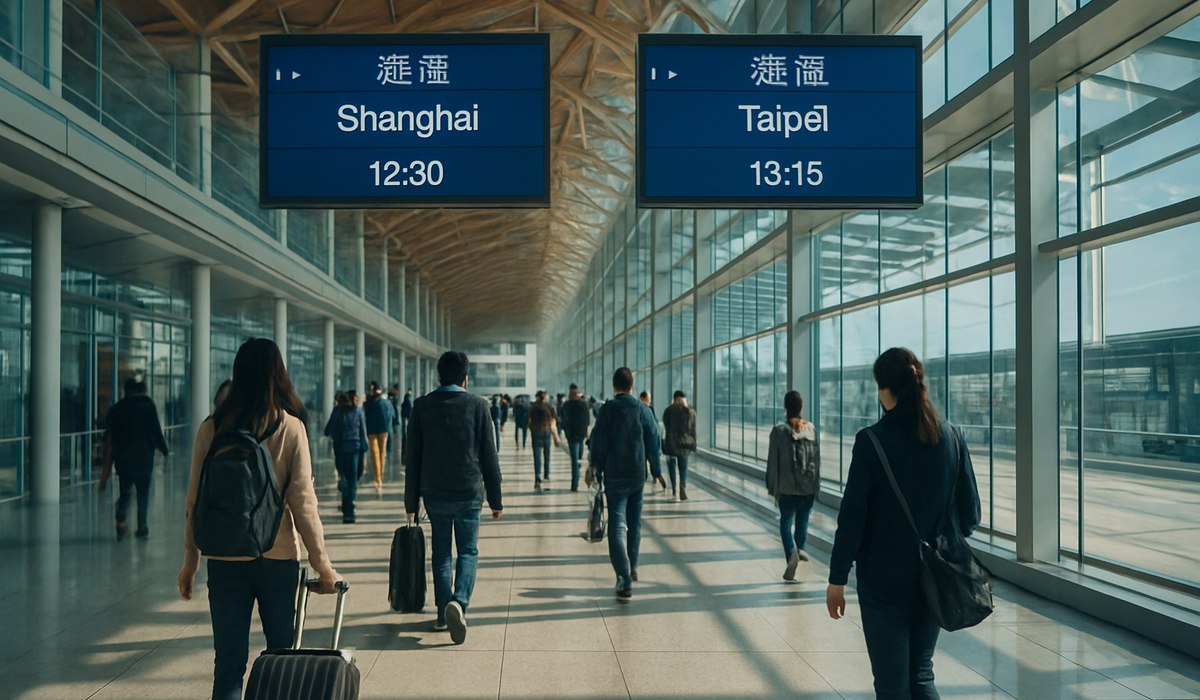
Image generated by AI
Beijing Summit Unleashes Immediate Travel Policy Overhaul
China is fast-tracking a major incentive package for cross-strait travelers following the historic Xi-Cheng summit in Beijing on April 10, 2026. Direct flight corridors and maritime ferry routes between Taiwan and mainland China are resuming operations after years of restrictions, fundamentally reshaping how millions travel across the Taiwan Strait. The landmark meeting between Chinese leadership and Taiwan's Kuomintang delegation has shifted from diplomatic symbolism into concrete infrastructure changes. Travelers can now expect faster connectivity, lower fares, and expanded transport options on popular routes like Shanghai-Taipei and Fuzhou-Kaohsiung within months. This represents the most significant reopening of cross-strait travel corridors in over a decade.
Xi-Cheng Summit Catalyzes Concrete Travel Policy Shifts
The April 10 gathering marked the first high-level dialogue between China's Communist Party and Taiwan's main opposition party in ten years. Beijing's response has moved swiftly from political dialogue to implementation of what officials describe as "peaceful development" across the Strait. Within days of the summit's conclusion, mainland authorities announced preliminary schedules for resuming suspended flight routes and ferry services.
Regional aviation analysts are tracking approximately 15-20 routes identified for immediate restoration or expansion. State-backed carriers China Eastern, Air China, and China Southern have already submitted revised flight schedules to Beijing Civil Aviation Administration officials. The policy framework explicitly targets leisure travelers, business professionals, students, and families separated by geography. Officials emphasize that the incentive package aims to normalize cross-strait mobility while maintaining security protocols at ports of entry.
The summit's outcome signals Beijing's confidence in sustained dialogue with Taiwanese political parties. This creates institutional confidence for carriers and tourism operators to invest in expanded capacity. Tourism boards across Fujian, Guangdong, and Shanghai provinces have already launched recruitment campaigns targeting Taiwanese tour groups.
Direct Flight Corridors and Maritime Routes Resume Operations
China's revised transportation strategy reopens dormant cross-strait flight pathways that once required detours through Hong Kong or Macau. Airlines operating between mainland and Taiwan can now file applications for direct service restoration without the bureaucratic delays that characterized recent years. The Shanghai-Taipei corridor, historically one of Asia's busiest routes, is expected to see double-digit capacity increases by Q3 2026.
Fuzhou-Kaohsiung connections are similarly prioritized, reflecting Beijing's focus on Fujian Province's historical ties to Taiwan. Ferry operators serving ports in Xiamen, Quanzhou, and Shantou have submitted formal proposals to restart overnight and day-trip maritime services. These routes serve both tourism and cross-strait family reunification markets.
For practical travelers, the maritime routes offer budget-friendly alternatives to flights. Ferry journeys typically cost 30-50% less than air fares while providing overnight cabin options. The resumption of service addresses longstanding demand from Taiwanese business owners maintaining operations across the Strait who previously relied on expensive Hong Kong connections.
Aviation authorities on both sides have committed to accelerated approval processes. Industry projections suggest 60-80% of suspended routes could resume service by September 2026, with full schedule normalization by year-end. Charter flight approvals for holiday periods are also being fast-tracked to handle seasonal travel surges during Lunar New Year and summer vacation windows.
What Travelers Should Expect: Schedules and Booking Strategy
Direct routes are returning in phases rather than simultaneously, creating opportunity for informed travelers to access better pricing during the transition period. Early adopters booking through August 2026 may negotiate competitive fares as carriers test market demand. Major online travel agencies including Trip.com, Expedia, and local platforms are already updating their search algorithms to display newly restored routes.
Flight frequency expectations: Shanghai-Taipei will likely operate 4-6 daily departures by June 2026, up from zero direct flights in recent months. Regional carriers including Taiwan's EVA Air and China Airlines are competing aggressively for mainland market share, which typically drives competitive pricing.
Booking timeline recommendations: For Q3 2026 travel, reserve flights 6-8 weeks in advance to secure preferred departure times and competitive fares. During peak holiday windows (June school breaks, mid-autumn festival in September, Lunar New Year 2027), book 10-12 weeks ahead.
Ferry route details: Xiamen-Kaohsiung service is expected to launch by May 2026 with three weekly sailings. Journey time averages 14 hours overnight, positioning arrival in Kaohsiung for morning activities. Cabin fares typically range from $80-150 USD depending on accommodation level.
Immigration considerations: Taiwanese passport holders entering mainland China continue requiring proper documentation and return tickets. Processing times at major ports (Shanghai, Fuzhou, Xiamen) are expected to decrease from 15 minutes to under 8 minutes as new queue management systems deploy.
Travel professionals advise setting up flight alerts on Google Flights and Skyscanner to monitor emerging routes and price changes. Consider booking refundable fares initially, as schedules may shift during the implementation phase.
Broader Implications for Cross-Strait Business and Tourism
The transportation expansion directly supports Beijing's broader economic integration strategy targeting Taiwanese entrepreneurs, students, and remote workers. Improved connectivity reduces friction costs for business travel, making mainland operations more attractive for Taiwanese tech companies, manufacturing firms, and service providers. Coastal provinces including Fujian and Guangdong are launching recruitment campaigns offering tax incentives, subsidized office space, and streamlined business registration for Taiwanese investors.
Tourism impact: Mainland tour operators are revamping itineraries to feature historic Taiwan-mainland connections. Xiamen's Gulangyu Island, a historic trading port with architectural links to Taiwan, is positioning itself as a gateway destination for Taiwanese travelers discovering ancestral roots. Shanghai and Beijing cultural tourism packages are bundling expanded options for Taiwanese family group travel.
Student mobility: Universities across China are expecting enrollment increases from Taiwanese applicants. Simplified visa processes and expanded scholarship slots create lower barriers for degree programs and research exchanges. This academic movement supports long-term cross-strait cultural integration.
Remote work accessibility: Digital nomads and remote workers with Taiwan residency can now more feasibly relocate to mainland cities like Shenzhen or Hangzhou while maintaining Taiwan-based clients. Clearer residency permit guidelines are expected by June 2026, directly addressing this emerging demographic.
Key Data: Cross-Strait Travel Incentives Overview
| Route | Previous Status | Expected Restart | Projected Frequency | Primary Market |
|---|---|---|---|---|
| Shanghai-Taipei (Air) | Suspended 3 years | May 2026 | 5-6 daily | Business & leisure |
| Fuzhou-Kaohsiung (Air) | Limited service | April 2026 | 3-4 daily | Tourism & family |
| Xiamen-Kaohsiung (Ferry) | Suspended 18 months | May 2026 | 3 weekly | Budget travelers |
| Quanzhou-Taipei (Ferry) | Frozen 2 years | June 2026 | 2 weekly | Regional heritage |
| Beijing-Taipei (Air) | Suspended 5 years | Q3 2026 | 2-3 daily | International tourism |
| Guangzhou-Kaohsiung (Air) | Limited capacity | Q2 2026 | 4-5 daily | Business & tourism |
What This Means for Travelers: Actionable Takeaways
- Book strategically: Reserve flights 6-8 weeks in advance for Q2-Q3 2026 travel. Early bookings capture competitive introductory fares before capacity normalizes. Use flight alert tools to monitor newly listed routes.
2. Consider ferry alternatives: Maritime routes offer
Disclaimer
This article is for informational and educational purposes only. It does not constitute legal, financial, or professional advice. While we strive to provide accurate and up-to-date information, travel policies, regulations, and conditions change rapidly. Always verify information with official sources before making travel decisions. Nomad Lawyer makes no representations about the accuracy, reliability, completeness, or suitability of the information provided. Readers should consult qualified professionals for advice specific to their circumstances. The views expressed in this article are those of the author and do not necessarily reflect the views of Nomad Lawyer.
Kunal K Choudhary
Co-Founder & Contributor
A passionate traveller and tech enthusiast. Kunal contributes to the vision and growth of Nomad Lawyer, bringing fresh perspectives and driving the community forward.
Learn more about our team →