
Thousands Stranded in China Amid Massive Flight Cancellations and Delays
A growing aviation crisis in China has resulted in 86 flight cancellations and over 500 delays across multiple airlines, leaving thousands stranded.

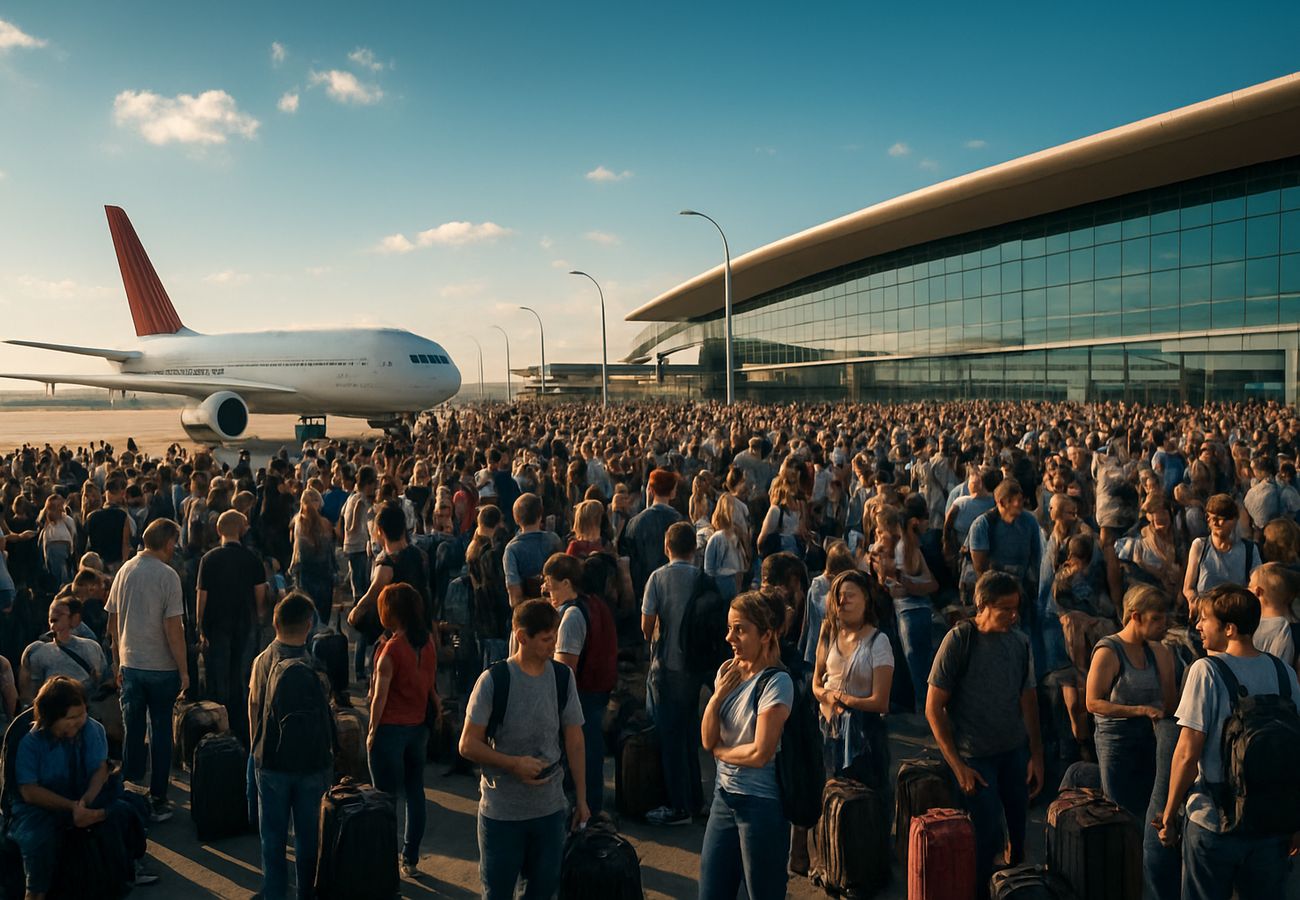
Image generated by AI
Quick Summary
- A major aviation disruption is sweeping across China, resulting in 86 sudden flight cancellations and over 500 significant delays.
- Major airlines, including Shanghai Airlines, Austrian Airlines, United, Shenzhen Airlines, and China Express, are struggling to stabilize their schedules.
- While primary aviation hubs like Beijing and Shanghai are experiencing delays, smaller regional airports are suffering massive cancellation rates.
- Stranded travelers are urged to actively monitor airline apps, explore alternative transport, and understand their rebooking rights.
A rapidly escalating aviation crisis has gripped China, leaving thousands of domestic and international travelers stranded at airports across the country. Major carriers—including Shanghai Airlines, Austrian Airlines, United, Shenzhen Airlines, and China Express—are currently grappling with a sudden wave of 86 flight cancellations and over 500 severe delays. As the disruption quickly spreads outward from major travel hubs to regional airports, passengers are facing overwhelming terminal congestion, missed connections, and mounting uncertainty.
The Scale of the Disruption
The massive wave of flight disruptions is affecting a vast cross-section of China's aviation network. Ground handling systems and aircraft rotations have fallen severely behind schedule, creating a domino effect that airlines are struggling to correct.
In the nation's primary hubs, such as Shanghai (Pudong and Hongqiao) and Beijing (Capital and Daxing), cancellation rates remain relatively low. However, due to the sheer volume of daily traffic, the absolute number of delayed flights is staggering. Shenzhen Bao’an International Airport and Chongqing Jiangbei International Airport are both witnessing heavy delays, causing immense operational stress for terminal staff attempting to manage the surging crowds of frustrated passengers.
Key Facts & Highlights
- Total Disruptions: 86 confirmed cancellations and over 500 major flight delays.
- Airlines Affected: Shanghai Airlines, Austrian Airlines, United, Shenzhen Airlines, China Express, Air China, and several regional carriers.
- Heavily Impacted Cities: Shanghai, Shenzhen, Chongqing, Ningbo, Wuxi, Shijiazhuang, and Lanzhou.
- The Root Issue: Compounding network-level strain, delayed aircraft rotations, and overwhelmed ground handling infrastructure.
Regional Hubs Bear the Brunt
While major international airports are experiencing extensive delays, smaller regional and secondary airports are bearing the absolute brunt of the outright cancellations.
According to flight data, airports in Zhaotong and Tengchong have experienced catastrophic service cuts, with China Express Airlines and Lucky Air cancelling between 66% and 100% of their operations at these locations. Similarly, airports in Hami, Kashgar, and Aksu are witnessing massive schedule slashes from Chengdu Airlines and China Express. This stark imbalance highlights a fragile aviation network where airlines prioritize maintaining major city connections at the direct expense of regional and short-haul connectivity.
What to Do if Your Flight is Cancelled
If you find yourself caught in this sweeping disruption, taking immediate and strategic action can help minimize your stress and expedite your rebooking process:
- Check for Updates Instantly: Do not wait in line. Check your airline’s official mobile app or website for real-time status updates and automatic rebooking options.
- Contact Customer Service Digitally: If you cannot rebook via the app, use the airline’s online chat system or customer service phone line rather than joining massive queues at the terminal service desk.
- Know Your Rights: Familiarize yourself with the airline’s specific compensation and accommodation policies for delays and cancellations within their control.
- Explore Alternatives: If a suitable flight is entirely unavailable, ask for a refund and aggressively look into alternative transport, such as China's extensive high-speed rail network.
Conclusion
The current wave of cancellations and delays across China exposes the underlying fragility of rapidly expanding aviation networks. While airlines scramble to stabilize their rotations and clear the massive passenger backlog, travelers must remain highly adaptable. By relying on real-time data, maintaining flexibility, and understanding their consumer rights, passengers can safely navigate this massive operational hurdle.
Frequently Asked Questions (FAQ)
Which airlines are most affected by the current disruptions in China? A wide range of carriers are impacted, specifically including Shanghai Airlines, Austrian Airlines, United, Shenzhen Airlines, China Express, and Chengdu Airlines.
Are major airports like Beijing and Shanghai cancelling flights? Major hubs like Beijing and Shanghai are seeing very low cancellation rates (around 1%), but they are experiencing a massive number of prolonged flight delays due to the ripple effect.
Why are regional flights being cancelled at higher rates? During widespread network strain, airlines often selectively reduce services at smaller, regional airports to preserve their critical operations at major international hubs.
What should I do if my flight in China is cancelled? Immediately check the airline's app for automatic rebooking options. Avoid long airport lines by contacting customer service via phone or live chat, and consider booking a high-speed train if flights remain unavailable.
Disclaimer
This article is for informational and educational purposes only. It does not constitute legal, financial, or professional advice. While we strive to provide accurate and up-to-date information, travel policies, regulations, and conditions change rapidly. Always verify information with official sources before making travel decisions. Nomad Lawyer makes no representations about the accuracy, reliability, completeness, or suitability of the information provided. Readers should consult qualified professionals for advice specific to their circumstances. The views expressed in this article are those of the author and do not necessarily reflect the views of Nomad Lawyer.
Kunal K Choudhary
Co-Founder & Contributor
A passionate traveller and tech enthusiast. Kunal contributes to the vision and growth of Nomad Lawyer, bringing fresh perspectives and driving the community forward.
Learn more about our team →