
China Order Boeing: 200-Plane Deal Ends Nearly Decade Embargo
China places historic 200-plane order with Boeing in 2026, marking first purchase in nearly a decade. This landmark deal signals easing U.S.-China trade tensions and reshapes global aviation markets.

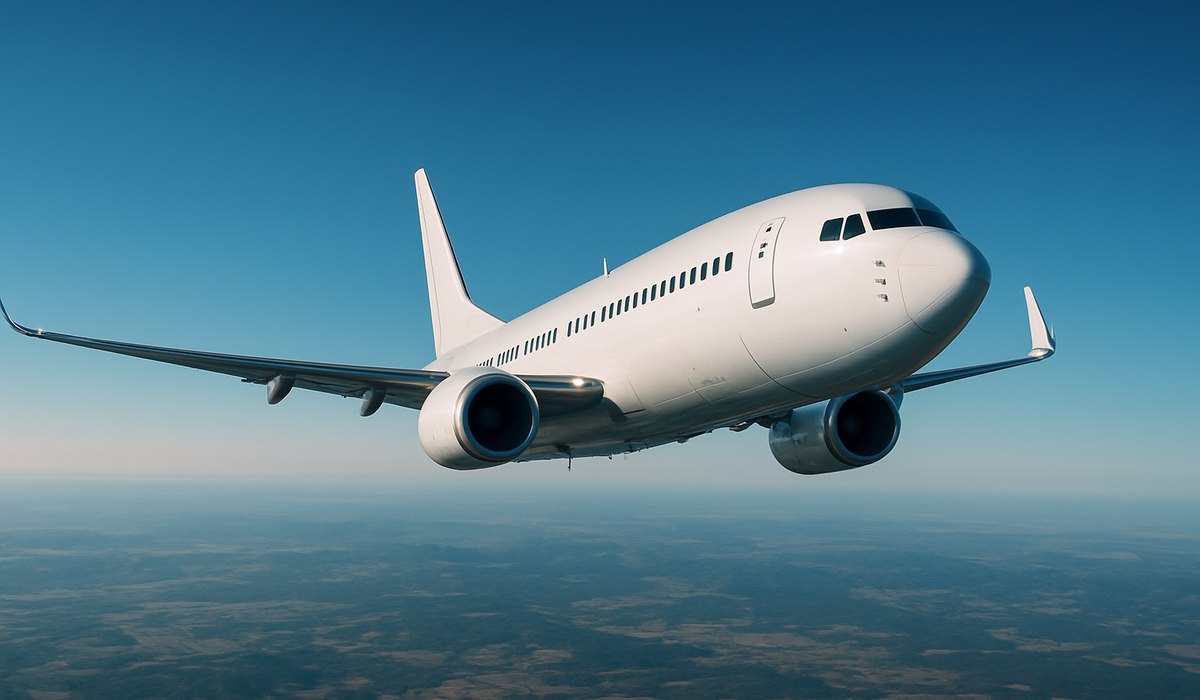
Image generated by AI
Historic Shift: China Returns to Boeing After Nearly Decade-Long Absence
China has announced a landmark order for 200 Boeing aircraft, representing the nation's first major purchase from the U.S. manufacturer in nearly a decade. This unprecedented deal signals a significant thaw in U.S.-China trade relations and marks a turning point for Boeing's recovery in one of the world's most critical aviation markets. The agreement, confirmed in May 2026, ends an extended period of diplomatic and commercial tension that had completely frozen Boeing's access to Chinese carriers.
Breaking the Deadlock: How Trade Tensions Froze Boeing Out of China
Trade disputes between Washington and Beijing had effectively blocked China order Boeing transactions since the mid-2010s. Retaliatory tariffs, geopolitical tensions, and competing industrial interests created an insurmountable barrier for the Chicago-based aircraft manufacturer. Chinese carriers instead pivoted toward Airbus alternatives and domestic manufacturers, gradually reducing their dependency on American suppliers.
The standoff lasted nearly a decade, costing Boeing billions in lost revenue and market share. Chinese airlines including Air China, China Eastern Airlines, and China Southern Airlines had been prohibited from purchasing Boeing equipment due to government directives aligned with trade policy. This embargo forced carriers to reconfigure their fleet expansion strategies entirely, with many opting for Airbus A320 family aircraft instead.
Recent diplomatic initiatives and softening trade rhetoric created space for negotiation. Both nations recognized mutual economic benefits from renewed aviation commerce. The breakthrough reflected broader efforts to stabilize bilateral relations and reduce supply chain vulnerabilities that affected global markets.
What the 200-Plane Order Means for Boeing's Recovery
This China order Boeing agreement represents a lifeline for the manufacturer's commercial aviation division. The deal encompasses narrow-body and wide-body aircraft variants, positioning Boeing for substantial revenue growth throughout 2026 and beyond. Chinese carriers gain access to modern, fuel-efficient aircraft while Boeing secures a multi-year production pipeline.
The planes will support capacity expansion for major Chinese airlines preparing for post-pandemic demand recovery. Routes connecting Chinese cities to North American, European, and Southeast Asian destinations require modern fleets. Boeing's 737 MAX and 787 Dreamliner models will enhance operational efficiency and passenger comfort on these strategic routes.
Manufacturing implications extend across Boeing's supply chain. Component suppliers, assembly facilities, and logistics providers will experience increased demand. This stimulates employment in aerospace manufacturing hubs throughout North America and internationally. Delivery schedules spanning multiple years provide stability for workforce planning and supplier investment decisions.
Implications for Global Aviation Supply Chains
The aircraft manufacturing industry operates with multi-year production lead times and complex international supplier networks. China order Boeing commitments ripple through thousands of companies globally. Titanium suppliers, avionics manufacturers, engine producers, and interior specialists all benefit from expanded production schedules.
Airbus, Boeing's primary competitor, must now strengthen its own Chinese market position. Airlines diversifying fleets between manufacturers reduce dependency risks. This competitive dynamic encourages both manufacturers to innovate, improve efficiency, and expand capacity. Ultimately, travelers benefit from more aircraft choices and improved route frequencies.
Global supply chains also stabilize when major markets remain engaged with established manufacturers. Disruptions in trade flows create inefficiencies that increase costs industry-wide. Normalized U.S.-China aviation commerce reduces friction in component sourcing and technology sharing, supporting faster aircraft delivery times.
Will Other Markets Follow China's Lead?
This historic agreement may encourage other nations to reconsider aviation procurement strategies. India, Vietnam, and Indonesia represent growth markets where Boeing competition intensified during China's embargo period. A successful China-Boeing relationship could restore confidence in long-term partnerships between American manufacturers and Asian carriers.
Trade policy typically shifts across regions in patterns. If U.S.-China relations continue stabilizing, other bilateral agreements may follow. European carriers have maintained steady Boeing relationships, while Middle Eastern airlines diversified extensively. Asian markets often look to Chinese procurement decisions as market signals. Extended diplomatic thaw could accelerate orders from Thai Airways, Philippine Airlines, and other regional carriers.
Technology partnerships accompanying aircraft orders may accelerate. Advanced avionics, predictive maintenance systems, and digital cockpit technologies increasingly influence purchasing decisions. Boeing's ability to deliver cutting-edge solutions could strengthen its position across Asian markets beyond China.
Traveler Action Checklist
Your guide to understanding how this airline news affects your travel plans:
-
Monitor your airline's fleet modernization announcements – Check your preferred carrier's investor relations website or press releases to see if Boeing orders impact their route expansions or aircraft upgrades.
-
Track aircraft types on upcoming flights – Use FlightAware to identify which aircraft operate your booked routes. Newer planes typically offer superior comfort, WiFi, and fuel efficiency.
-
Compare route frequencies for major hubs – Airlines expanding fleets often add daily frequencies on popular routes. Search booking sites for increased flight options to Chinese cities and beyond.
-
Review airline safety records – Visit FAA and US DOT databases to verify safety ratings for carriers receiving new aircraft. Modern planes meet current safety standards.
-
Book during fleet upgrade periods strategically – Airlines sometimes offer promotional pricing when introducing new aircraft. Sign up for airline newsletters to receive advance purchase notifications.
-
Check baggage allowances on new aircraft – Different plane models occasionally feature modified cabin configurations. Verify baggage policies specific to your booked aircraft type before traveling.
Essential Data: China Order Boeing by the Numbers
| Metric | Details |
|---|---|
| Aircraft Quantity | 200 planes ordered |
| Market Gap Duration | Nearly 10 years since previous major order |
| Deal Announcement Date | May 2026 |
| Aircraft Types | Mix of narrow-body and wide-body variants |
| Primary Chinese Carriers | Air China, China Eastern, China Southern Airlines |
| Estimated Delivery Timeline | Multi-year production schedule (2027-2032) |
| Manufacturing Impact | Thousands of aerospace jobs supported globally |
| Market Significance | First major trade thaw signal in aviation sector |
FAQ: China Order Boeing Explained
Q: How does this China order Boeing deal affect my flights from the U.S. to Asia?
A: New aircraft entering Chinese carrier fleets will improve route frequencies and passenger comfort. Airlines expand international service when gaining modern planes. Expect more flight options between North America and Chinese cities within two years, potentially with lower fares due to increased competition.
Q: When will I actually see these new planes on routes I fly?
A: Boeing aircraft deliveries typically span multiple years. Initial aircraft may reach Chinese carriers by late 2027. Widespread fleet deployment across major routes will accelerate through 2028-2029. Check FlightAware periodically to see new aircraft registrations entering service.
Q: Does this China order Boeing agreement mean improved trade relations overall?
A: This agreement signals diplomatic warming but doesn't guarantee comprehensive trade normalization. Aviation represents one sector among many. However, successful long-term partnerships in commercial aviation often encourage cooperation across other industries, benefiting travelers through expanded route networks.
Q: Which Chinese airlines benefit most from this 200-plane order?
A: Air China, China Eastern Airlines, and China Southern Airlines represent the "Big Three" carriers likely receiving aircraft allocations. Regional carriers and low-cost operators may also participate. Airlines typically receive orders reflecting their fleet size and expansion strategies over five-year planning horizons.
What This Means for Travelers
This China order Boeing development creates tangible benefits for aviation travelers globally. Chinese carriers modernizing fleets enhance safety records, fuel efficiency, and passenger amenities. Newer aircraft generate less noise pollution, produce fewer emissions, and incorporate advanced avionics reducing flight delays.
Competition intensifies as Boeing regains market access. Airlines previously locked into Airbus purchases gain flexibility. This duopoly restoration encourages both manufacturers to innovate faster
Disclaimer
This article is for informational and educational purposes only. It does not constitute legal, financial, or professional advice. While we strive to provide accurate and up-to-date information, travel policies, regulations, and conditions change rapidly. Always verify information with official sources before making travel decisions. Nomad Lawyer makes no representations about the accuracy, reliability, completeness, or suitability of the information provided. Readers should consult qualified professionals for advice specific to their circumstances. The views expressed in this article are those of the author and do not necessarily reflect the views of Nomad Lawyer.
Kunal K Choudhary
Co-Founder & Contributor
A passionate traveller and tech enthusiast. Kunal contributes to the vision and growth of Nomad Lawyer, bringing fresh perspectives and driving the community forward.
Learn more about our team →