
China Airlines H1 2026 Revenue Jumps 16.1% as Fuel Costs and Fleet Expansion Hit Profits
China Airlines reports a 16.1% revenue surge for H1 2026, though soaring jet fuel prices and fleet modernization costs have significantly compressed net income margins.

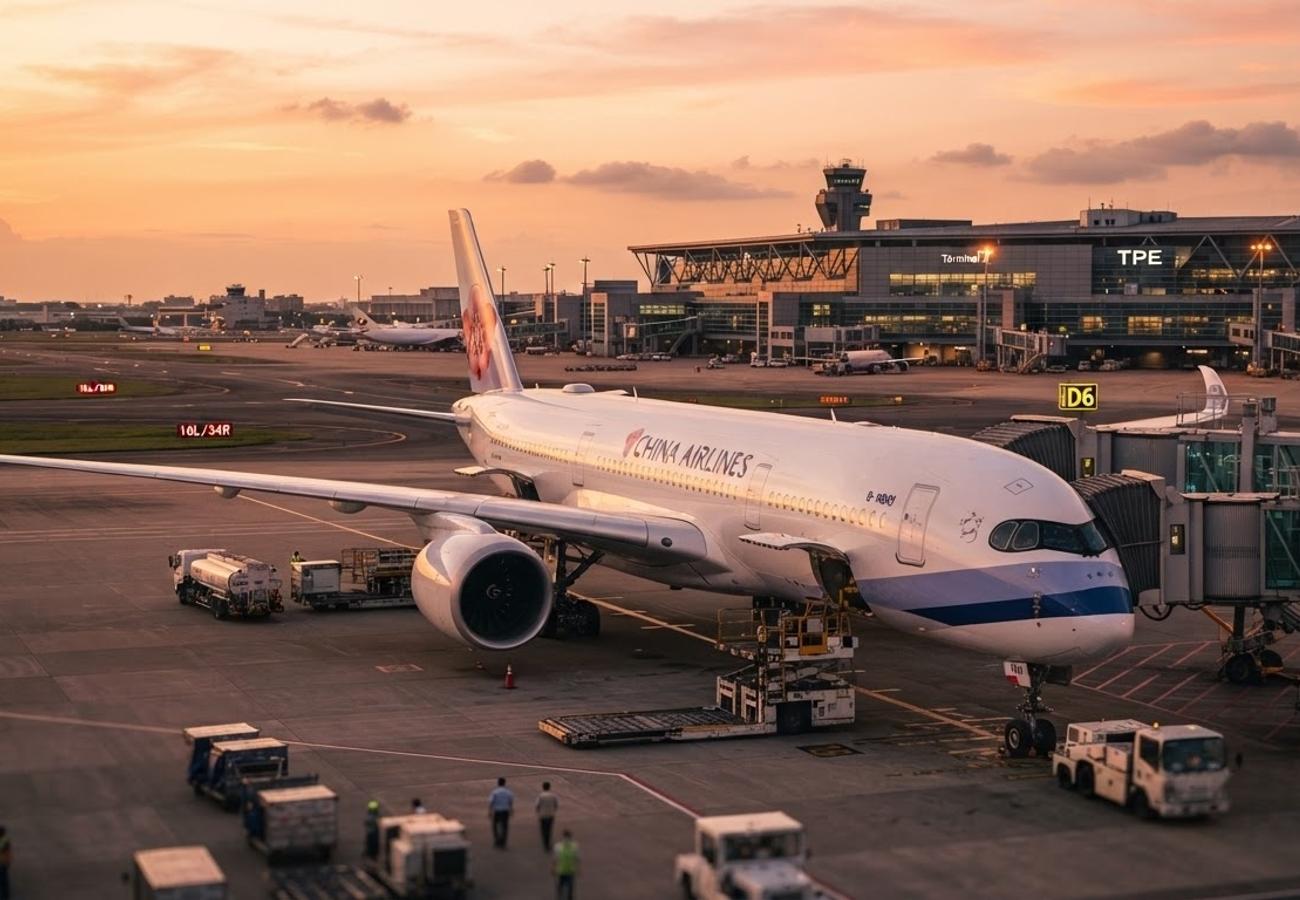
Image generated by AI
China Airlines has achieved a double-digit revenue spike in the first half of 2026, yet a volatile energy market and aggressive fleet growth have triggered a sharp decline in net income.
The Taiwanese carrier is currently navigating a paradoxical financial period where record-breaking top-line growth is being neutralized by escalating operational overheads. While the airline is successfully capturing a rebound in global travel demand, the cost of maintaining that growth is weighing heavily on its bottom line.
Revenue Growth Outpaces Profitability
Operating revenue for China Airlines climbed by 16.1 percent year-on-year during the first half of 2026. This growth is attributed to a sustained recovery in both regional and long-haul travel, paired with strong cargo yields across intra-Asia and transpacific corridors. This trend follows a record-breaking performance in the first half of 2025, signaling a robust post-pandemic trajectory.
However, this revenue surge has not translated into proportional profit. Net income has contracted compared to the previous year, as operating costs have risen at a steeper rate than earnings. To maintain its competitive edge in the crowded Asia-Pacific market, the airline has aggressively expanded capacity—a move that secures market share but increases exposure to fixed costs and external price shocks.
The Impact of Volatile Jet Fuel Markets
A primary driver of the profit squeeze is the sharp rebound in global jet fuel prices during the first six months of 2026. Geopolitical instability affecting crude oil supplies and refining spreads has pushed energy expenditures higher, which remains one of the carrier's most significant cost burdens.
Despite implementing fuel surcharges and adjusting fares on specific routes, the airline has been unable to pass the full cost of these spikes onto consumers. While China Airlines utilizes fuel hedging and operational efficiency programs to buffer against price swings, these tools provide only partial protection during rapid spot-price increases, leading to immediate margin compression.
Fleet Modernization and Financial Burdens
Beyond fuel, the airline's strategic pivot toward a newer fleet is creating a short-term financial drag. China Airlines is currently replacing older aircraft with next-generation models designed to lower unit fuel burn and reduce long-term maintenance requirements.
While these aircraft improve efficiency and cabin quality for long-haul and regional routes, they introduce immediate financial pressures:
- Increased Depreciation: New assets lead to higher depreciation charges on the income statement.
- Financing Costs: Debt-financed purchases have resulted in higher interest expenses.
- Lease Obligations: Modernization has increased overall lease expenditures.
This creates a "double-edged" financial scenario where the structural benefits of a modern fleet are offset by higher fixed costs in the immediate term.
Sustained Demand in Passenger and Cargo Sectors
Despite the profit dip, the underlying demand for China Airlines' services remains healthy. Traffic data for the Taiwan aviation market indicates strong performance in several key areas:
- Regional Hubs: Sustained demand across the Taiwan Strait, Northeast Asia, and Southeast Asia.
- Long-Haul Stability: Resilient passenger flows on North American routes.
- Cargo Resilience: Continued strength in transpacific lanes serving e-commerce and manufacturing hubs, though growth has moderated from the peak of global supply chain disruptions.
Yield management and an increase in ancillary sales have helped bolster unit revenue, providing a necessary cushion against the rising cost of operations.
Financial Performance Summary: H1 2026
| Metric | Performance Trend | Primary Driver |
|---|---|---|
| Operating Revenue | +16.1% (Year-on-Year) | Recovery in long-haul/regional travel & cargo yields |
| Net Income | Decreased | Rising fuel costs & fleet depreciation |
| Operating Costs | Increased (Steeper than revenue) | Jet fuel price spikes & aircraft financing |
| Passenger Demand | Strong/Stable | High load factors in North America & Asia |
| Cargo Performance | Supportive/Moderating | Transpacific e-commerce & manufacturing flows |
Strategic Outlook for the Remainder of 2026
The first half of the year highlights the difficulty of balancing aggressive growth with profitability in a volatile environment. The carrier's ability to recover its margins in the second half of 2026 will depend on three primary variables: the trajectory of jet fuel prices, global travel demand, and strict capacity discipline.
To stabilize the bottom line, the airline is expected to prioritize network optimization and tighter non-fuel cost controls. The ultimate goal is to convert strong top-line momentum into robust net income by extracting maximum value from its new, more efficient aircraft.
The balance between aggressive expansion and fiscal discipline will define China Airlines' success through the end of the year.
Related Travel Guides
Disclaimer
This article is for informational and educational purposes only. It does not constitute legal, financial, or professional advice. While we strive to provide accurate and up-to-date information, travel policies, regulations, and conditions change rapidly. Always verify information with official sources before making travel decisions. Nomad Lawyer makes no representations about the accuracy, reliability, completeness, or suitability of the information provided. Readers should consult qualified professionals for advice specific to their circumstances. The views expressed in this article are those of the author and do not necessarily reflect the views of Nomad Lawyer.
Preeti Gunjan
Contributor & Community Manager
A passionate traveller and community builder. Preeti helps grow the Nomad Lawyer community, fostering engagement and bringing the reader experience to life.
Learn more about our team →