
Chicago O'Hare Disruptions: 95 Delays Hit Major US Routes April 2026
Chicago O'Hare disruptions caused 95 flight delays and 7 cancellations on April 10, 2026, affecting Lufthansa, Air Canada, and Delta services across North American and international routes during peak travel hours.

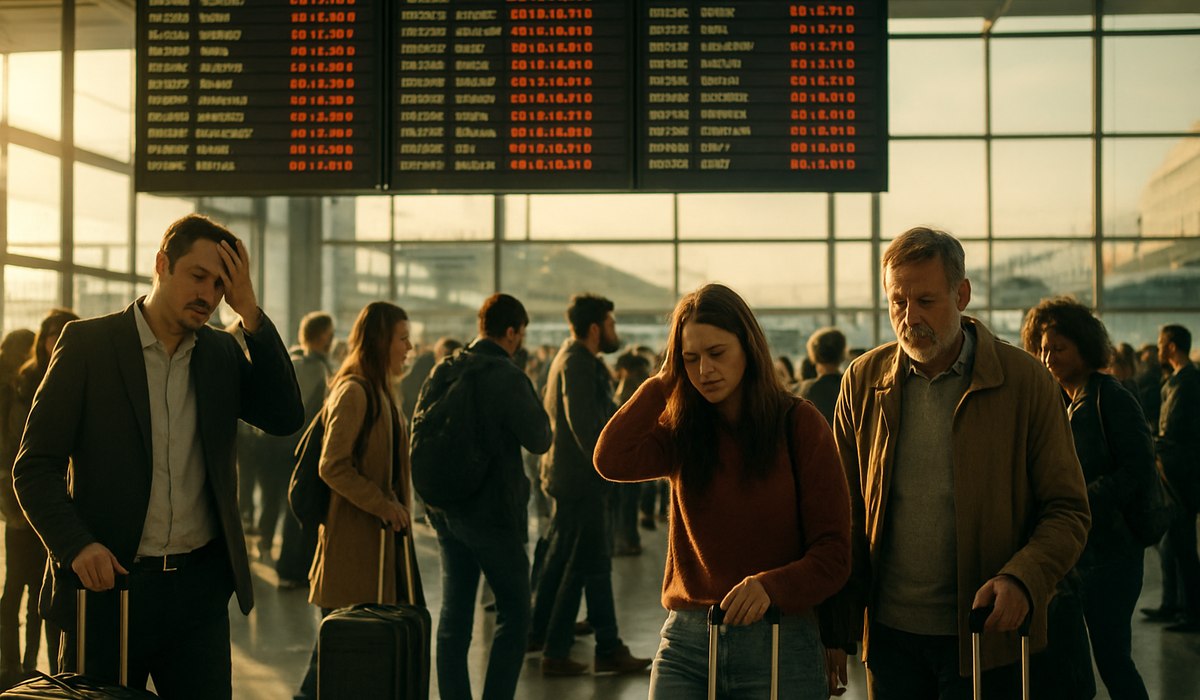
Image generated by AI
Major Disruption Sweeps Chicago O'Hare on Friday
Chicago O'Hare International Airport experienced significant operational strain on Friday, April 10, 2026, with approximately 95 flight delays and seven cancellations disrupting services across multiple carriers. The Chicago O'Hare disruptions primarily affected Lufthansa, Air Canada, Delta Air Lines, and partner operators on critical routes connecting Toronto, Atlanta, Frankfurt, and Montreal. Delays ranged from one to three hours during peak morning and afternoon windows, forcing airlines to implement extensive passenger rebooking protocols and alternative routing arrangements throughout the day.
Widespread Delays and Cancellations Hit Peak Travel Hours
The morning and early afternoon periods bore the brunt of the disruption at North America's third-busiest airport. Flight delays cascaded across the terminal complex as aircraft turnaround times compressed, creating a domino effect that persisted into evening operations. Tracking data revealed that departures scheduled between 10 a.m. and 4 p.m. experienced the most significant schedule pressure.
The clustering of delays during high-utilization windows overwhelmed gate capacity and ground handling resources. Airlines reported difficulties accommodating late-arriving aircraft while maintaining scheduled departure times for outbound flights. This operational squeeze is characteristic of major hub disruptions, where even moderate initial disruptions snowball into widespread schedule degradation across the entire day's operation.
Impact on Major Hubs and International Routes
Chicago O'Hare disruptions rippled across several critical airport pairs. Lufthansa's transatlantic services connecting Chicago with Frankfurt faced extended delays, affecting passengers on both mainline and codeshare bookings. Air Canada's domestic and cross-border operations between Chicago, Toronto, and Montreal experienced notable schedule compression throughout Friday.
Delta Air Lines' substantial Chicago-Atlanta operations felt particular pressure, as this domestic corridor represents one of the busiest regional connections in the United States. Delays from Chicago cascaded into Atlanta's connection bank, creating secondary disruptions across Delta's Southeast network. Passengers connecting through these hubs faced compressed connection times and elevated missed-connection risk during the afternoon.
Codeshare arrangements amplified passenger impact across booking channels. Travelers holding Lufthansa or Air Canada tickets often flew on aircraft operated by US-based partners, meaning disruptions to one carrier's schedule simultaneously affected multiple frequent flyer programs and reservation systems.
Rolling Disruption Across Aircraft Turnaround Times
The pattern of flight delays at O'Hare reflected classic hub-disruption dynamics. Morning delays compressed afternoon turnaround times, forcing aircraft to operate on abbreviated ground stops. Gate availability constraints during peak hours prevented normal servicing intervals, further delaying subsequent rotations.
Construction projects at the airport during spring 2026 further limited available gates and equipment staging areas. Increased taxi times from remote positions added minutes to each departure cycle. The Federal Aviation Administration subsequently indicated intentions to implement summer flight caps at O'Hare, reducing daily movements by approximately 10-15 percent to mitigate systemic congestion pressures.
Airlines implemented rolling delays rather than mass cancellations, suggesting operational conditions remained manageable despite passenger inconvenience. However, the distributed nature of delays across multiple carriers indicated no single system failure but rather cumulative capacity constraints typical of congested mega-hubs during high-demand periods.
Airline Response and Passenger Rebooking
All affected carriers activated standard disruption protocols, prioritizing rebooking on the earliest available flights to passenger destinations. Lufthansa processed significant numbers of passengers onto later Frankfurt and European hub connections. Air Canada established ground hotels for passengers with extended waits, particularly on cross-border services where overnight scenarios materialized.
Delta mobilized additional aircraft from its Atlanta hub to support Chicago operations, attempting to restore schedule adherence by evening departure banks. Customer service representatives across the terminal fielded rebooking requests with elevated volumes, leading to extended wait times at customer service desks.
Airlines waived change fees for affected passengers and offered meal vouchers during extended waits. Frequent flyer members received complimentary mileage awards on reboooked flights. However, many passengers experienced information gaps regarding delay causes and revised departure times, reflecting communication challenges inherent to rolling disruption events.
Chicago O'Hare Disruptions: Key Statistics Table
| Metric | Value | Impact |
|---|---|---|
| Total Flight Delays | 95 | Approximately 20-25% of daily departures |
| Flight Cancellations | 7 | Primarily evening rotations |
| Primary Affected Carriers | 4+ | Lufthansa, Air Canada, Delta, partners |
| Peak Disruption Window | 10 a.m.–4 p.m. | Morning bank + afternoon connections |
| Typical Delay Duration | 1–3 hours | Moderate to significant |
| Major Affected Routes | 8+ | Chicago-Toronto, Chicago-Atlanta, Chicago-Frankfurt |
| Estimated Passengers Impacted | 12,000–15,000 | Conservative estimate |
| Root Cause Classification | Operational/Capacity | No airfield closure; hub congestion |
What This Means for Travelers
Passengers should take specific actions when navigating Chicago O'Hare disruptions in the future:
-
Build connection buffers. Book connecting flights through O'Hare with minimum two-hour layovers during peak seasons, avoiding tight same-terminal transfers.
-
Monitor real-time status. Download airline apps and FlightAware to receive advance notifications of delays, allowing proactive rebooking before customer service queues develop.
-
Understand codeshare implications. Verify which airline actually operates your flight, as booking on partner carriers may complicate rebooking options during irregular operations.
-
Verify travel documents. Ensure passports and international travel documents remain valid, as rebooking to significantly delayed flights may cross midnight or change travel dates.
-
Consider alternative routings. When disruption strikes, request rebooking via alternative hubs (Denver, Dallas, Minneapolis) to expedite reaching your destination.
-
Know your rights. US Department of Transportation regulations entitle passengers to meals, communications, and hotel accommodations for carrier-caused delays exceeding specific thresholds.
Frequently Asked Questions About Chicago O'Hare Disruptions
Q: What caused the April 10 Chicago O'Hare disruptions?
A: The disruptions resulted from cumulative capacity constraints during peak operational windows rather than a single system failure. Gate availability, aircraft turnaround compression, and high utilization rates created rolling delays that cascaded throughout the day. Construction projects and seasonal congestion contributed to the underlying strain.
Q: Which airlines were most affected by Friday's disruptions?
A: Lufthansa, Air Canada, and Delta experienced the most visible disruptions on transatlantic, cross-border, and domestic routes respectively. Partner carriers operating codeshare flights also faced schedule pressure. Air Canada's Toronto service and Delta's Atlanta connection were particularly impacted.
Q: How can I protect my connection if flying through O'Hare?
A: Book connections with minimum two-hour layovers, verify real-time flight status before traveling, and consider alternative hubs during high-season months. Choose earlier departure times when possible to avoid peak afternoon disruption windows and compressed turnaround periods.
Q: Will Chicago O'Hare implement restrictions to prevent future disruptions?
A: The FAA has indicated summer 2026 flight caps at O'Hare, reducing daily movements to improve schedule reliability. Infrastructure improvements and gate expansions continue, though construction itself temporarily reduces available capacity during implementation phases.
Q: What passenger protections apply during airline-caused delays?
A: DOT regulations require carriers to provide meals, communications access, and hotel accommodations for delays exceeding specific thresholds.
Disclaimer
This article is for informational and educational purposes only. It does not constitute legal, financial, or professional advice. While we strive to provide accurate and up-to-date information, travel policies, regulations, and conditions change rapidly. Always verify information with official sources before making travel decisions. Nomad Lawyer makes no representations about the accuracy, reliability, completeness, or suitability of the information provided. Readers should consult qualified professionals for advice specific to their circumstances. The views expressed in this article are those of the author and do not necessarily reflect the views of Nomad Lawyer.
Preeti Gunjan
Contributor & Community Manager
A passionate traveller and community builder. Preeti helps grow the Nomad Lawyer community, fostering engagement and bringing the reader experience to life.
Learn more about our team →