
Charleston Airport Operations Collapse: 28 Flight Delays, 6 Cancellations Strike Major Hub—Airlines Including Delta, Southwest, Endeavor Air Hit Hard
Charleston International Airport (CHS) experiences major operational disruption with 28 flight delays and 6 cancellations affecting thousands of passengers. Endeavor Air reports 27% cancellation rate, Republic Airways faces 13% cancellations, and eight additional carriers struggle with scheduling chaos impacting regional and national connectivity.

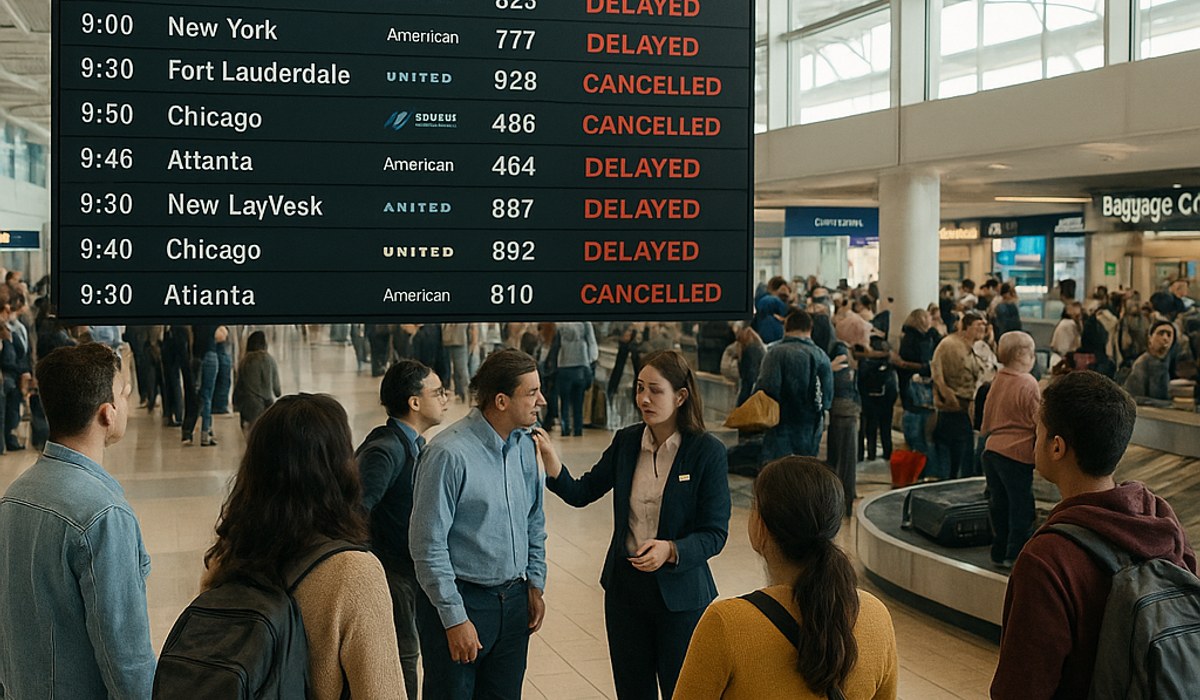
Image generated by AI
QUICK SUMMARY
- Charleston International Airport experienced 28 flight delays and 6 cancellations in a single operational day
- Endeavor Air most severely impacted with 27% of flights cancelled and 18% delayed
- Republic Airways recorded 13% cancellation rate across its Charleston operations
- Eight additional carriers faced scheduling disruptions affecting connectivity to major US hubs
- Tourism and business travel sectors face cascading ripple effects from the disruption
Charleston's Major Aviation Hub Descends into Operational Crisis as Multiple Airlines Struggle
A perfect storm of operational challenges overwhelmed Charleston International Airport, creating travel chaos that rippled across the Southeast and beyond. With 28 delayed flights and six cancellations in a single day, the airport demonstrated how quickly regional hub operations can cascade into passenger nightmares. Travelers booked on multiple affected carriers found themselves stranded, rerouted, or facing hours of unexpected delays. For a city whose economy depends heavily on reliable air connectivity, the disruption signals deeper vulnerabilities in the nation's aviation infrastructure.
Charleston International serves as a critical connection point for leisure travelers heading to the Caribbean, business professionals connecting to major hubs, and international tourists visiting historic coastal regions. When this airport experiences operational failure, the impact extends far beyond terminal walls.
The Scope of Disruption: Which Airlines Suffered Most
Operational challenges affected a wide swath of carriers using Charleston's facilities, but some airlines experienced significantly more disruption than others.
Endeavor Air's Severe Impact: Endeavor Air emerged as the hardest-hit carrier, with 27% of its Charleston-based flights cancelled and an additional 18% experiencing delays. For passengers holding Endeavor Air tickets, the day became a race against time to find alternative routing or secure rebooking. This disproportionate impact on a single carrier suggests airline-specific operational challenges rather than universal airport infrastructure issues.
Republic Airways Significant Disruptions: Republic Airways reported 13% of its scheduled flights cancelled, with 18% facing delays. Similar to Endeavor Air's challenges, Republic's numbers indicate potential crew scheduling shortages, aircraft availability issues, or maintenance complications specific to their operation.
PSA Airlines (American Partner) Results: PSA Airlines, operating regional flights for American Airlines, reported 25% of flights delayed with no cancellations—suggesting the company managed to execute most scheduled flights despite significant timing challenges.
Delta and Southwest Operations: Delta Airlines demonstrated better operational control with delays recorded but no cancellations at Charleston that day. Southwest Airlines reported 18% of flights delayed, indicating capacity and scheduling stress but maintained its cancellation-free operational record at this location.
Other Affected Carriers:
- United Airlines: Single delayed flight with no cancellations
- American Airlines: 14% of flights delayed
- Breeze Airways: 15% of flights delayed
Understanding the Cascading Impact: Beyond the Numbers
The statistics alone don't capture the human experience of 28 delays and six cancellations. Each delay represents stranded passengers, missed connections, and ripple effects throughout the day's entire schedule.
Delay Multiplication Effect: When a morning flight gets delayed by two hours, afternoon connections built on that morning arrival suddenly fail. Passengers scheduled to connect through other hubs find themselves isolated. Hotels must be rebooked, rental cars held longer, and business meetings cancelled.
Cancellation Realities: Six complete cancellations meant roughly 900-1,200 passengers (assuming medium-size regional aircraft) required immediate rebooking. In a day when 28 other flights operated delayed, rebooking options became scarce. Some passengers faced 24+ hour delays before securing alternative routing.
Regional Connectivity Collapse: Charleston serves as a hub for connections to Atlanta, Charlotte, Washington DC, Dallas, and other major centers. Disruptions ripple through the entire regional network as missed connections cascade through connecting flights.
Why Charleston Airport Experienced Operational Crisis
While airport officials rarely pinpoint a single failure cause, several systemic factors typically combine to create operational chaos:
Staffing and Crew Scheduling Challenges: Airlines operating thin crew margins face inevitable collapse when unexpected events occur. Crew duty regulations limit consecutive flight operations. Crew illness, maintenance emergencies, or previous-day cancellations leave insufficient staff for full schedule execution.
Aircraft Availability and Maintenance: Unscheduled aircraft maintenance or unexpected mechanical issues reduce available seats. Airlines must combine routes or cancel flights rather than operate at reduced capacity per regulatory requirements.
Ground Operations Congestion: Baggage handling bottlenecks, catering delays, or fueling system issues cascade through schedules. A 15-minute delay at gate operations multiplies when occurring across multiple simultaneous flights.
Regional Weather Patterns: Severe weather in nearby regions (Atlanta thunderstorms, Charlotte wind shear) can produce secondary effects at Charleston even without local precipitation—through missed crew connections or delayed aircraft positioning.
Fuel Prices and Economic Pressure: Rising operational costs sometimes force carriers to consolidate flights, canceling lower-load capacity operations.
Impact on Charleston's Tourism and Economic Engine
Charleston's economy depends fundamentally on reliable air service. Tourist arrivals, business meetings, and convention attendance all require operational consistency.
Tourism disruptions at Charleston affect multiple economic sectors:
Hotel Industry Effects: Guests delayed 24 hours represent lost room revenue or last-minute cancellations. During peak seasons, Charleston hotels operate at near-capacity. Disrupted passengers often abandon plans rather than wait, creating revenue loss.
Attraction and Restaurant Impact: Delayed tourist arrivals shift visit schedules, reducing peak-hour restaurant revenues and attraction attendance. Restaurants lose dinner covers; attractions lose operating-hour visitors.
Business Travel Revenue: Conference attendees, corporate meetings, and business travel represent high-value passengers. Missed connections create missed business opportunities and damaged professional relationships.
Ground Transportation Effects: Hotel shuttles, rental car companies, and ground transportation operators anticipate specific arrival patterns. Unexpected delays create operational friction and stranded vehicle fleets.
What Passengers Should Know: Practical Guidance for Air Travelers
For travelers flying through Charleston or any airport experiencing disruption, advance preparation significantly reduces travel stress.
Before Your Flight:
- Monitor airline emails and SMS alerts for advance disruption warnings
- Verify your airline's rebooking policies before travel
- Maintain flexible itineraries when possible (avoid tight connections through disrupted airports)
- Consider purchasing travel insurance that covers airline-caused delays
During Disruption:
- Contact your airline immediately rather than waiting for announcements
- Ask rebooking agents about alternative airlines, not just your booked carrier
- Document delays exceeding 2+ hours for potential EU261-equivalent compensation claims
- Use airline mobile apps to track real-time flight status changes
- Stay hydrated and manage expectations—airport staff often have limited information
After Cancellations or Major Delays:
- Request written confirmation of delay duration for insurance claims
- Save all receipts for meals, hotels, or alternative transportation
- File compensation claims if eligible under applicable regulations
- Consider submitting feedback to both your airline and the airport authority
FAQ: Questions About Charleston Airport Operations and Travel Rights
Q: Can I get compensation for flight delays at Charleston? A: Compensation eligibility depends on your airline's origin country and delay duration. International flights from US carriers may fall under different rules than domestic operations. Contact your airline directly with documentation of the delay.
Q: Why don't airports prevent these operational disruptions? A: Airports provide facilities and manage ground operations, but airlines control scheduling, crew management, and maintenance. Airports have limited authority to mandate airline operational choices. Some disruptions (weather, mechanical issues) remain beyond preventive control.
Q: How does Charleston compare to other major airports for operational reliability? A: Regional hubs like Charleston experience disruption differently than mega-hubs like Atlanta or Dallas. Smaller carrier operations concentrate risk—when Endeavor Air struggles, all passengers on that carrier face impacts simultaneously.
Q: Should I rebook immediately if my flight gets delayed? A: Contact your airline first. They often have better rebooking options than passengers securing alternatives independently. Airline rebooking ensures you maintain legal protections regarding compensation and liability.
Q: Will this disruption affect upcoming flights through Charleston? A: Typically no—airlines and airports implement recovery protocols overnight. Expect additional buffers in scheduling for 24-48 hours as operations normalize, resulting in potential minor delays but not systematic disruption.
Looking Forward: Charleston Airport's Path to Operational Stability
The Charleston International disruption exemplifies challenges facing regional aviation hubs across America. As carrier consolidation reduces regional airline competition and staffing challenges persist, operational stability remains elusive.
Passengers booking Charleston routes should monitor weather forecasts, verify crew scheduling rumors, and maintain flexible alternatives. The airport's recovery from this disruption will depend on whether systemic issues (crew staffing, maintenance prioritization, aircraft positioning) receive attention from industry management.
Travel through Charleston remains viable, but informed passengers build contingencies into their itineraries—acknowledging that regional hub operations remain vulnerable to cascading failures in ways mega-hubs can better absorb.
Disclaimer
This article is for informational and educational purposes only. It does not constitute legal, financial, or professional advice. While we strive to provide accurate and up-to-date information, travel policies, regulations, and conditions change rapidly. Always verify information with official sources before making travel decisions. Nomad Lawyer makes no representations about the accuracy, reliability, completeness, or suitability of the information provided. Readers should consult qualified professionals for advice specific to their circumstances. The views expressed in this article are those of the author and do not necessarily reflect the views of Nomad Lawyer.
Raushan Kumar
Founder & Lead Developer
Full-stack developer with 11+ years of experience and a passionate traveller. Raushan built Nomad Lawyer from the ground up with a vision to create the best travel and law experience on the web.
Learn more about our team →