
Certares and Clearview Acquire Hyatt Regency Savannah Riverfront: Major Hospitality Investment 2026
Institutional investors Certares and Clearview close major acquisition of Hyatt Regency Savannah Riverfront, signaling strong confidence in US heritage tourism and southeastern hospitality markets in 2026.

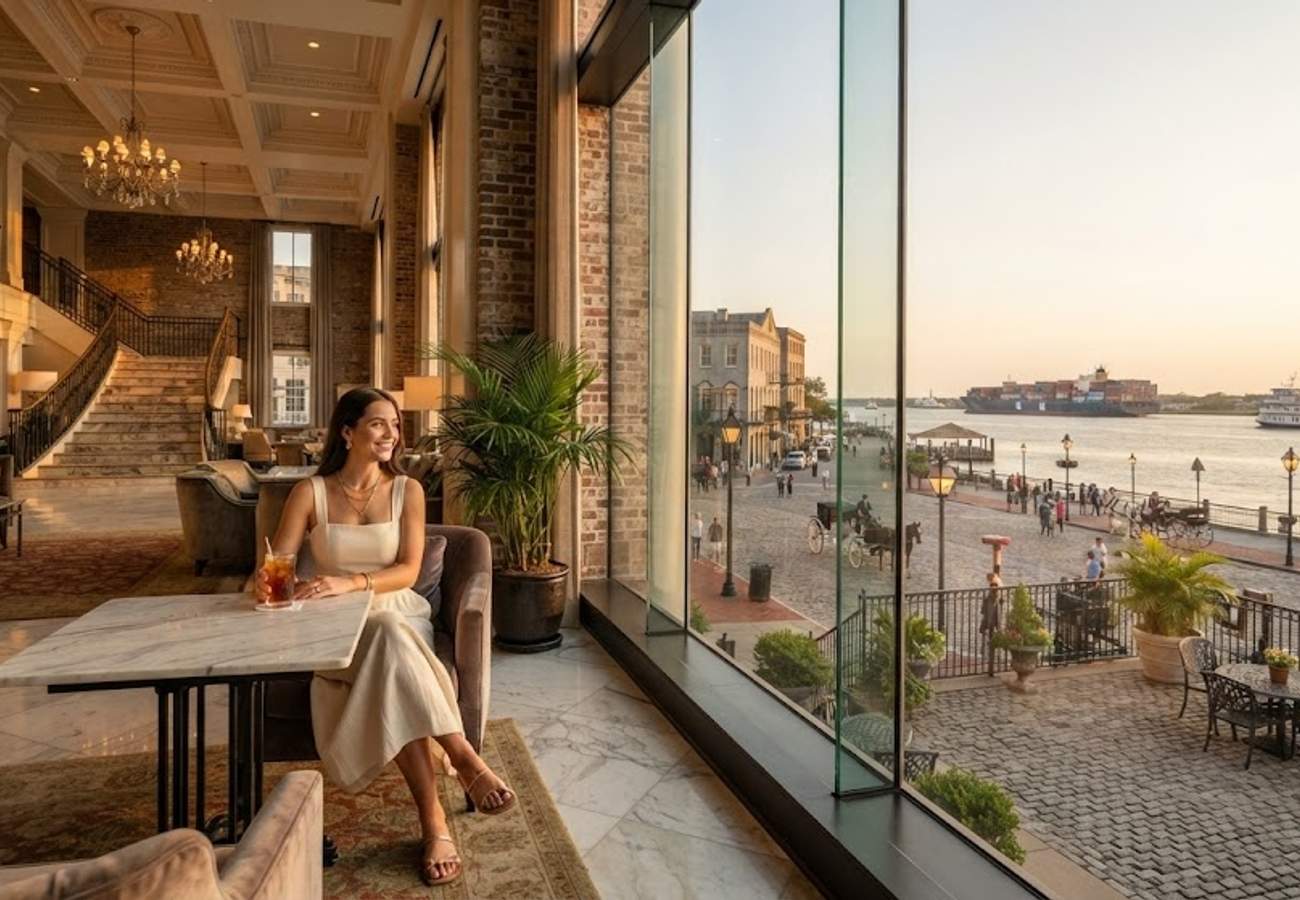
Image generated by AI
Institutional Investors Make Major Play in Savannah's Historic Riverfront Market
Certares and Clearview have closed a significant acquisition of the Hyatt Regency Savannah Riverfront, a flagship property commanding one of the most coveted positions along the city's historic River Street waterfront. The transaction represents a decisive institutional bet on the enduring appeal of heritage tourism destinations in the American Southeast—and on Savannah's dual-demand advantage: leisure travelers seeking historic charm and business professionals leveraging the region's logistics and trade infrastructure.
This move doesn't happen in a vacuum. It signals something larger happening in US hospitality real estate: institutional capital is pouring into cities where tourism infrastructure meets genuine economic diversification.
Why Savannah? Geography, History, and Port Economics
Savannah sits at an enviable intersection of tourism appeal and hard-nosed economic drivers. The city has spent decades preserving its 18th and 19th-century architecture—think moss-draped oak trees, historic squares, and cobblestone streets that draw millions of leisure travelers annually.
But here's what makes it truly strategic: the Port of Savannah is one of the busiest container ports on the US East Coast. Business travel demand doesn't fluctuate with seasonal holidays; it flows consistently from corporate conferences, logistics executives, and trade-related visits tied to regional supply chains.
Reddit: "Savannah is one of those rare US cities where you can have a romantic weekend AND conduct serious business. The Hyatt's location is unbeatable for both." — r/travel
The Savannah Convention Center has undergone substantial expansion, further strengthening demand from meetings, incentive travel, and large corporate events. Combined with leisure tourism, this creates what hospitality investors call "demand diversification"—the holy grail of hotel asset fundamentals.
The Property: A Cornerstone Asset in American Hospitality
The Hyatt Regency Savannah isn't a modest boutique property. It's a full-service, large-scale hospitality asset with extensive meeting facilities, multiple dining and beverage outlets, and significant room inventory. Its positioning directly on River Street—one of the most visited historic districts in the United States—provides guests immediate access to cultural landmarks, riverfront promenades, and the tourism attractions that define Savannah's visitor economy.
For investors, this translates to consistent occupancy, premium room rates, and robust food-and-beverage revenue. For travelers, it means staying within walking distance of everything that makes Savannah worth visiting.
The Broader Trend: Institutional Capital Chasing Heritage Destinations
The Certares-Clearview acquisition fits squarely within a wider institutional investment thesis: acquire high-performing hotel assets in heritage and coastal cities with stable, long-term occupancy fundamentals.
Why? Because hospitality real estate in established tourism destinations has proven more resilient to market volatility than speculative development in secondary markets. Savannah's combination of preserved history, walkable urban design, strong cultural identity, and diversified demand sources makes it precisely the type of market institutional investors target for long-term hold strategies.
These strategies typically prioritize:
- Strong brand recognition (Hyatt fits this squarely)
- High occupancy potential driven by multiple visitor segments
- Proximity to convention and tourism infrastructure
- Reduced seasonal volatility through business travel demand
- Long-term appreciation potential in established markets
What Happens Now: Modernization and Guest Experience
Following any major institutional acquisition, expect modernization. US hospitality redevelopment trends increasingly focus on experiential stays—integrating local cultural authenticity with contemporary service standards.
In Savannah's case, this likely means guest room upgrades, enhanced public amenities, and perhaps new dining concepts that celebrate Lowcountry cuisine and regional culture. The goal is maintaining competitive positioning within the upscale segment while deepening the property's connection to its historic setting.
The property will continue operating as a Hyatt Regency—the brand relationship remains—but under new ownership with fresh capital for reinvestment.
What This Signals About US Hospitality in 2026
This acquisition is more than a single hotel deal. It's institutional capital voting with conviction on:
- Sustained leisure travel demand in America's historic destinations
- Business travel resilience tied to regional economic centers
- Confidence in brand-affiliated properties within major markets
- The enduring value of location—Savannah's riverfront advantage isn't replicable
As Savannah continues strengthening its role as a premium southeastern US tourism destination, acquisitions like this underscore why heritage cities remain strategically important within the global travel and hotel investment landscape. When institutional investors see a strong brand, diversified demand, and geographic advantage, capital moves—and moves decisively.
The strongest hotel investments aren't flashy; they're logical.
Related Travel Guides
Disclaimer
This article is for informational and educational purposes only. It does not constitute legal, financial, or professional advice. While we strive to provide accurate and up-to-date information, travel policies, regulations, and conditions change rapidly. Always verify information with official sources before making travel decisions. Nomad Lawyer makes no representations about the accuracy, reliability, completeness, or suitability of the information provided. Readers should consult qualified professionals for advice specific to their circumstances. The views expressed in this article are those of the author and do not necessarily reflect the views of Nomad Lawyer.
Preeti Gunjan
Contributor & Community Manager
A passionate traveller and community builder. Preeti helps grow the Nomad Lawyer community, fostering engagement and bringing the reader experience to life.
Learn more about our team →