
How Riyadh is Advancing Diriyah Heritage Tourism and Desert Eco-Conservation Projects Amid Rescheduled Flight Resumptions in 2026
Cathay Pacific postpones the restart of its Middle East services, scheduling Hong Kong-Dubai flights for October 25 and Hong Kong-Riyadh flights for October 26, 2026.

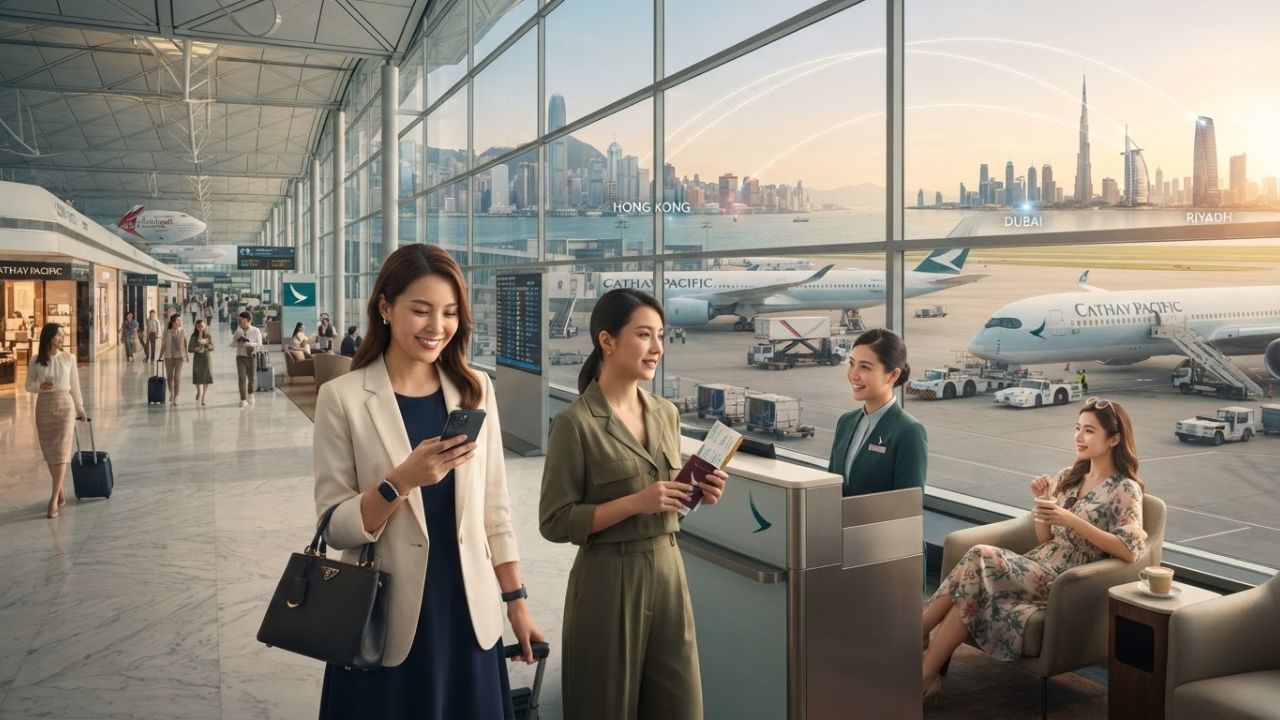
Image generated by AI
How Riyadh is Advancing Diriyah Heritage Tourism and Desert Eco-Conservation Projects Amid Rescheduled Flight Resumptions in 2026
Cathay Pacific has rescheduled the resumption of its Middle East services, delaying its return to the Gulf market. Direct flights from Hong Kong to Dubai and Riyadh will now restart in late October 2026.
The Local Trend Revealed
To manage fleet utilization and adapt to the regional operating environment, Cathay Pacific has revised the restart dates for its passenger services to the Middle East. Originally scheduled to resume on September 1, 2026, the direct routes connecting Hong Kong International Airport with major Gulf transit points have been shifted by nearly two months:
- Hong Kong to Dubai (DXB): Daily passenger services will now resume on October 25, 2026.
- Hong Kong to Riyadh (RUH): Outbound flights operating four times per week will resume on October 26, 2026.
This delay affects both passenger bookings and belly-hold cargo space on these routes. The rescheduled flights mean business travelers and tourists connecting between East Asia and the Gulf region should confirm their booking status and explore alternative connection options via existing carriers during the interim period.
Cultural & Environmental Value (Information Gain)
Direct flight corridors support carbon reduction goals by replacing multi-stop itineraries with fuel-efficient direct routes. This regional transit corridor is supported by the Saudi Tourism Authority (STA) and the Diriyah Gate Development Authority (DGDA).
To balance the growth of international visitor arrivals, Riyadh has implemented sustainable tourism initiatives that direct passenger spending toward heritage preservation and desert conservation. The municipality works with regional conservation bodies to fund restoration projects at the historic Ad Diriyah district (At-Turaif), a UNESCO World Heritage site made of traditional mud-brick palaces. By encouraging travelers to use public transit systems, buy from local spice and date merchants at souks, and hire certified community guides, Saudi Arabia helps minimize the environmental footprint of tourism while sustaining rural communities.
Visitor Insider Tips
For travelers exploring Riyadh or managing a travel schedule during these route adjustments, these expert recommendations will help you experience the capital's heritage and natural sites sustainably.
- Off-Peak Visit Window: Plan your visit to Riyadh during the winter months from November to February to enjoy comfortable, cool weather for exploring historic districts and hiking in the desert.
- Observe Cultural Dress Codes: Respect local traditions by dressing modestly in public places. Wear loose-fitting clothing that covers your shoulders and knees when visiting historic areas, and ask permission before taking photographs of local residents.
- Explore Ad Diriyah Heritage Site: Walk through this birthplace of the first Saudi state. It features restored mud-brick palaces, traditional museums, and heritage artisan workshops, providing a detailed look at Najdi architecture.
- Try Traditional Najdi Culinary Specialties: Visit independent local eateries to try Kabsa (spiced rice cooked with chicken or lamb), slow-cooked Jareesh (crushed wheat prepared with yogurt), and sweet dates served with Arabic coffee.
- Visit the Edge of the World: Hike along these sheer cliffs of the Tuwaiq Escarpment for eco-tourism views of the ancient desert plains, taking care to stay on marked trails to protect the fragile desert ecosystem.
Tourism Outlook
The planned October return of direct flights between Hong Kong, Dubai, and Riyadh represents an important step in restoring connectivity between East Asia and the Gulf. As Riyadh continues to expand its tourism infrastructure and host international business summits, direct flight corridors will play a key role in supporting the Kingdom's economic goals. Over the long term, these service standards will support the development of sustainable tourism, ensuring Saudi heritage sites remain accessible to global travelers.
Related Travel Guides
How Emirates is Advancing Cabin Comfort and Fleet Retrofitting Projects in 2026
Disclaimer
This article is for informational and educational purposes only. It does not constitute legal, financial, or professional advice. While we strive to provide accurate and up-to-date information, travel policies, regulations, and conditions change rapidly. Always verify information with official sources before making travel decisions. Nomad Lawyer makes no representations about the accuracy, reliability, completeness, or suitability of the information provided. Readers should consult qualified professionals for advice specific to their circumstances. The views expressed in this article are those of the author and do not necessarily reflect the views of Nomad Lawyer.
Kunal K Choudhary
Co-Founder & Contributor
A passionate traveller and tech enthusiast. Kunal contributes to the vision and growth of Nomad Lawyer, bringing fresh perspectives and driving the community forward.
Learn more about our team →