
Carnival Cruise Line Modernizes Dining While Protecting Ship Traditions in 2026
Carnival Cruise Line balances innovation with tradition by introducing flexible dining options, faster meal service, and anytime dining while preserving shared table culture at sea.

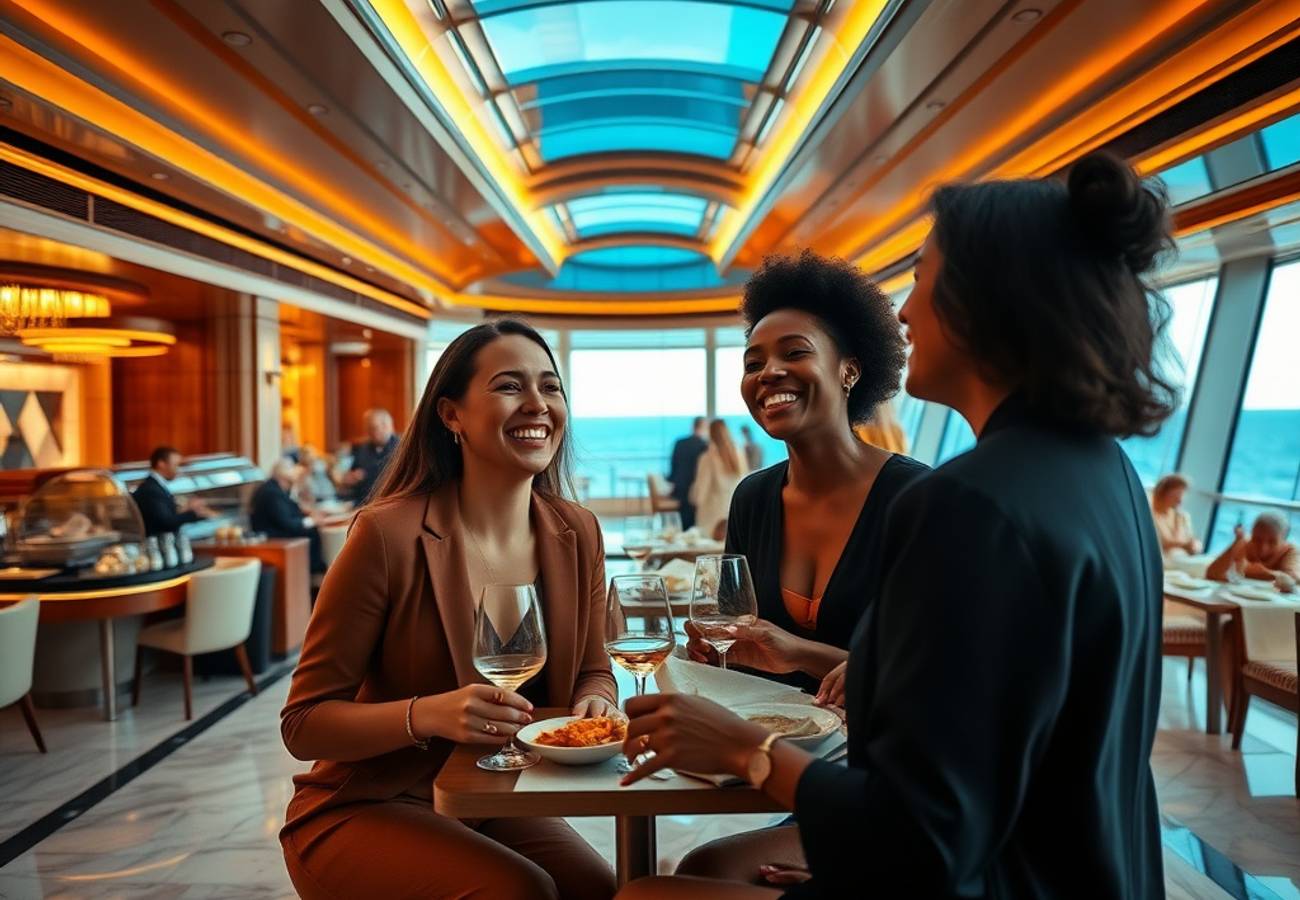
Image generated by AI
Carnival Cruise Line is quietly reshaping how millions of passengers experience meals at sea—and the industry is watching closely. The cruise giant has engineered a dining revolution that sounds impossible: keeping tradition alive while delivering the speed and flexibility that modern travelers demand.
I've watched cruise operators struggle with this exact tension for years. Formal dining rooms packed with passengers in tuxedos and evening gowns used to define the ocean voyage. But today's travelers? They want control, choice, and convenience. Carnival found the answer: give them both.
How Modern Travelers Changed the Cruise Dining Game
The cruise industry built its reputation on structure. Fixed seating times. Assigned tables. Seven-course dinners that stretched across three hours. These weren't just meals—they were rituals that defined the entire cruise experience.
Then everything shifted.
Younger passengers, busy professionals, and families with children started viewing strict dining schedules as constraints rather than perks. According to industry trend data, nearly 60% of modern cruise passengers now prioritize flexible scheduling over formal tradition. They wanted to catch shows, explore deck entertainment, or simply rest without racing back to the dining room at 6 PM sharp.
Reddit: "The fixed dining time used to stress me out. Now I can grab dinner whenever I want, and honestly, that's why I cruise more often." — r/cruising
Carnival Cruise Line listened. The company recognized that preserving tradition didn't mean rejecting innovation—it meant layering options on top of heritage practices.
The New Dining Architecture: Speed Without Sacrificing Quality
Faster dining service has emerged as the headline innovation aboard Carnival ships. But here's what matters: these aren't quick-service fast-food meals. They're carefully plated, multi-course dinners compressed into efficient timeframes through smarter service choreography.
Appetizers arrive promptly. Main courses follow without excessive gaps. Desserts conclude the experience in roughly 60-75 minutes instead of the traditional 120-150 minute commitment. The menu structure remains intact. The culinary quality stays consistent. The pressure valve on the passenger's schedule finally opens.
Families particularly embrace this shift. Parents can enjoy a proper meal while still making their kids' 8 PM kids' club programs. Business travelers can dine elegantly and return to staterooms to answer emails. Solo cruisers can linger or rush—their choice.
Anytime Dining: Control Returns to the Traveler
The most transformative addition is anytime dining—exactly what the name suggests. Passengers can now arrive at designated dining rooms during operating hours and order at their convenience. No reservation window. No assigned seating slot. No rigid schedule hanging over the voyage experience.
This option particularly resonates with cruisers who view meals as secondary to other shipboard activities. Rather than forcing passengers to choose between dinner and evening entertainment, Carnival eliminated the choice conflict entirely.
Yet something remarkable happened when the company implemented this flexibility: passengers still chose the formal dining rooms and structured meals. Many of them. The tradition didn't collapse under the weight of choice. Instead, it became optional—which paradoxically made it more valuable to those who genuinely appreciated it.
Shared Tables: The Social Glue of Cruise Culture
Here's the element that mainstream travel media rarely discusses: shared table dining remains one of cruising's most underrated features. Nowhere else in modern travel do strangers consistently gather nightly to share meals, stories, and cultural perspectives.
Carnival Cruise Line continues to offer shared seating arrangements for passengers who explicitly request them. These tables—typically seating 6-8 guests—create organic social networks that often extend beyond the voyage itself.
Travel journalists often miss this angle. Yes, dining innovation matters. But the conversation happens at these tables. Friendships form. Travel stories exchange. That 65-year-old widow from Ohio discovers she loves hearing about her tablemate's architectural firm in Singapore. The retired couple from Melbourne finds themselves in a heated but friendly debate about international politics with a family from Madrid.
This social infrastructure—rooted in maritime tradition—remains largely unchanged even as service models modernize.
The Hybrid Model: Something for Every Traveler
Carnival's approach reflects genuine sophistication in travel operations. Rather than replacing tradition with modernity, the company created a portfolio of dining experiences coexisting aboard the same ship.
Want formal, elegant, shared-table dining at a fixed time? Available.
Prefer flexible hours without schedule pressure? That option exists.
Need quick, efficient meals that don't interrupt your day? The faster service model delivers.
Travel solo and value social connection? Book a shared table. Traveling as a couple who wants privacy and flexibility? Anytime dining solves that equation.
This isn't compromised, half-measures design. It's customer-centric operational architecture.
Why Dining Matters More Than You Think
Maritime culture treats meals as ceremonial. Dinnertime aboard ship has historically symbolized transition—marking the boundary between adventure and community, between exploration and belonging.
Even as Carnival Cruise Line modernizes service delivery, this fundamental purpose persists. Passengers still rank dining as one of the top three elements of their cruise satisfaction, alongside entertainment and destinations.
The company continues investing in themed dinners, diverse menus reflecting global cuisines, and culinary programming that transforms eating into experience-making rather than mere fuel consumption.
The Bigger Picture: Travel Evolution at Sea
Cruise dining evolution aboard Carnival ships mirrors a larger transformation occurring across hospitality and leisure travel globally. Modern travelers increasingly reject false choices between convenience and authenticity, speed and substance, tradition and innovation.
The cruise industry—specifically operators like Carnival—is demonstrating that these opposing forces can coexist. You don't sacrifice heritage to accommodate modern lifestyles. You layer flexibility onto tradition, creating choice architecture that serves diverse passenger profiles.
As cruise travel continues its expansion (industry projections suggest 14+ million annual cruisers by 2028), dining will remain the experience anchor. The ability to honor maritime dining culture while delivering 21st-century flexibility ensures Carnival Cruise Line stays relevant to emerging traveler demographics.
The dining room at sea isn't disappearing. It's becoming something richer: a space where tradition, innovation, and personal preference finally converge.
The future of cruise dining isn't about choosing between the old ways and the new ones—it's about honoring both simultaneously.
Related Travel Guides
Disclaimer
This article is for informational and educational purposes only. It does not constitute legal, financial, or professional advice. While we strive to provide accurate and up-to-date information, travel policies, regulations, and conditions change rapidly. Always verify information with official sources before making travel decisions. Nomad Lawyer makes no representations about the accuracy, reliability, completeness, or suitability of the information provided. Readers should consult qualified professionals for advice specific to their circumstances. The views expressed in this article are those of the author and do not necessarily reflect the views of Nomad Lawyer.
Preeti Gunjan
Contributor & Community Manager
A passionate traveller and community builder. Preeti helps grow the Nomad Lawyer community, fostering engagement and bringing the reader experience to life.
Learn more about our team →