
The Canadian Pricing Squeeze: Why a 10% Drop in South American Travelers Is Reshaping North American Holiday Budgets
With international arrivals from Brazil and South America dropping 10% in August amid high flight costs and inflation, here is how travelers can navigate Canadian travel on a smarter budget.

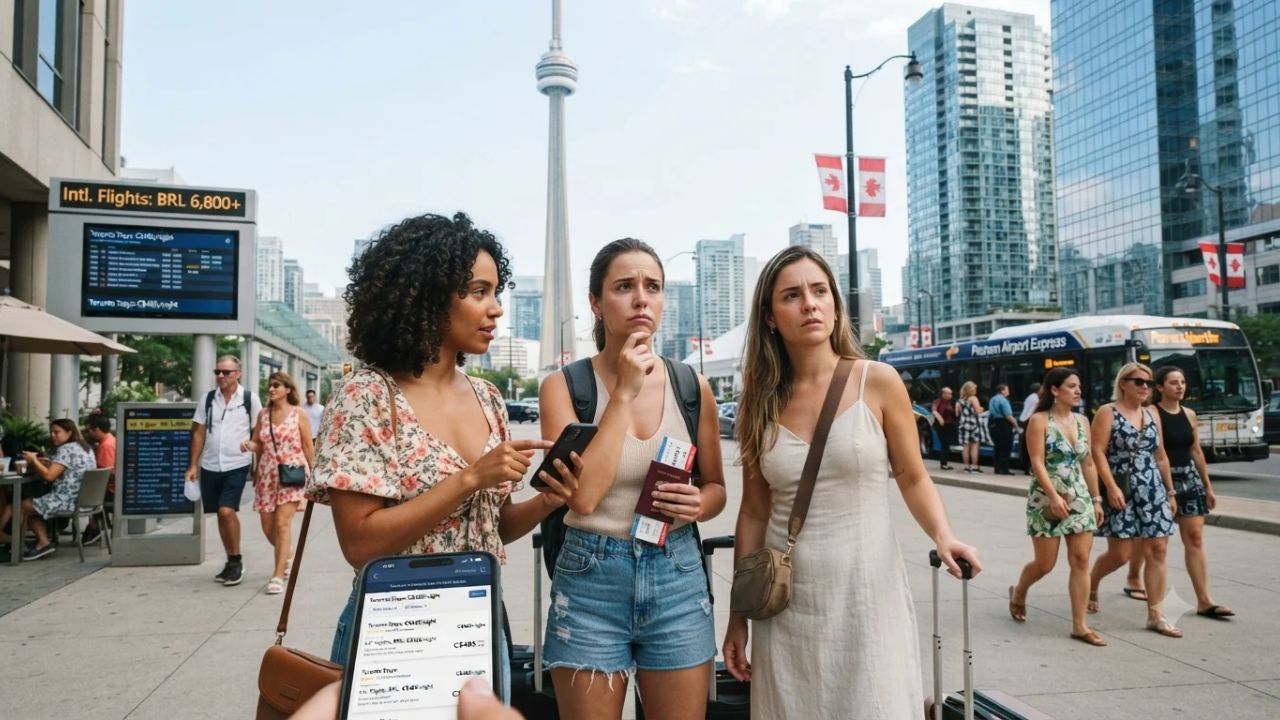
While August traditionally marks the zenith of the Canadian summer season, a 10 percent drop in key international arrivals has revealed a growing affordability barrier: soaring hotel tariffs, elevated domestic airfares, and currency depreciation have prompted travelers from Brazil and neighboring South American nations to pull back from Canadian holidays. According to official travel data released in October 2026 by Statistics Canada, the contraction reflects structural economic pressures where long-haul international visitors—historically celebrated for extended stays and high hospitality spending—are redirecting their travel budgets toward more cost-effective global destinations.
For decades, metropolitan gateways like Toronto, Montreal, and Vancouver served as primary destinations for Brazilian, Argentine, and Colombian travelers combining urban sightseeing with language study and national park excursions. However, the persistent weakness of South American currencies against the Canadian Dollar (CAD), paired with high seasonal room rates across major urban centers, has significantly reduced visitor purchasing power. Understanding how to navigate Canada’s cost structure through shoulder-season planning and regional alternatives has become essential for independent travelers.
Economic Comparison: Canadian Peak Travel vs Value Alternatives
| Travel Component / Indicator | August Peak Season Reality | Smart Shoulder Season Alternative (May / Oct) | Practical Budget Saving |
|---|---|---|---|
| Urban Hotel Rates (Toronto / Vancouver) | $350–$550 CAD per night in core districts | $180–$260 CAD in secondary neighborhoods | 40% to 50% savings on accommodation |
| Domestic Aviation Transcon Flights | $600–$900 CAD roundtrip (YVR to YYZ) | $250–$400 CAD on ultra-low-cost carriers | Up to 60% lower airfare between provinces |
| National Park Access & Shuttles | Peak congestion at Banff / Jasper | Open trails, golden larch foliage in October | Free or discounted regional public transit shuttles |
| South American Arrival Metric (Aug 2026) | -10% year-over-year decline | Rising interest in winter and spring breaks | Lower crowds across museums and cultural sites |
| Dining & Daily Expenses | $90–$140 CAD per person daily | $45–$70 CAD utilizing historic public food markets | Substantial reduction in daily food expenditures |
What Is Changing in Canada's Inbound Travel Economy
The 10 percent reduction in August arrivals from South America signals a shift in international travel behavior. For years, Canada enjoyed a reputation as a safe, clean, and welcoming northern escape, offering a distinct cultural alternative to the United States. Provincial tourism boards actively courted Brazilian visitors, who ranked among the country's highest-spending guest segments due to their multi-week itineraries and demand for family-friendly resort hospitality.
However, compounding costs across the visitor chain have created financial hurdles. Commercial transcontinental airfares between South American capitals like São Paulo, Bogotá, and Buenos Aires and Canadian hubs often surpass $1,500 CAD during July and August. Once on the ground, mandatory municipal accommodation taxes, high restaurant surcharges, and rental car scarcity in mountain corridors compound the total holiday expense.
Promoted by Destination Canada, tourism authorities are increasingly encouraging international travelers to look beyond standard summer itineraries. By promoting travel during the shoulder seasons—particularly May and October—and redirecting visitor traffic toward secondary cultural cities like Quebec City, Halifax, and Victoria, the industry aims to restore competitive value for international families.
Experiential Uniqueness: Finding Value Across Canada's Regions
Despite headline cost pressures, Canada offers extraordinary natural and cultural experiences for travelers who adopt a local perspective. The country’s geographic scale means that spectacular wilderness and rich historic neighborhoods exist just outside high-priced tourist zones.
In Montreal, the historic cobblestone alleys of Old Montreal and the creative arts enclaves of Mile End and the Plateau-Mont-Royal provide European charm without transatlantic airfares. In British Columbia, the coastal rain forests of Vancouver Island and the dramatic fjords of the Sunshine Coast offer tranquil alternatives to crowded resort corridors.
Across the Canadian Rockies, national parks inscribed on the UNESCO World Heritage Centre list—including Banff, Jasper, Yoho, and Kootenay—remain accessible through public regional transit shuttles operated by Parks Canada and Roam Transit, allowing budget-conscious explorers to bypass expensive rental car fleets and parking fees.
Visitor Insider Tips
- Travel During the Autumn Shoulder Window: Visit between late September and mid-October. Mountain trails in Alberta showcase golden larch trees, room rates drop by up to 50 percent compared to August peaks, and daytime temperatures remain crisp and comfortable for outdoor exploration.
- Dine at Historic Public Food Markets: Bypass high-end restaurant markups by sourcing artisanal cheeses, fresh rotisserie meats, and local baked goods at iconic urban markets like the St. Lawrence Market in Toronto, Jean-Talon Market in Montreal, or Granville Island Public Market in Vancouver.
- Utilize Regional Rail and Bus Corridors: For travel between Toronto, Ottawa, Montreal, and Quebec City, book VIA Rail tickets on Tuesdays when weekly discount codes are released, securing intercity train fares for under $60 CAD.
- Use Public Transit Shuttles for Mountain Parks: In Banff and Lake Louise, leave your car behind and book Roam Transit public buses. Direct routes connect downtown Banff to Lake Louise and Moraine Lake for just $10 CAD per person, guaranteeing entry without parking lot sellouts.
- Take Advantage of Free Museum Evenings: Major national cultural institutions across Canada—such as the Canadian Museum of History in Gatineau and the Art Gallery of Ontario in Toronto—offer free general admission on Thursday evenings between 17:00 and 20:00.
Cultural and Environmental Context
The long-standing relationship between Canada and Latin America extends deep into education, arts, and immigration. Thousands of Brazilian, Colombian, and Mexican students attend Canadian universities and intensive language academies each year, enriching urban cultural districts and building lasting community bridges.
However, when high living and travel costs restrict international student and visitor exchanges, regional economies feel the absence. In smaller resort communities throughout the Okanagan Valley and the Maritimes, tourism revenue directly supports family-owned orchards, heritage guesthouses, and municipal conservation funds. By choosing locally owned bed-and-breakfasts, patronizing neighborhood bistros, and adhering to strict "Leave No Trace" wilderness guidelines on public hiking trails, international travelers help preserve Canada’s natural beauty while supporting sustainable community tourism.
FAQ: Budget Travel in Canada 2026
Why did South American visitor numbers drop 10 percent in August?
The 10 percent decline was driven by high summer flight prices, elevated hotel room rates across major cities, and the depreciation of South American currencies against the Canadian Dollar.
What is the most affordable month to visit Canada?
May and October offer the best combination of pleasant outdoor weather, low hotel pricing, discounted airfares, and uncrowded national park attractions.
How can travelers save money on ground transportation in Canada?
Book VIA Rail on promotional Tuesdays for corridor travel between Ontario and Quebec, or utilize ultra-low-cost domestic airlines (such as Flair Airlines) for long-haul interprovincial flights.
Do international tourists need a visa for Canada?
Visa requirements depend on citizenship; many travelers from eligible European and Asian countries require an Electronic Travel Authorization (eTA), while South American visitors should check specific visa and eTA eligibility before booking.
By stepping off the high-priced peak season path and embracing regional authenticity, travelers can uncover the true grandeur of Canada without compromising their budget.
Related Travel Guides
- The Central Europe-India Bridge: €5.6B Trade Axis and Warsaw Tech Missions
- Beyond the Gorillas: How Uganda's UGX 5.8T Tourism Surge Redefines East African Safaris
- The Sovereign Pivot: Energy Megaprojects Financing Global Tourism Frontiers
- The South American Tourism Shift: How Argentina Powers Brazil's Record Growth
Disclaimer
This article is for informational and educational purposes only. It does not constitute legal, financial, or professional advice. While we strive to provide accurate and up-to-date information, travel policies, regulations, and conditions change rapidly. Always verify information with official sources before making travel decisions. Nomad Lawyer makes no representations about the accuracy, reliability, completeness, or suitability of the information provided. Readers should consult qualified professionals for advice specific to their circumstances. The views expressed in this article are those of the author and do not necessarily reflect the views of Nomad Lawyer.
Raushan Kumar
Founder & Lead Developer
Full-stack developer with 11+ years of experience and a passionate traveller. Raushan built Nomad Lawyer from the ground up with a vision to create the best travel and law experience on the web.
Learn more about our team →