
Canada Dominates Mexico Tourism in 2026: Over 8 Million Visitors Drive Record Growth, Air Connectivity Surge
Canada has overtaken Brazil, Spain, the UK, and France as Mexico's top tourism growth driver in early 2026, with over 8 million international arrivals powered by stronger air capacity and extended overnight stays.

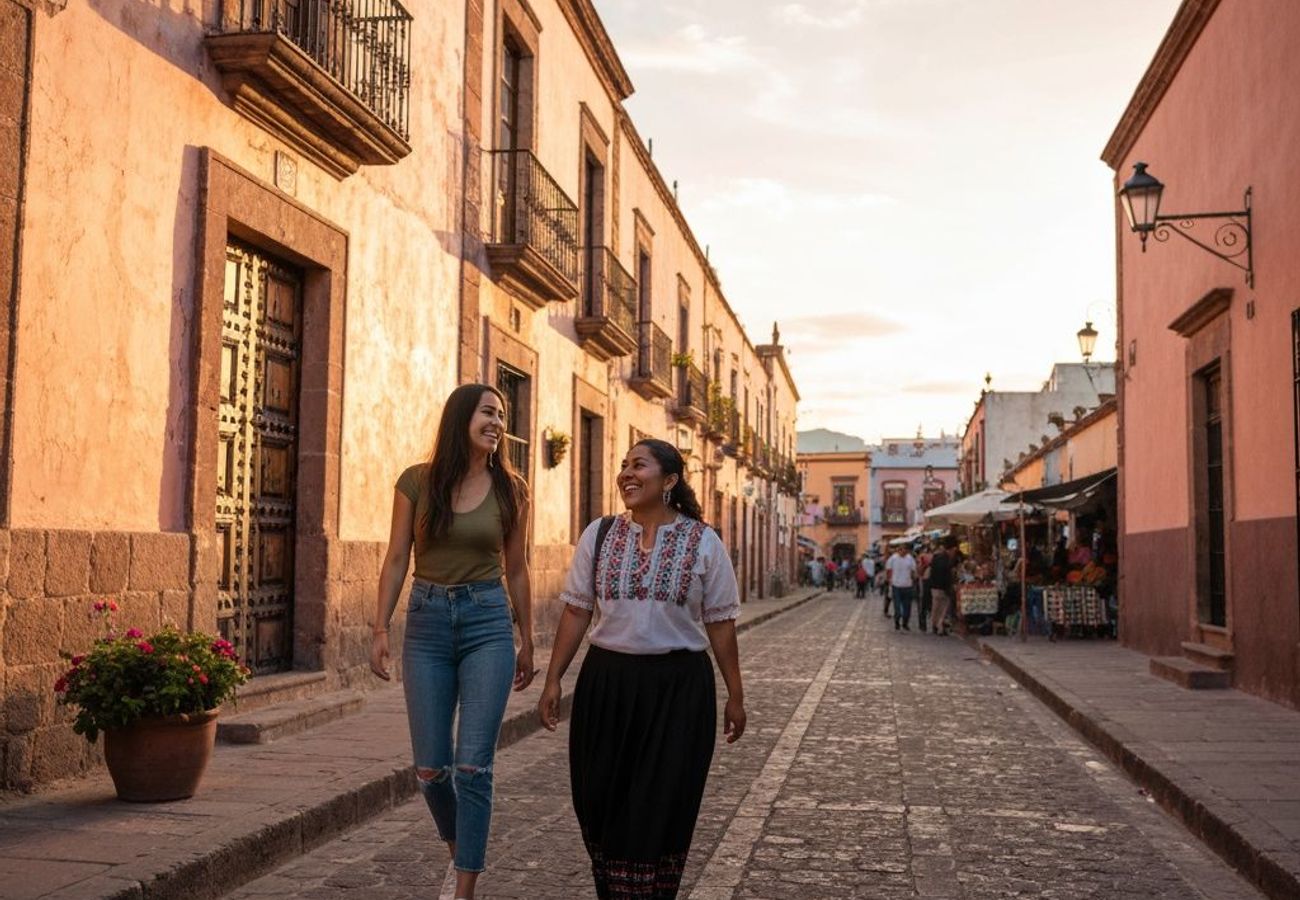
Image generated by AI
The Quiet Shift Reshaping Mexico's Tourism Map
I've watched Mexico's tourism landscape transform dramatically over the past eighteen months, and what's happening in early 2026 deserves serious attention. Canada has quietly become the powerhouse driving Mexico's expansion—a move that nobody predicted with this intensity six months ago.
The numbers tell the story: Mexico has already surpassed eight million international visitors in early 2026, with Canadian travellers leading the charge and decisively overtaking established markets like Brazil, Spain, the United Kingdom, Colombia, Argentina, and France.
This isn't just statistical noise. This is a fundamental restructuring of global leisure travel patterns.
Why Canada Is Winning the Mexico Race
The reasons are clear once you look beneath the surface.
Winter-sun demand from Canada has intensified as middle-class Canadians increasingly see Mexico as their preferred long-haul escape. Toronto, Vancouver, Montreal, and Calgary are generating consistent outbound flows that dwarf previous years. All-inclusive package pricing has become more competitive, and airline capacity between Canada and Mexico has expanded significantly, cutting travel friction and cost barriers.
Reddit: "The flight prices from Vancouver to Cancun dropped 22% year-over-year. For families, it's now cheaper than flying to Florida." — r/travel
Destinations like Cancún, Riviera Maya, Los Cabos, and Puerto Vallarta are now seeing Canadian families extending their stays from weekend trips to full-week or longer vacations. Hotel occupancy rates reflect this shift—resorts are reporting higher Canadian visitor shares than at any point in the past decade.
Canadian travellers are no longer just winter escapists. They're becoming loyal, repeat visitors who stay longer and spend more consistently throughout the year.
The Broader North American Dominance Picture
While Canada is the headline story, the United States remains the structural foundation of Mexico's tourism economy. American travellers still account for the largest absolute visitor volume, supported by cross-border mobility, dense flight networks, and deep cultural ties.
What's shifting in 2026 is how Americans travel to Mexico. More US visitors are extending their stays beyond traditional weekend trips. Longer vacation cycles in coastal resort zones—particularly in Los Cabos and Cancún—are becoming the new normal for American families and business travellers seeking remote work bases.
This dual-market dominance (US volume + Canadian growth momentum) is creating a fortress effect that makes Mexico resilient against economic headwinds affecting other regions.
European Markets: Volume Stability, Strategic Importance
Spain remains one of Europe's strongest contributors to Mexico tourism, anchored by robust air connectivity between Madrid and major Mexican destinations. Spanish tourists are increasingly drawn to Mexico's cultural heritage, UNESCO archaeological sites, and luxury offerings—particularly in Mexico City and Oaxaca.
The United Kingdom brings fewer visitors than Spain but punches well above its weight in revenue. British travellers represent the highest-spending international visitor segment, with luxury resorts, honeymoon travel, and long-haul cultural tourism dominating their choices. Direct and hub-based connectivity through European gateways has sustained stable UK arrivals into premium destinations.
France similarly focuses on high-value experiential tourism—boutique hotel stays, heritage circuits, and curated cultural experiences in colonial cities. The French market is less about visitor volume and more about per-traveller expenditure and brand prestige.
Latin America's Shifting Dynamics
Brazil's position has genuinely shifted in 2026. Once an emerging powerhouse in Mexico tourism, Brazil has been overtaken in growth intensity by Canada and several European markets. Currency fluctuations and regional economic pressures have constrained aggressive expansion, though São Paulo and Rio de Janeiro continue supplying steady leisure demand.
Colombia, by contrast, has emerged as one of Latin America's fastest-growing contributors. Improved air connectivity and competitive travel costs have dramatically boosted outbound tourism from Colombian cities to Mexico. The rise of low-cost carrier partnerships has made Mexico significantly more accessible to regional middle-class travellers.
Argentina shows recovery-driven growth after prolonged economic instability. Argentine tourists are increasingly exploring Mexico's cultural and coastal destinations through structured tour packages and extended-stay itineraries. Mexico's affordability compared to other long-haul options has helped Argentina regain its footing as a consistent contributor.
The Infrastructure and Connectivity Story
None of this growth happens without expanded airline capacity. Major carriers have added significant seat inventory on Canada-Mexico routes, and competition among airlines has driven pricing down. IATA data shows that international air capacity into Mexico increased 18% year-over-year in the first half of 2026.
Hotel infrastructure has kept pace. Major resort operators have expanded room inventory across Caribbean-facing destinations, and boutique and luxury properties have multiplied in cultural centres like Mexico City.
"Canada's strong rise in Mexico's tourism growth reflects a clear shift in global travel behaviour," says Anup Kumar Keshan, Editor-in-Chief of Travel and Tourism World. "Travellers are increasingly choosing reliable mid-haul leisure destinations supported by better air links and stronger hospitality. Mexico's ability to cross the eight million visitor mark shows how diversified source markets are now driving stability."
The Night-Stay Extension Effect
A critical metric often overlooked: length of stay is expanding. Canadian visitors are averaging longer overnight stays than traditional American weekend travellers. This drives higher hotel revenue, increased food-and-beverage spending, and more robust local economic impact per visitor.
The trend suggests that Mexico is successfully transitioning from a "quick escape" destination to a "stay-and-explore" hub. Multi-week stays for remote workers, extended family vacations, and cultural tourism circuits are becoming increasingly common.
What This Means for Travellers and Industry Players
For nomadic workers and digital professionals, this surge signals strengthened infrastructure in major destinations. More flight options, competitive pricing, and upgraded hospitality across Mexico make it an increasingly viable base for extended stays.
For tourism operators and hotel chains, the diversification of source markets reduces dependency on any single region. Economic downturns in one country won't crater Mexico's overall visitor flows—a structural advantage as global volatility remains elevated.
For travel lawyers and visa specialists, the sustained growth underscores why Mexico's temporary residency and business visa pathways remain increasingly relevant for North American professionals seeking extended stays.
The Competitive Reality
Spain, the UK, Brazil, and France aren't declining—they're stabilising. Canada simply outpaced them in growth intensity during early 2026. This reflects broader macro shifts: Canada's middle class has discretionary income, Mexico offers proximity and value, and airline capacity exists to meet demand.
The competitive advantage won't last forever. Expect other markets to intensify their offerings. But right now, in mid-2026, Canada is the story Mexico's tourism sector is built around.
The tourism maps we thought permanent are being redrawn in real time—and Canada is holding the marker.
Related Travel Guides
Disclaimer
This article is for informational and educational purposes only. It does not constitute legal, financial, or professional advice. While we strive to provide accurate and up-to-date information, travel policies, regulations, and conditions change rapidly. Always verify information with official sources before making travel decisions. Nomad Lawyer makes no representations about the accuracy, reliability, completeness, or suitability of the information provided. Readers should consult qualified professionals for advice specific to their circumstances. The views expressed in this article are those of the author and do not necessarily reflect the views of Nomad Lawyer.
Raushan Kumar
Founder & Lead Developer
Full-stack developer with 11+ years of experience and a passionate traveller. Raushan built Nomad Lawyer from the ground up with a vision to create the best travel and law experience on the web.
Learn more about our team →