
Canada Approves Emergency Federal Aid for Manitoba Parkland Region Flooding Recovery 2026
The Canadian federal government has authorized emergency assistance and military support for Manitoba following severe flooding in the Parkland Region, triggering a coordinated response and long-term recovery effort.

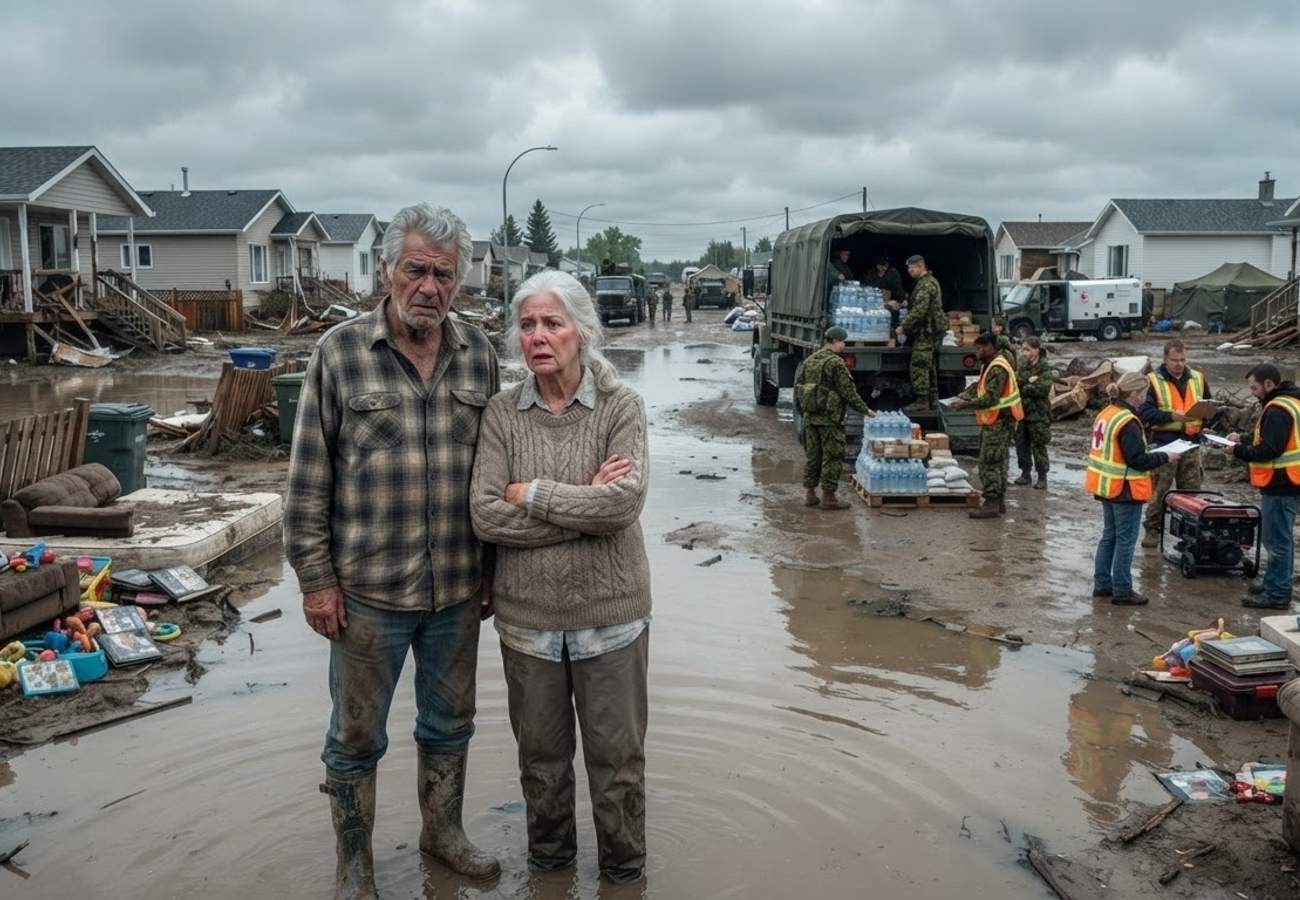
Image generated by AI
The Canadian federal government has authorized emergency assistance for Manitoba following catastrophic flooding in the Parkland Region. This mobilization includes the deployment of the Canadian Armed Forces, specialized disaster response teams, and long-term financial frameworks to stabilize affected communities.
Minister of Emergency Management and Community Resilience Eleanor Olszewski confirmed the approval of Manitoba’s Request for Federal Assistance. The decision follows a period of persistent, heavy rainfall that overwhelmed local infrastructure, displaced families, and disrupted essential community services.
The federal intervention is designed to augment provincial operations, providing specialized national resources to accelerate the transition from emergency response to long-term recovery.
Deployment of Specialized Federal Resources
The response strategy integrates military logistics with civilian humanitarian expertise to address immediate crises:
- Canadian Armed Forces: Small planning teams have been deployed to conduct operational assessments and provide critical transportation and logistics support.
- Team Rubicon Canada: This veteran-led organization is operating under Public Safety Canada’s Humanitarian Workforce Program to lead immediate flood response and early recovery activities.
- Canadian Red Cross: Ongoing delivery of emergency aid and management of community shelters via the Humanitarian Workforce Program.
- Technical Equipment: Federal agencies are sourcing high-capacity pumps and specialized recovery kits to expedite cleanup as water levels recede.
Financial Framework for Long-Term Reconstruction
To mitigate the economic impact on the province, the federal government is utilizing the Disaster Financial Assistance Arrangements (DFAA). This cost-shared funding model is designed to cover eligible expenses related to:
- Emergency response operations.
- Restoration of critical public infrastructure.
- Community-wide recovery and rebuilding initiatives.
Industry observers note that because different municipalities are at varying stages of the crisis—some still fighting active floods while others have begun cleanup—the federal support remains flexible to meet divergent local needs.
Coordination and Public Safety Protocols
The federal government is providing direct personnel to the Manitoba Emergency Coordination Centre to streamline communication between provincial and national agencies. This ensures that resources are allocated based on real-time data.
Officials have emphasized a collaborative approach, working specifically with Indigenous partners and municipal leaders to ensure recovery efforts are tailored to the unique needs of each affected community. Residents are urged to maintain vigilance and adhere to evacuation orders and road closure notices issued by local emergency management agencies.
Summary of Federal Assistance Components
| Resource Category | Primary Provider | Primary Objective |
|---|---|---|
| Operational Planning | Canadian Armed Forces | Logistics and situational assessment |
| Disaster Response | Team Rubicon Canada | Immediate flood mitigation |
| Humanitarian Aid | Canadian Red Cross | Shelter and emergency services |
| Financial Support | DFAA Program | Infrastructure and recovery funding |
| Technical Gear | Federal Agencies | Sourcing pumps and recovery kits |
Why This Matters: Industry Implication
The scale of the Parkland Region flooding highlights a growing trend in 2026: the increasing reliance on "hybrid response" models. By integrating military logistics (CAF) with veteran-led NGOs (Team Rubicon) and traditional humanitarian bodies (Red Cross), Canada is shifting away from purely government-led responses toward a more agile, multi-sectoral framework.
For the aviation and transport sectors, this underscores the vulnerability of regional infrastructure to extreme weather. The deployment of military logistics suggests that local road and rail networks were sufficiently compromised to require specialized tactical transport, indicating a potential need for increased investment in climate-resilient transport corridors in the prairies.
Industry Outlook
Expect a prolonged recovery phase extending into late 2026. The focus will likely shift from immediate "water-out" operations to large-scale infrastructure audits. As the DFAA program reviews eligible expenses, there will be significant pressure to implement "build-back-better" standards to prevent repeat flooding in the Parkland Region. Future federal grants may be tied to the adoption of more stringent flood-mitigation architecture.
Recovery efforts remain contingent on stabilizing weather patterns and the efficient disbursement of cost-shared federal funds.
Related Travel Guides
Disclaimer
This article is for informational and educational purposes only. It does not constitute legal, financial, or professional advice. While we strive to provide accurate and up-to-date information, travel policies, regulations, and conditions change rapidly. Always verify information with official sources before making travel decisions. Nomad Lawyer makes no representations about the accuracy, reliability, completeness, or suitability of the information provided. Readers should consult qualified professionals for advice specific to their circumstances. The views expressed in this article are those of the author and do not necessarily reflect the views of Nomad Lawyer.
Preeti Gunjan
Contributor & Community Manager
A passionate traveller and community builder. Preeti helps grow the Nomad Lawyer community, fostering engagement and bringing the reader experience to life.
Learn more about our team →