
Beyond Yosemite Valley: The Ultimate 2026 Sierra Nevada Road Trip Guide Across Five High Passes

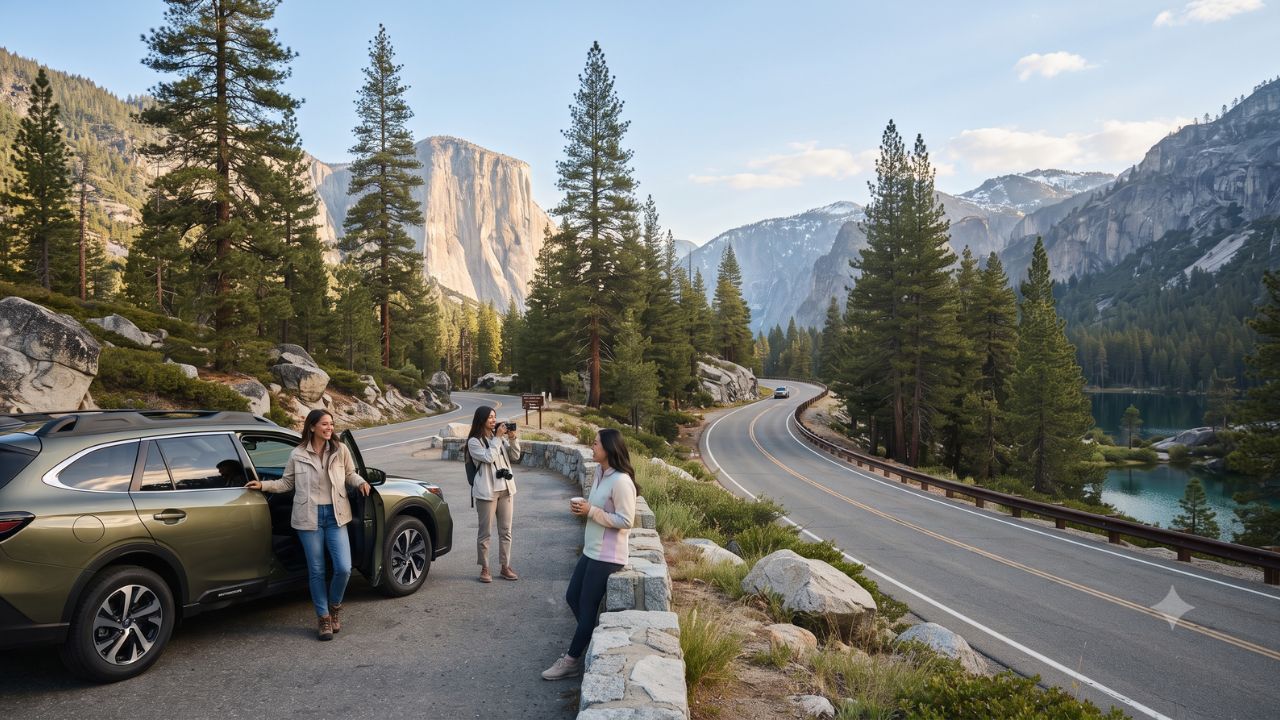
While over four million motorists cram into the seven square miles of Yosemite Valley each year, five interconnected mountain routes unlock hundreds of miles of alpine wilderness across California's Sierra Nevada. Following the removal of the peak-hours vehicle reservation system by the National Park Service for 2026, traveling through this high-altitude corridor requires balancing park-managed drives with rugged state highway passes that cross the crest of the range.
The Five-Pass Framework: Linking Yosemite to the High Sierra
Planning a road trip through this region means distinguishing between park roads and state-maintained highways. Inside the national park boundaries, three routes showcase classic granite geology:
- Yosemite Valley Loop: Provides ground-level views of El Capitan, Half Dome, and Yosemite Falls. The park service operates free hybrid Valley shuttles, allowing drivers to park once at designated day-use areas and explore trailheads without fighting traffic.
- Glacier Point Road: Accessible from Wawona Road at Chinquapin, this high-perch route opened for the 2026 season on 9 May, delivering panoramic overlooks looking down 3,214 feet onto the valley floor.
- Tioga Road (Highway 120 East): Opened on 15 May for the 2026 season, this high-country artery climbs past Tenaya Lake and Tuolumne Meadows before crossing Tioga Pass at 9,943 feet elevation to connect with US Route 395 in the Eastern Sierra.
North of the park, two dramatic state mountain passes monitored by Caltrans District 10 transform a standard sightseeing visit into a complete trans-Sierra circuit:
- Sonora Pass (State Route 108): Climbs to 9,624 feet through steep 26% grades, connecting Sonora with Bridgeport through aspen groves and volcanic ridges.
- Ebbetts Pass (State Route 4): A National Scenic Byway reaching 8,730 feet, featuring narrow one-lane sections without centerlines that wind past alpine lakes and historic mining settlements. Both state passes reopened following late-spring weather closures in May 2026.
What Makes Sierra Nevada High Passes Different for Drivers
Driving across the Sierra crest presents steep logistical contrasts compared with standard scenic highways. The National Park Service recorded 4,285,729 park visits in 2024, up from 4,057,237 in 2023, funneling tremendous vehicle density onto Valley roads during midday hours. In contrast, crossing Sonora or Ebbetts passes drops drivers into quiet alpine basins where service stations and cell reception disappear for 40-mile stretches.
Seasonal availability is highly dynamic. While the low-elevation Valley remains open year-round, Glacier Point, Tioga, Sonora, and Ebbetts passes depend entirely on winter snowpack removal and autumn freezes. From September through seasonal closure dates in November, services around Tuolumne Meadows taper off, leaving water and food outlets shuttered. Drivers making late-season crossings must carry independent supplies and verify live conditions with state dispatchers.
Visitor Insider Tips: Navigating Sierra Passes and 2026 Park Regulations
- Master the 2026 Entry and Fee Rules: Yosemite does not require vehicle entry reservations in 2026. However, international travelers aged 16 and older face an additional US$100 non-resident recreation fee unless entering with an approved pass such as the America the Beautiful interagency pass.
- Travel West-to-East Across Tioga Before 09:00: Morning departures from the Valley allow unhurried stops at Olmsted Point and Tenaya Lake before tour buses arrive, positioning you in Lee Vining or June Lake in time for lunch.
- Base in Historic Gateway Towns: Instead of competing for booked-out park lodging, book rooms in Groveland, Mariposa, Bridgeport, or Twain Harte. Spending evenings in these mountain communities supports family-owned diners, bakeries, and local outfitters.
- Prepare Vehicles for Steep Mountain Grades: Sonora Pass features sustained 26% inclines. Shift automatic transmissions into lower gears (L or D2) on descents to prevent brake overheating, and pull into turnout bays to allow faster traffic to pass safely.
Cultural and Environmental Context: Sustaining Fragile Alpine Ecosystems
The rising popularity of trans-Sierra driving routes affects both high-altitude wildlife and gateway economies. High-elevation passes cut directly through subalpine meadows that provide critical summer feeding grounds for black bears, bighorn sheep, and Sierra Nevada yellow-legged frogs. Drivers must observe strict 25-mph and 35-mph speed advisories along Tioga Road to prevent wildlife collisions.
By extending journeys beyond the national park into Sonora, Markleville, and Mono County, travelers distribute economic impact to regional communities that rely heavily on outdoor tourism. Tourism initiatives managed through Visit California encourage multi-day circle tours, reducing single-day congestion in the Valley while supporting heritage preservation in historic Gold Rush and timber towns.
FAQ: Visiting Yosemite and Sierra Passes 2026
Do I need a timed entry permit to drive into Yosemite in 2026?
No. Yosemite National Park has suspended vehicle reservation requirements for the 2026 season. Standard park entry fees apply at all entrance stations.
What extra fee applies to international visitors entering US national parks in 2026?
Under 2026 regulations, non-US residents aged 16 and over must pay an additional US$100 non-resident fee unless covered by an eligible annual pass.
When do Glacier Point and Tioga roads open and close?
For the 2026 season, Glacier Point Road opened on 9 May and Tioga Road opened on 15 May. Both routes typically remain open until the first major winter snowstorms in November.
Can I drive Sonora Pass and Ebbetts Pass with a large RV?
Trailers and motorhomes over 25 feet are strongly discouraged on Sonora Pass (SR 108) and prohibited on the narrow, centerline-free upper stretches of Ebbetts Pass (SR 4).
Crossing California's highest granite passes reveals an untamed mountain wilderness far beyond the crowded valley floor, where pure alpine air and empty highways define the true spirit of the West.
Related Travel Guides
Disclaimer
This article is for informational and educational purposes only. It does not constitute legal, financial, or professional advice. While we strive to provide accurate and up-to-date information, travel policies, regulations, and conditions change rapidly. Always verify information with official sources before making travel decisions. Nomad Lawyer makes no representations about the accuracy, reliability, completeness, or suitability of the information provided. Readers should consult qualified professionals for advice specific to their circumstances. The views expressed in this article are those of the author and do not necessarily reflect the views of Nomad Lawyer.
Naina Thakur
Contributor & Travel Specialist
Travel enthusiast and legal writer covering visa regulations, responsible tourism, and cultural journeys across global destinations.
Learn more about our team →