California High-Speed Rail Authority Launches Oversight Probe After $680,500 in Questionable Travel Costs

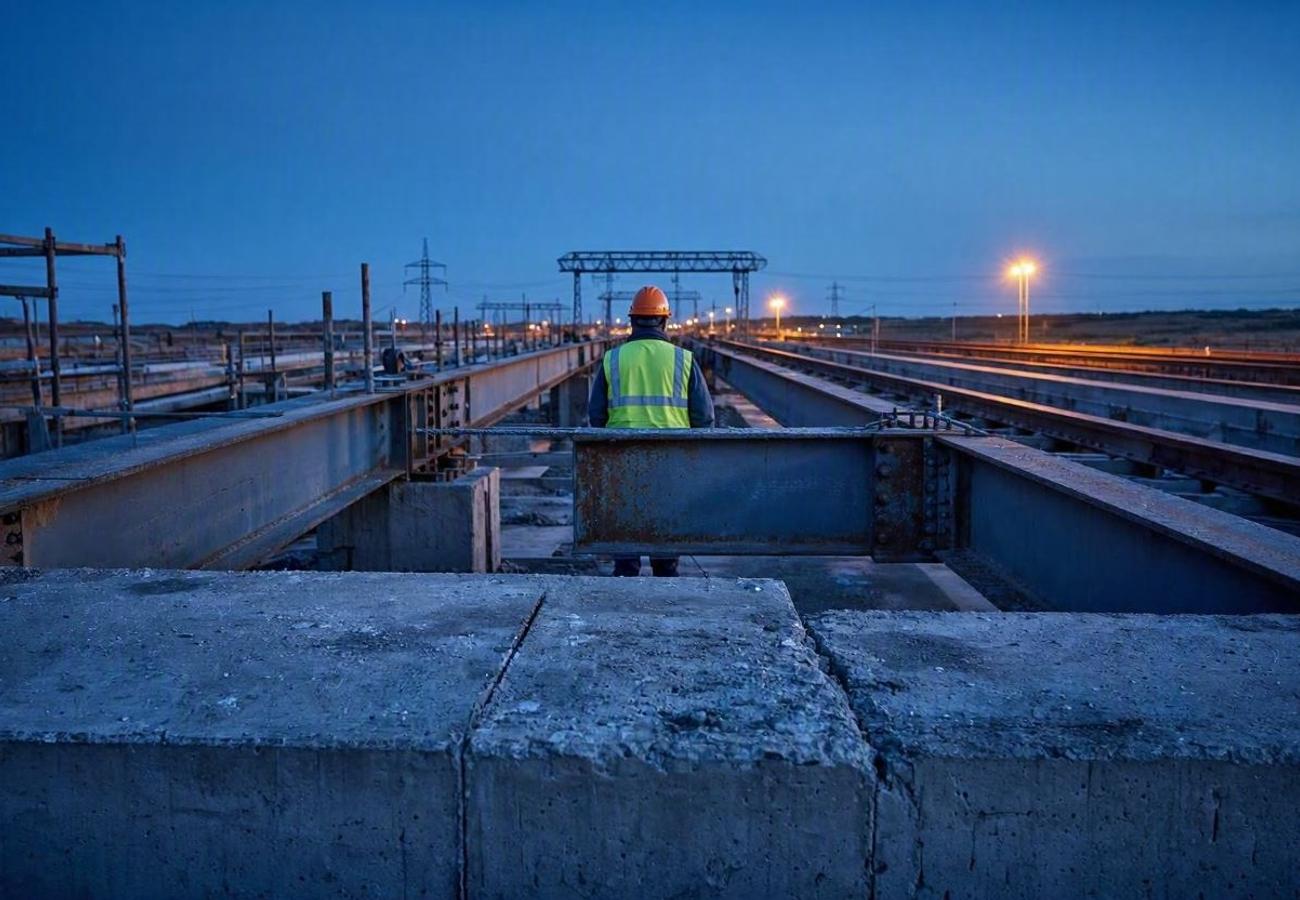
Image generated by AI
[Sacramento, September 18, 2026] — The California High-Speed Rail Authority is implementing a rigorous new financial oversight phase after a watchdog investigation uncovered approximately $680,500 in questionable consultant travel expenses. The findings, released by the Office of the Inspector General, indicate a systemic failure in pre-authorization and documentation for travel claims linked to one of the most expensive infrastructure projects in United States history.
The investigation focused on travel spending during fiscal years 2024-25 and 2025-26. Out of roughly $2 million in total reviewed travel claims, the watchdog scrutinized $1.15 million. The results revealed that nearly 60% of those reviewed expenses—totaling $680,500—were processed without documented approval prior to the travel occurring.
Financial Lapses in Consultant Spending
The probe was not a comprehensive audit of all project spending but a targeted review of how consultants manage their budgets. The Inspector General identified a recurring pattern of missing pre-authorizations, incomplete records, and expenses that directly contradicted existing contract requirements.
Of particular concern were claims that lacked sufficient business justification. The review highlighted instances where consultants charged the project for trips to gyms, entertainment venues, and restaurants without providing evidence that these outings served an official business purpose. Additionally, the watchdog flagged the use of premium airfare upgrades that lacked the necessary justification to warrant the higher cost to the taxpayer.
The California High-Speed Rail Authority is now tasked with recovering these improper costs and reforming the way third-party contractors report their expenditures.
Affected Travelers, Airlines and Logistics by the Expense Review
The investigation specifically targeted travel reimbursements linked to four major consulting contracts. While the review does not evaluate the technical performance of these firms, it highlights significant gaps in their financial reporting.
| Consultant | Role in High-Speed Rail Project | Primary Concern |
|---|---|---|
| KPMG | Financial advisory and info security | Lack of pre-authorization |
| Nossaman LLP | Legal consulting | Documentation gaps |
| AECOM-Fluor | Programme delivery support | Inconsistent contract compliance |
| SYSTRA/TYPSA | Infrastructure services | Unjustified travel costs |
The fallout from these findings primarily affects the administrative relationship between the state and its contractors. There is currently no indication that these financial discrepancies have delayed the physical construction of the rail line.
Practical Traveler Advisory and Strategic Insights
For the average passenger or prospective traveler, this oversight probe does not result in immediate changes to ticket prices or booking availability. However, it signals a shift in how the project is managed behind the scenes.
Passenger Impact Assessment:
- Project Timeline: Construction of the Central Valley segment between Merced and Bakersfield continues. This financial cleanup is an administrative action and is not expected to halt the development of the rail line.
- Taxpayer Value: The move to recover nearly $680,500 in improper costs is intended to ensure that public funds are used for rail infrastructure rather than consultant luxuries.
- Project Viability: Increased transparency and stricter Government Accountability Office (GAO) style oversight may help stabilize the project's long-term funding by restoring public and legislative confidence.
Future Oversight and Project Timeline
The Authority is now moving into a corrective phase to prevent future leakage of public funds. The immediate roadmap includes the overhaul of internal travel approval procedures and the implementation of more stringent documentation requirements for all consultants.
The Inspector General will remain embedded in the process to monitor whether these corrective measures are actually implemented. The goal is to move from a reactive posture—where expenses are flagged after the fact—to a proactive system where no travel is reimbursed without a verified, pre-approved business case.
Despite these administrative hurdles, the primary focus remains the completion of the Central Valley segment. This stretch serves as the foundation for the broader network intended to eventually connect major California hubs. The Authority maintains that stronger financial controls will actually improve efficiency and reduce the long-term financial risks associated with such a massive scale of infrastructure development.
The California High-Speed Rail project aims to connect the state's major metropolitan hubs, significantly reducing travel times between San Francisco and Los Angeles. Travelers seeking current regional transit options and infrastructure updates can find comprehensive resources through the California Department of Transportation.
Strategic Logistics Analysis and 2026 Traveler Insights
The ongoing friction surrounding the California High-Speed Rail (CHSR) project underscores a critical reality for professional travelers and corporate consultants operating within the Central Valley and the Sacramento-to-Los Angeles corridor: the region remains a logistical challenge characterized by high costs and fragmented infrastructure. Until the rail project reaches operational maturity, travelers must navigate a landscape that relies heavily on legacy systems and high-premium transit.
Regional Transit Alternatives and Logistics
For those traveling between Sacramento, Fresno, and Los Angeles in 2026, the primary alternatives to private aviation or rental cars remain the Amtrak San Joaquins and Pacific Surfliner. While these services provide essential connectivity, they lack the velocity of the proposed high-speed network. To optimize efficiency, corporate travelers should prioritize "intermodal" strategies—utilizing regional airports (such as FAT in Fresno or SMF in Sacramento) combined with pre-arranged executive car services to avoid the volatility of ride-share availability in rural stretches of the Central Valley.
Peak Travel Timing and Booking Considerations
Travel demand in this corridor peaks during the Q1 and Q3 fiscal cycles, coinciding with state legislative sessions and infrastructure review periods. During these windows, hotel inventory in Sacramento and Fresno tightens significantly.
Booking Recommendations:
- Lead Time: Secure lodging at least 21 days in advance to avoid the "government rate" surge.
- Airfare: To avoid the "premium upgrade" scrutiny highlighted in the Inspector General’s report, travelers should utilize corporate booking tools that enforce strict adherence to GSA (General Services Administration) per diem rates.
- Lodging: Focus on properties with integrated business centers to minimize ancillary "incidental" charges that often trigger audit flags.
2026 Traveler Compliance Context
The current oversight probe serves as a cautionary tale for consultants. In the current regulatory climate, "business justification" has shifted from a formality to a rigorous requirement. Travelers should maintain a digital audit trail—including calendar invites and meeting minutes—for every expense. The transition toward stricter financial scrutiny means that "blended" trips (combining business with leisure) are under increased surveillance; clear demarcation of personal versus professional expenditures is now mandatory to avoid reimbursement clawbacks.
FAQ: California High-Speed Rail Oversight 2026
What exactly did the Inspector General find? The watchdog discovered that approximately $680,500—nearly 60% of the reviewed consultant travel claims—lacked the required documented approval before the travel took place. This included unjustified premium airfare and trips to non-business locations like gyms.
Will this investigation delay the trains? No. The review focuses strictly on travel expense reimbursements and financial administration. It does not impact the engineering, construction, or operational timelines of the rail project.
Which part of the rail system is currently being built? The Authority is currently prioritizing the development of the Central Valley segment, which will connect the cities of Merced and Bakersfield.
Which companies were involved in the expense review? The review examined travel claims from four specific consultants: KPMG, Nossaman LLP, AECOM-Fluor, and SYSTRA/TYPSA.
The state is now betting that tighter bookkeeping will keep this multi-billion dollar project on the tracks.
Related Travel Guides
This article is for informational purposes. Flight routes, passenger regulations, visa rules, and transit advisories are subject to change by airlines and aviation authorities. Readers are advised to verify schedules and travel documentation with relevant carriers and border agencies before departure.
Related Stories

European Mass Protests Disrupt Travel Across France, Italy, Belgium, and Turkey in 2026

Aeroméxico and Delta Expand US Network with 42 Weekly Flights to California, Florida and Oregon in 2027