
California State Parks Enforce Strict Access: How the Burney Falls Reservation System Travel Impact Transforms Northern California Waterfall Tourism and Road Trip Itineraries: New Travel Alert
Burney Falls reservation system travel impact reshapes Northern California waterfall tourism, forcing travelers to pre-book visits and adapt itineraries.

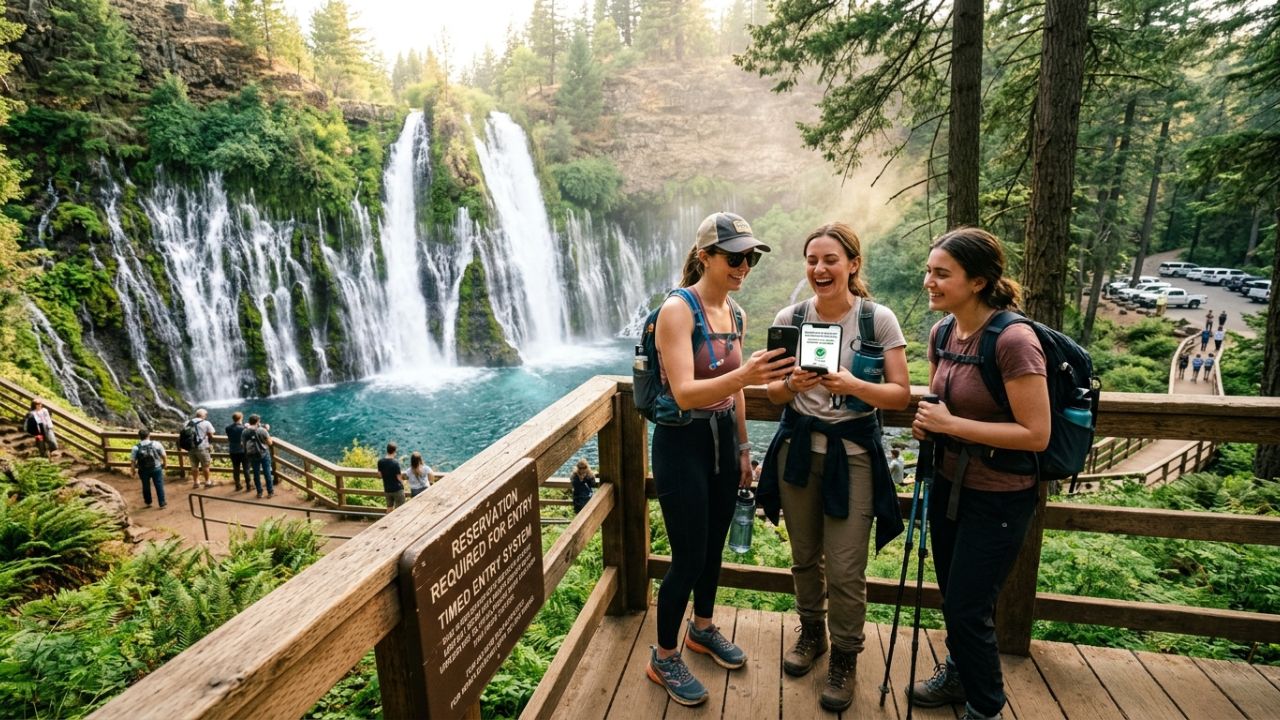
Image generated by AI
Published on June 18, 2026
A sudden shift in park rules has shocked tourists as the Burney Falls reservation system travel impact alters spontaneous road trips through Shasta County on June 18, 2026. Under the new guidelines, visitors must book entry slots weeks in advance to access the McArthur-Burney Falls Memorial State Park, ending the tradition of last-minute sightseeing. The new policy is part of broader California travel restrictions designed to manage high traffic volumes and preserve outdoor destinations for future travelers.
Quick Summary
- Pre-Planned Handoffs: Visitors must now secure advance reservations to access the McArthur-Burney Falls Memorial State Park, replacing the old system of spontaneous drive-up entry.
- Regulated Entry Limits: The park has implemented controlled time slots, restricted weekend/holiday access, and daily capacity caps to prevent trail wear and road hazards.
- Ripple Effect on Tourism: Northern California waterfall tourism routes are being reshaped as travelers build itineraries around slot availability and book weekdays.
- Controlled Park Experience: Visitors are experiencing reduced parking lot congestion, predictable passenger flow, and less overcrowding at viewing points.
The introduction of the new reservation system represents a major change in how natural landmarks are managed. Managed by California State Parks, the new access guidelines are designed to mitigate environmental pressure caused by rising visitor numbers. For road trippers and outdoor enthusiasts, this update highlights the need to transition toward structured and digital-first travel planning.
Event and Incident Details: California State Parks Implement Entry Reservation Guidelines
California State Parks has implemented structured entry rules at McArthur-Burney Falls Memorial State Park in Shasta County. The decision follows years of intense visitor pressure, driven by social media promotion and growing interest in outdoor travel, which converted the quiet site into one of the region's busiest destinations.
To manage the situation, park coordinators established new entry rules. The main problems leading to this intervention included severe trail wear from constant foot traffic, parking lots filling too early in the day, overflow crowds during weekends and holidays, safety hazards on adjacent roads, and physical stress on natural vegetation and viewing zones.
| McArthur-Burney Falls State Park Challenges | New Entry Rules Implemented | Key Benefits to Park Experience |
|---|---|---|
| Severe trail wear from high foot traffic | Mandatory entry booking before arrival | Predictable visitor flow and reduced trail wear |
| Parking lots filling up too early in the day | Daily capacity caps and controlled time slots | Reduced parking lot congestion and safety risks |
| Overflow weekend and holiday crowds | Restricted weekend and holiday access | Less overcrowding at waterfall viewing points |
| Safety hazards along nearby access roads | Elimination of last-minute drive-up entries | Quieter environment during regulated park hours |
Under the current rules, travelers must plan ahead. Visitors must book entry passes before arrival, daily capacity is capped, and weekend and holiday access is limited. Spontaneous or last-minute visits are no longer permitted at peak times, forcing travelers to align their schedules with available entry windows.
Risk and Impact: How the Burney Falls Reservation System Travel Impact Restricts Spontaneity
The new park rules present multiple challenges for tourists visiting Northern California waterfall destinations. The Burney Falls reservation system travel impact removes the flexibility of spontaneous road trips, forcing a shift toward structured planning. Travelers navigating these rules face several challenges:
- Loss of Schedule Flexibility: Road trippers can no longer make unplanned stops at the waterfall, as entry is restricted to specific pre-booked slots.
- Itinerary Disruption: Unavailability of reservation slots can compromise entire routes, forcing travelers to select alternative waterfalls.
- Transit Planning Friction: Travelers must coordinate their driving times and local lodging to match their exact scheduled entry windows.
- Environmental Pressure Shifts: Regulating crowds at Burney Falls may redirect traffic to other nearby natural attractions, spreading congestion.
These constraints require travelers to dedicate more time to pre-departure planning and digital booking platforms.
What Authorities and Park Coordinators Are Saying
California State Parks coordinators state that the reservation rules are essential to preserve the park's environment and ensure visitor safety. The system is designed to balance public access with conservation, preventing long-term damage to the Shasta County landmark.
Park officials recommend that travelers check reservation availability well in advance of their trips. Booking weekday slots and utilizing digital mapping tools are highly recommended to avoid arrival setbacks.
Additionally, rangers remind visitors that arriving without a reservation during restricted hours will result in turned-away vehicles. Complying with cut-off times and park rules remains essential.
Practical Traveler Advice: How to Plan Trips Under the New Reservation System
Adjusting to managed park access requires a systematic approach. If you are planning a trip to Northern California state parks, follow these practical steps:
- Pre-Book Entry Slots Weeks in Advance: Secure your reservation pass through the official California State Parks booking portal before arranging lodging.
- Align Driving Times with Entry Windows: Plan your road trip route to ensure you arrive exactly within your designated time slot to avoid entry issues.
- Research Alternative Scenic Destinations: Identify neighboring waterfalls in Northern California to visit in case Burney Falls slots are fully booked.
- Target Weekday Excursions: Schedule your visit during the week when capacity caps are less restrictive and booking slots are more available.
- Monitor Digital Travel Alerts: Keep your digital reservation details active and check for updates regarding park guidelines or trail closures before leaving.
Broader Context: Northern California Waterfall Tourism Adapts to Managed Access
The transition at McArthur-Burney Falls Memorial State Park reflects a broader trend shaping California summer travel. Spontaneous road trips are being replaced by organized, reservation-based itineraries across the state.
As traveler numbers rise nationwide, similar capacity management systems are being adopted by other top destinations in the US. This shift is expected to continue into California summer travel 2026, making advance booking the standard for natural attractions.
While some travelers miss the flexibility of spontaneous trips, many appreciate the quieter and more organized experience inside the park.
What to Expect Next / Looking Ahead
Park management teams will continue to monitor the reservation system's impact on trail preservation and visitor satisfaction. Further updates to entry windows and booking allocations may occur as operations stabilize.
As digital travel planning tools expand, integration between park reservation systems and local navigation apps will likely improve.
Conclusion Paragraph
The introduction of the Burney Falls reservation system illustrates the evolving nature of outdoor travel. By planning ahead, verifying reservations early, and maintaining flexible itineraries, travelers can successfully navigate these guidelines. Proactive preparation and a digital-first mindset will remain critical to enjoying Northern California's natural beauty.
Related Travel Guides
- United States Families and Road Trippers Pivot: How to Manage Budget Summer Travel in the United States Amid Soaring Gas Prices and Rental Costs: New Travel Alert
- Global Airlines Upgrade Passenger Experience: How to Avail Hands-Free Premium Flying Experience as Carriers Replace Airport Check-In Counters with Off-Site Baggage Services: New Travel Alert
- United States Grinds to a Halt: Widespread US Air Travel Disruptions Erupt as SkyWest, Republic, and Envoy Air Ground 338 Flights and Log 4,106 Delays: New Travel Alert
FAQ
What is the Burney Falls reservation system travel impact?
The reservation system requires all visitors to secure advance bookings to enter McArthur-Burney Falls Memorial State Park, eliminating spontaneous drive-up access and requiring travelers to pre-plan their road trip itineraries.
Why did McArthur-Burney Falls Memorial State Park implement entry rules?
The system was established by California State Parks to manage heavy visitor traffic, reduce trail wear, prevent parking congestion, ensure road safety, and protect natural vegetation around the waterfall.
Can travelers visit Burney Falls without a reservation?
No, visitors cannot enter the park without a pre-booked reservation during regulated hours, and vehicles without passes will be turned away to prevent overcrowding.
How does this change affect Northern California waterfall tourism?
Travelers are now planning their routes around slot availability, booking visits weeks in advance, targetting weekday trips, and selecting alternative waterfalls when Burney Falls is fully booked.
Disclaimer
This article is for informational and educational purposes only. It does not constitute legal, financial, or professional advice. While we strive to provide accurate and up-to-date information, travel policies, regulations, and conditions change rapidly. Always verify information with official sources before making travel decisions. Nomad Lawyer makes no representations about the accuracy, reliability, completeness, or suitability of the information provided. Readers should consult qualified professionals for advice specific to their circumstances. The views expressed in this article are those of the author and do not necessarily reflect the views of Nomad Lawyer.
Raushan Kumar
Founder & Lead Developer
Full-stack developer with 11+ years of experience and a passionate traveller. Raushan built Nomad Lawyer from the ground up with a vision to create the best travel and law experience on the web.
Learn more about our team →