
Buenos Aires and Rio de Janeiro Lead Surge in US Travel to South America in 2026
US tourism to South America reaches historic highs in 2026, driven by expanded aviation networks, favorable exchange rates, and a strategic shift in North American travel preferences toward Southern Hemisphere hubs.

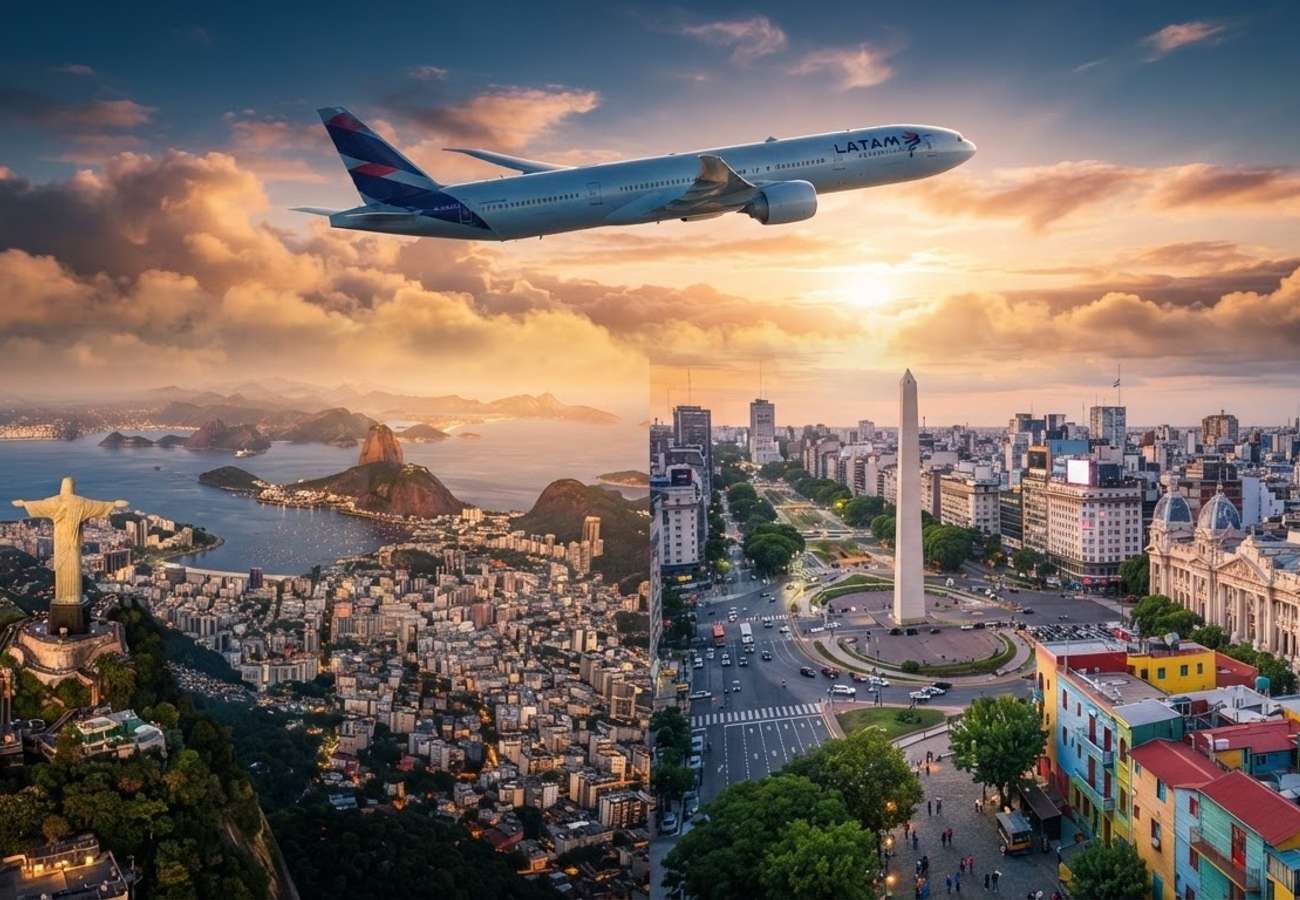
Image generated by AI
US tourism to South America is hitting unprecedented peaks in 2026, transforming the region from an alternative getaway into a primary destination for North Americans. A combination of aggressive aviation expansion and strategic macroeconomic shifts has triggered a historic influx of visitors.
Structural Shifts in North American Travel Patterns
The global travel industry is undergoing a fundamental realignment in 2026. Data from January to July 2026 indicates that South American metropolitan hubs are now central to US travel itineraries. This shift is not accidental; it is the result of a "perfect storm" of favorable currency conversions, streamlined visa processes, and a significantly denser network of non-stop flights.
Geopolitical instability in traditional long-haul corridors across Eastern Europe and the Middle East has further accelerated this trend. American travelers are increasingly pivoting south, seeking stability and higher value for their spending.
Macroeconomic Catalysts and Aviation Expansion
The financial incentive for traveling south is backed by strong data. A May 2026 report from the World Travel & Tourism Council (WTTC) projects that Travel & Tourism GDP in Central and South America will grow by 4.1% this year, outpacing the global average of 3.2%.
Even more striking is the projected increase in international visitor spending, which is expected to rise by 7.8%—more than double the global growth rate of 3.7%.
The aviation sector has scaled rapidly to meet this demand:
- Market Growth: IATA reports a 5% increase in air travel demand for Latin America, outperforming North American domestic growth.
- Capacity Increases: Avianca alone added 42 new weekly flights between the US and Latin America for the summer 2026 season.
- Policy Incentives: Many nations have launched bilingual marketing and digital nomad visas to attract remote workers and high-spending tourists.
Brazil: The Powerhouse of Rio and São Paulo
Brazil has seen a historic start to 2026. According to Embratur, the country welcomed 2.6 million international tourists in the first two months of the year. This represents a 52.9% increase compared to the same period in 2024.
The United States remains a top-four source market. Between January and February, 137,699 Americans entered Brazil, accounting for over 5% of all foreign arrivals.
Event-Driven Tourism in Rio de Janeiro
Rio has successfully used "mega-events" to stabilize tourism year-round. The February Carnival drew 300,000 foreign visitors—a 17% increase over 2025—generating nearly US$186 million in a single week.
The impact of pop culture is also evident. A free Copacabana Beach concert by Shakira in May 2026 drove an 80.75% increase in airline bookings for that week compared to 2024, with approximately 8,500 tickets booked specifically for the event.
Corporate Dominance in São Paulo
While Rio captures leisure, São Paulo remains the corporate gateway. The city's proximity to hubs like Miami, New York, and Atlanta has kept hotel occupancy rates above 80% during major March 2026 conferences.
Colombia: The Rise of Bogotá and Medellín
Colombia has transitioned into a top-tier global destination. Data from MinCIT and CITUR shows that over 2 million non-resident visitors arrived in the first four months of 2026.
The US is the primary driver of this growth, with 450,807 American tourists visiting through May 2026. Colombia's appeal is bolstered by shared time zones with the US, making it an ideal location for both short-term tourism and extended remote work.
- Bogotá: The capital has evolved from a transit point to a cultural destination. El Dorado International Airport remains one of the region's most efficient hubs, supporting a surge in boutique hotel investments.
- Medellín: The city is increasingly recognized as a tech hub, attracting a demographic of young professionals and digital nomads.
South American Tourism Growth Metrics 2026
| Metric | Regional/National Value | Global Average/Comparison |
|---|---|---|
| Travel & Tourism GDP Growth | 4.1% (Central/South America) | 3.2% (Global) |
| Int. Visitor Spending Growth | 7.8% (Central/South America) | 3.7% (Global) |
| Air Travel Demand Growth | 5% (Latin America) | Outperforming US Domestic |
| Brazil Int. Tourists (Jan-Feb) | 2.6 Million | 52.9% increase vs 2024 |
| US Visitors to Brazil (Jan-Feb) | 137,699 | >5% of total foreign influx |
| Colombia Non-Resident Visitors (Jan-Apr) | 2 Million+ | N/A |
| US Visitors to Colombia (thru May) | 450,807 | N/A |
Key Takeaways
- Economic Outperformance: South American tourism GDP and spending growth are significantly outpacing global averages.
- Aviation Pivot: Increased capacity from carriers like Avianca is lowering costs and reducing travel time for US citizens.
- Strategic Diversification: Brazil is successfully using music and cultural festivals to move beyond seasonal tourism.
- Digital Nomadism: New visa policies are converting short-term tourists into long-term residents, particularly in Colombia.
FAQ
Why is US travel to South America increasing in 2026? The surge is driven by more non-stop flights, favorable exchange rates for the US dollar, and the implementation of digital nomad visas.
Which Brazilian cities are the most popular for US travelers? Rio de Janeiro leads in leisure and event-based tourism, while São Paulo remains the primary hub for business and corporate travel.
How has Colombia's tourism changed? Colombia has rebranded itself from a transit destination to a cultural and tech hub, specifically targeting the US market through shared time zones and expanded flight routes.
The Southern Hemisphere is no longer just a winter escape; it is a primary economic engine for global travel.
Related Travel Guides
Disclaimer
This article is for informational and educational purposes only. It does not constitute legal, financial, or professional advice. While we strive to provide accurate and up-to-date information, travel policies, regulations, and conditions change rapidly. Always verify information with official sources before making travel decisions. Nomad Lawyer makes no representations about the accuracy, reliability, completeness, or suitability of the information provided. Readers should consult qualified professionals for advice specific to their circumstances. The views expressed in this article are those of the author and do not necessarily reflect the views of Nomad Lawyer.
Kunal K Choudhary
Co-Founder & Contributor
A passionate traveller and tech enthusiast. Kunal contributes to the vision and growth of Nomad Lawyer, bringing fresh perspectives and driving the community forward.
Learn more about our team →