
Budget Secrets for 2026: Navigating Switzerland, Norway, Iceland, and Singapore Without Breaking the Bank
Discover how to access the world's most expensive destinations—Switzerland, Norway, Iceland, and Singapore—using unconventional lodging and local cost-cutting hacks for 2026.

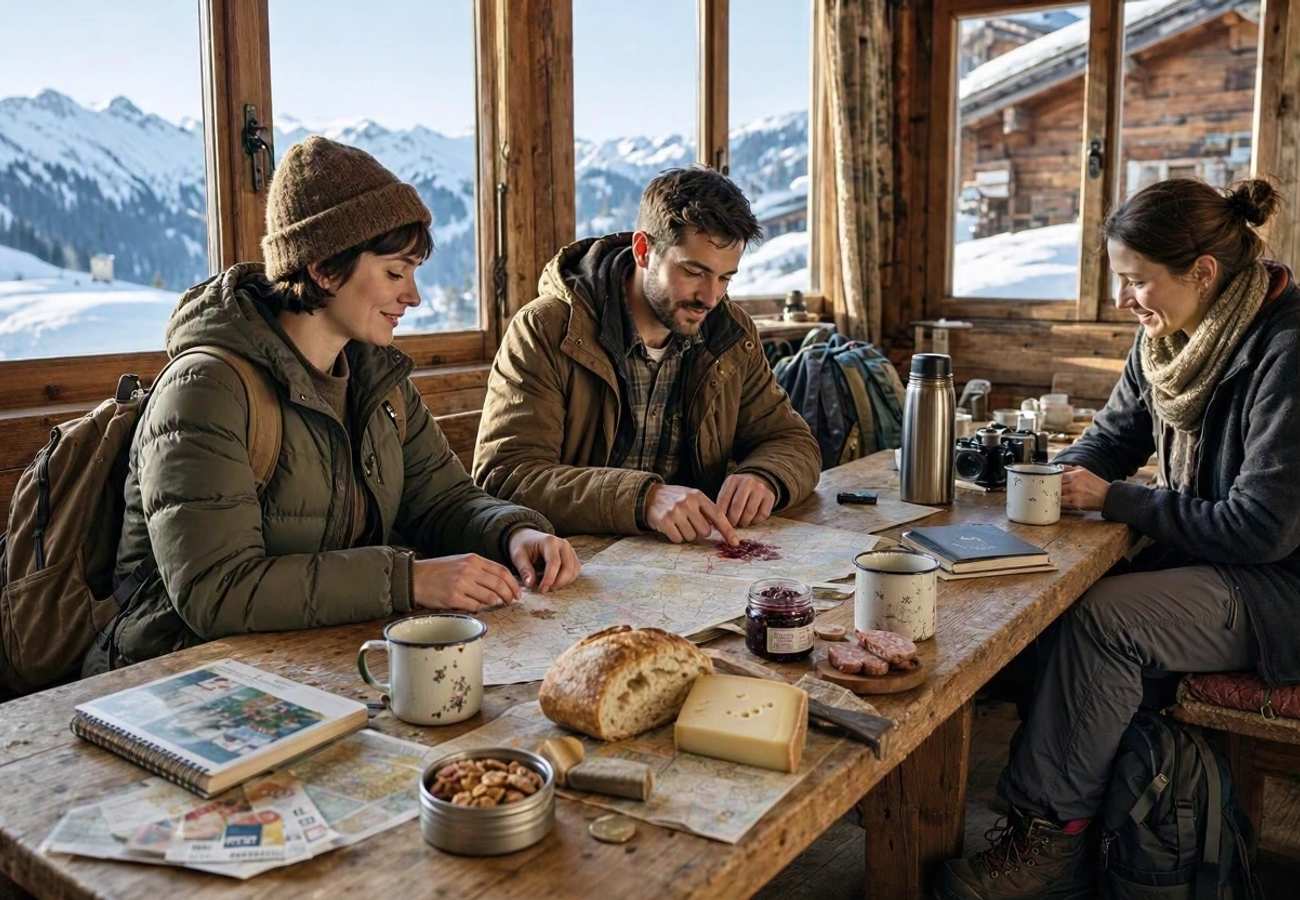
Image generated by AI
You can actually secure a bed in the heart of the Bernese Alps for roughly ₹6,674 per night, proving that the world's most expensive nations aren't reserved solely for the ultra-wealthy. While Switzerland and its peers often feel like financial minefields for the average traveler, a shift toward unconventional lodging and strategic self-catering is making these high-cost hubs accessible to a new wave of budget-conscious nomads in 2026.
The 2026 Shift Toward Alternative Lodging
The traditional hotel model is becoming a liability in cities where land is scarce or wages are astronomical. In 2026, the trend has shifted toward "micro-stays" and community-centric lodging. Whether it is the futuristic efficiency of capsule pods in Asia or the rustic charm of mountain lodges in Europe, travelers are decoupling the "luxury destination" from the "luxury price tag." By slashing the largest single expense—accommodation—visitors can offset the high cost of local VAT and imported goods.
What Makes These High-Cost Hubs Unique
Each of these four nations presents a different financial challenge. Switzerland's costs are driven by a powerhouse currency (CHF) and high labor standards. Norway faces logistical hurdles, where transporting goods to remote fjords inflates every price tag. Iceland, an island reliant on imports, struggles with a housing supply that cannot keep pace with global demand. Singapore, meanwhile, is a battle of square footage; land scarcity drives commercial real estate to extremes.
To navigate these, travelers are turning to specialized hubs. For instance, the UNESCO World Heritage sites across the Alps are far more reachable when basing yourself in Interlaken's hostel circuit rather than lakeside resorts.
Budget Logistics for High-Cost Nations
To survive these destinations without emptying your savings, you must pivot your spending. The most effective method is the "Self-Cater Strategy": utilizing shared guest kitchens to avoid the predatory pricing of tourist-centric restaurants. Additionally, booking regional rail passes in advance—particularly in Switzerland—can reduce transport costs by significant margins.
Comparative Budget Stay Guide (2026)
| Country | Primary Cost Driver | Recommended Budget Stay | Location | Approx. Nightly Rate | Standout Feature |
|---|---|---|---|---|---|
| Switzerland | Strong CHF, High Labor | Backpackers Villa Sonnenhof | Interlaken | ₹6,674 | Shared kitchen & free breakfast |
| Norway | High VAT, Remote Logistics | Savalen Fjellhotell & Spa | Tynset | ₹1,735 | On-site spa & lake access |
| Iceland | Import Reliance, High Demand | KEX Hostel | Reykjavik | ₹6,058 | Industrial design & gastropub |
| Singapore | Extreme Land Scarcity | Galaxy Pods Capsule Hotel | Boat Quay | ₹2,914 | Riverfront futuristic pods |
Visitor Insider Tips
Switzerland: Base yourself in Interlaken to access the Jungfrau region. Instead of dining out, hit the local Coop or Migros supermarkets for high-quality, affordable meals. For transport, check the official Switzerland Tourism portal for early-bird rail discounts.
Norway: Look beyond Oslo. Regions like Tynset offer surprising value. If you are visiting the fjords, opt for camping pods or rural guesthouses. Remember that Norway is largely cashless; ensure your digital wallet is configured for high-security transactions.
Iceland: Reykjavik is the most expensive hub. Stay at repurposed sites like the KEX Hostel to keep costs down. To avoid the high cost of car rentals, look for shared Golden Circle excursion groups rather than private tours.
Singapore: Avoid central hotels. The Boat Quay area offers a middle ground with capsule hotels like Galaxy Pods. For food, ignore the malls and head straight to the hawker centers—they are the only place where you can eat a world-class meal for under $10.
Cultural and Environmental Context
Tourism in these regions is a double-edged sword. In Iceland, the surge in visitors has put immense pressure on the fragile volcanic ecosystem and local housing markets, leading to the "tourist-to-local" imbalance in Reykjavik. In Switzerland and Norway, the push for sustainable travel is evident in the promotion of rail over rental cars. By choosing hostels and communal lodges, travelers are not only saving money but often engaging in a lower-impact form of tourism that supports local community hubs rather than international hotel chains.
FAQ: Visiting High-Cost Nations 2026
What is the best time to visit these regions to save money? Avoid peak summer (July-August) and the December holiday rush. The "shoulder seasons" of May or September offer lower lodging rates and fewer crowds while maintaining decent weather.
Do I need a visa for these countries? Requirements vary by nationality. For Switzerland, Norway, and Iceland, most non-EU citizens may need a Schengen Visa. Singapore has separate entry requirements; check the Singapore Immigration & Checkpoints Authority for latest updates.
How do I get around cheaply in these countries? In Switzerland and Singapore, public transit is world-class and efficient. In Iceland and Norway, car-pooling or booking group excursions is the only way to avoid the steep cost of private rentals.
Is it safe for solo travelers? Yes, all four destinations are ranked among the safest globally. Hostels and capsule hotels provide built-in social networks for solo nomads.
Smart planning transforms a luxury price tag into a budget-friendly adventure.
Related Travel Guides
Disclaimer
This article is for informational and educational purposes only. It does not constitute legal, financial, or professional advice. While we strive to provide accurate and up-to-date information, travel policies, regulations, and conditions change rapidly. Always verify information with official sources before making travel decisions. Nomad Lawyer makes no representations about the accuracy, reliability, completeness, or suitability of the information provided. Readers should consult qualified professionals for advice specific to their circumstances. The views expressed in this article are those of the author and do not necessarily reflect the views of Nomad Lawyer.
Raushan Kumar
Founder & Lead Developer
Full-stack developer with 11+ years of experience and a passionate traveller. Raushan built Nomad Lawyer from the ground up with a vision to create the best travel and law experience on the web.
Learn more about our team →