
Brunei Targets Australian Investment and Tourism Growth Ahead of Visit Brunei Year 2027
Brunei is aggressively courting Australian investors and travelers through strategic engagements in Adelaide, positioning the sultanate for a massive tourism surge during Visit Brunei Year 2027.

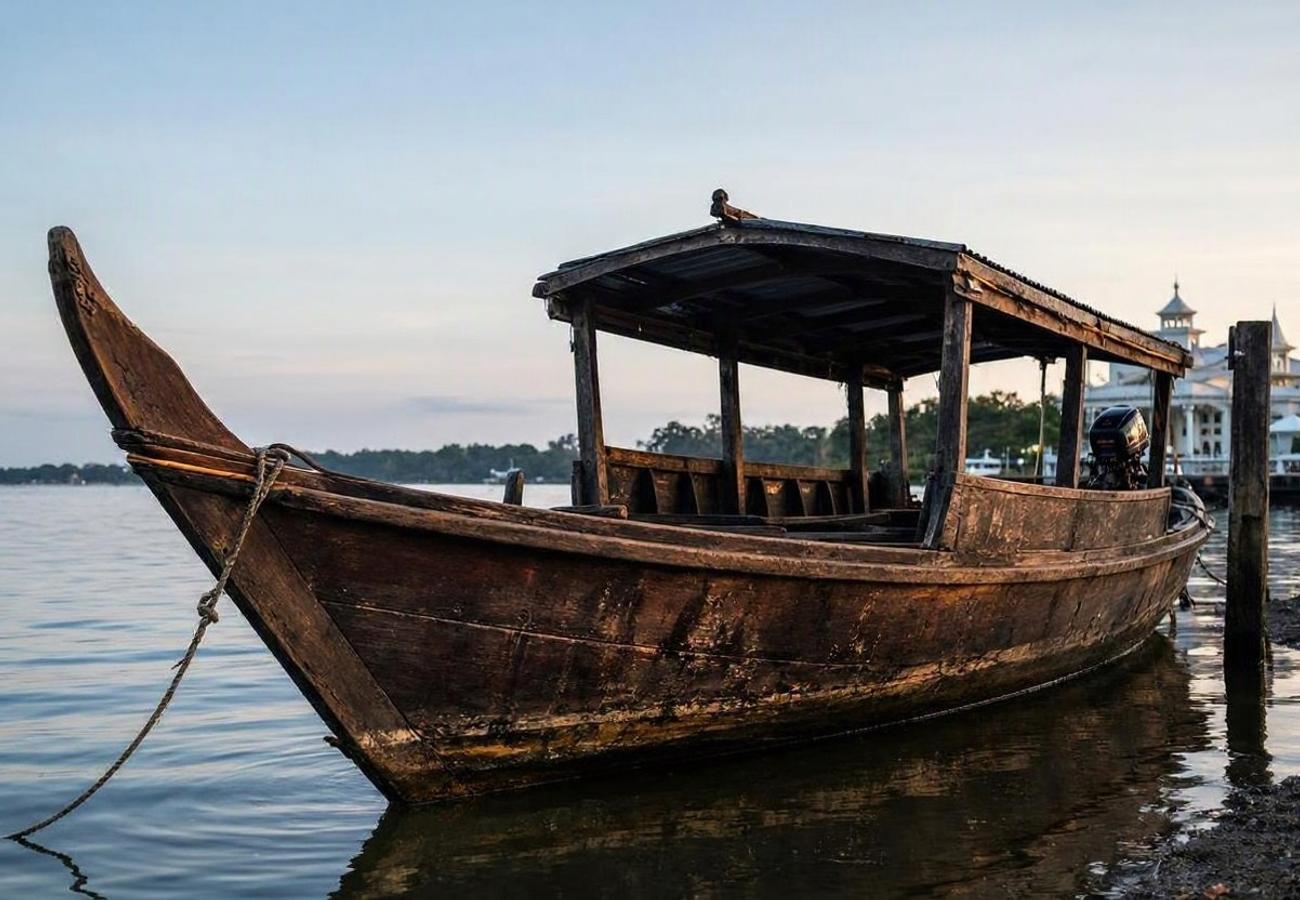
Image generated by AI
Most travelers view Brunei as a quiet enclave of oil wealth, but the sultanate is currently pivoting toward a massive cultural opening, culminating in the official "Visit Brunei Year 2027." This national campaign is not just about increasing hotel occupancy; it is a calculated effort to redefine the country's global identity from an energy hub to a premier destination for eco-tourism and halal-certified industry.
The Adelaide Pivot: Setting the Stage for 2027
Brunei recently executed a high-stakes diplomatic and commercial blitz in Adelaide, South Australia, from 28 to 30 September 2026. The goal was clear: bridge the gap between Australian capital and Bruneian opportunity. By integrating a dedicated investment roundtable with the broader Australia-ASEAN Business Forum, the Brunei Economic Development Board (BEDB) shifted the conversation from simple trade to long-term strategic partnerships.
The engagements were timed to build momentum for Visit Brunei Year 2027. While the business forum focused on the "hard" infrastructure of economy—energy and food—the underlying message to the international delegates was that Brunei is opening its doors wider than ever before. This dual-track approach ensures that by the time the 2027 tourism push hits its peak, the country will have a more diversified economy and improved infrastructure to support a surge in international arrivals.
What Makes Brunei Different
Unlike its neighbors in Southeast Asia, Brunei offers a specific blend of untouched primary rainforests and a deeply preserved Islamic heritage. The current strategy focuses on "complementary trade." While Brunei provides energy products and fertilizers to Australia, it is looking to import Australian innovation in agribusiness and renewable energy.
The sultanate is leveraging its strict halal certification framework as a competitive advantage. By combining Australian agricultural technology with Brunei's halal standards, the government aims to create a production hub that can export high-value, certified food products across the entire ASEAN region. This makes Brunei a unique gateway for Western businesses wanting to enter the Islamic economy.
Strategic Engagement Metrics
The following table breaks down the specific timeline and focus areas of the Adelaide mission:
| Category | Detail |
|---|---|
| Primary Host City | Adelaide, South Australia |
| Investment Roundtable Date | 28 September 2026 |
| Main Business Forum Dates | 29–30 September 2026 |
| Key Venue | Adelaide Convention Centre |
| Lead Agency | Brunei Economic Development Board (BEDB) |
| Priority Sectors | Food security, Agribusiness, Renewable Energy |
| Flagship Initiative | Visit Brunei Year 2027 |
| Key Participants | Australia, ASEAN member states, STEMSEL, Adelaide University |
Visitor Insider Tips
For those planning to visit during the lead-up to 2027, Brunei requires a different approach than the typical Southeast Asian backpacking trail.
- The "Quiet" Window: To avoid the crowds expected in 2027, visit in the shoulder seasons between the monsoon rains. Focus your time in Bandar Seri Begawan, but venture into the Temburong district via water taxi for a true rainforest experience.
- Cultural Etiquette: Brunei is a conservative Islamic state. Dress modestly—shoulders and knees covered—especially when visiting the stunning mosques. Respect for local customs is the fastest way to earn the trust of residents.
- Transport Hacks: While car rentals are common, utilizing local ride-sharing apps is becoming more efficient in the capital. For the rainforests, always book certified guides through the Brunei Tourism official channels to ensure environmental compliance.
- Foodie Focus: Seek out "Ambuyat," the national dish made from sago starch. It is a communal eating experience and the best way to understand the local rhythm of life.
Cultural and Environmental Context
The push toward Visit Brunei Year 2027 is happening against a backdrop of intense environmental preservation. Brunei possesses some of the most intact rainforests in Asia, and the government is wary of "over-tourism" that could jeopardize this biodiversity.
The focus is on high-value, low-impact tourism. By courting Australian expertise in renewable energy and "green" technology, Brunei is attempting to build a tourism infrastructure that doesn't rely on the carbon-heavy models of the past. The interaction between the UNESCO values of heritage preservation and the need for economic diversification is the central tension the BEDB is currently managing. The goal is to ensure that the influx of tourists in 2027 supports local communities without erasing the quiet, spiritual atmosphere that defines the sultanate.
FAQ: Visiting Brunei 2026-2027
What is the best time to visit Brunei? The best time is typically between September and December, though the "Visit Brunei Year 2027" campaign will likely introduce new seasonal festivals. Always check local weather for monsoon alerts.
Do I need a visa for Brunei? Visa requirements vary by nationality. Australian citizens and many ASEAN passport holders typically enjoy visa-free entry for short stays, but always verify with the nearest Bruneian embassy.
How do I get there from major hubs? Most international travelers fly into Brunei International Airport (BWN) via Royal Brunei Airlines, with frequent connections from Singapore, Kuala Lumpur, and other regional hubs.
Is it safe for solo travelers? Brunei is exceptionally safe with very low crime rates. Solo travelers are welcome, though adhering to local dress codes and social norms is highly recommended to ensure a smooth experience.
Brunei is no longer just a stopover; it is preparing to be the destination.
Related Travel Guides
Disclaimer
This article is for informational and educational purposes only. It does not constitute legal, financial, or professional advice. While we strive to provide accurate and up-to-date information, travel policies, regulations, and conditions change rapidly. Always verify information with official sources before making travel decisions. Nomad Lawyer makes no representations about the accuracy, reliability, completeness, or suitability of the information provided. Readers should consult qualified professionals for advice specific to their circumstances. The views expressed in this article are those of the author and do not necessarily reflect the views of Nomad Lawyer.
Kunal K Choudhary
Co-Founder & Contributor
A passionate traveller and tech enthusiast. Kunal contributes to the vision and growth of Nomad Lawyer, bringing fresh perspectives and driving the community forward.
Learn more about our team →