
Bristol Flight Delay: Seven Hours for One-Hour Journey Exposes Regional Airport Strain
Passengers endured a seven-hour delay for a 63-minute flight at Bristol Airport in April 2026, reigniting concerns about scheduling vulnerabilities and passenger support at a major UK regional hub under peak-time pressure.

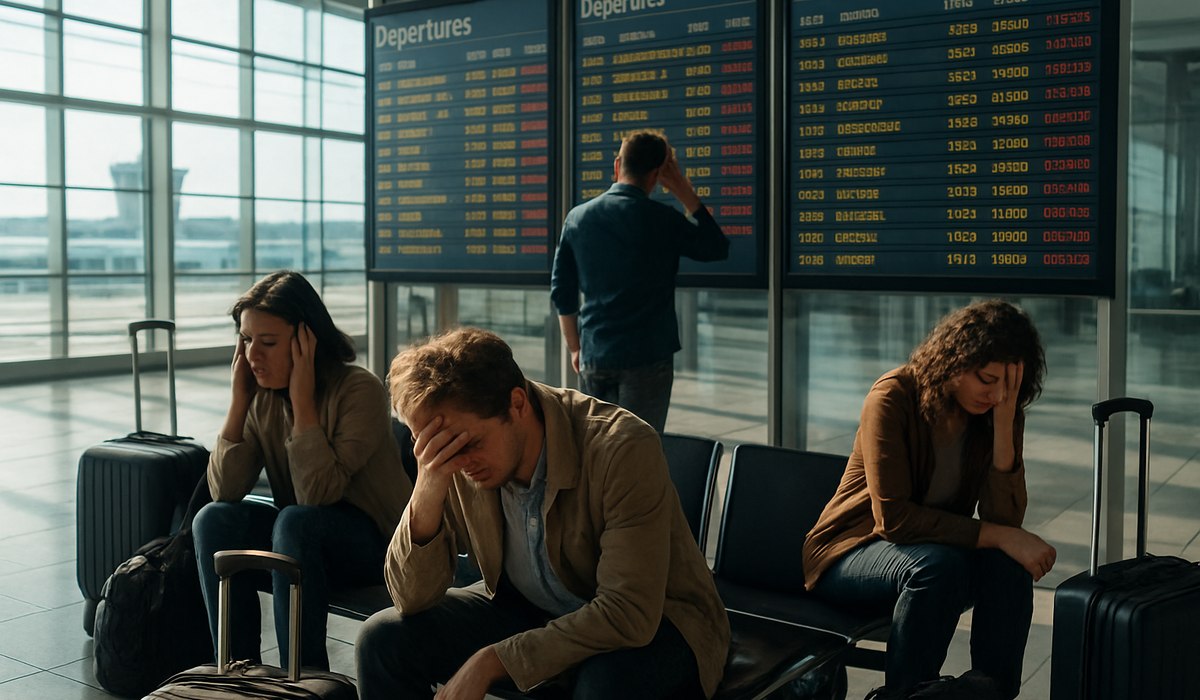
Image generated by AI
Passengers Stranded Seven Hours for One-Hour Flight at Bristol Airport
Bristol Airport passengers faced an extraordinary seven-hour delay for a regional flight scheduled to last just 63 minutes, according to reports from April 17, 2026. The disruption transformed a routine short-haul journey into an all-day ordeal, reigniting debate about capacity constraints and operational resilience at one of the UK's busiest regional aviation hubs. Travellers caught in the extended wait reported repeated departure time revisions, extended terminal stays, and confusion about passenger support entitlements, exposing systemic vulnerabilities in how disruption cascades through peak-time schedules at Bristol.
Seven-Hour Delay for One-Hour Journey: What Happened
The affected departure represented a dramatic disparity between scheduled flight time and ground delay. Passengers booked on a short regional route from Bristol faced approximately seven hours of waiting for a journey that, once airborne, would take just over an hour to complete. Flight tracking data consistent with the incident pattern shows aircraft held on the ground for extended periods before pushback, with departure estimates repeatedly adjusted throughout the day.
Initial expectations of minor delays compounded into frustration as hours passed without clear communication about rebooking options or onward connections. Passengers sought information about meal vouchers, accommodation arrangements, and compensation eligibility under UK air passenger rights frameworks. The experience highlighted how even single technical issues—aircraft maintenance, crew rotation complications, or air traffic management constraints—can trigger cascading disruptions affecting multiple flights when scheduling margins remain thin.
Systemic Issues at Bristol Airport: Pressure Points and Capacity Strain
Bristol Airport has evolved into a critical gateway for South West England and South Wales, processing record passenger volumes in recent years. Monthly traffic sometimes exceeds 1.2 million passengers, with low-cost carriers and leisure operators continuously expanding European route capacity. This growth delivers economic benefits to the region but amplifies operational vulnerability when disruptions occur.
Peak-time congestion emerges as a primary pressure point. Security and check-in queues surge during morning and late-afternoon peaks, with average security wait times reaching several tens of minutes on busy days. When flights depart in rapid succession, queue backlogs extend well beyond reasonable passenger expectations. Historic performance data indicates Bristol has sometimes recorded average delays exceeding 20 minutes against scheduled departure times across full operational months.
A single-runway operation compounds these challenges. Tight turnaround requirements and limited spare aircraft capacity mean that any schedule disruption—weather delays, crew unavailability, air traffic control constraints, or technical issues—ripples quickly through subsequent departures. Industry observers note that this structural constraint particularly affects short-haul networks where aircraft utilisation is critical to route profitability and schedule frequency.
Passenger Rights and Compensation: Understanding Your Entitlements
UK and retained EU air passenger rights legislation establishes clear obligations for airlines during extended delays. Passengers departing from UK airports may claim care, assistance, and financial compensation when delays result from factors within an airline's operational control rather than extraordinary circumstances.
Specific entitlements include meal vouchers or cash reimbursement for reasonable refreshments once delay thresholds are exceeded. Airlines must provide access to communications—telephone calls, emails, text messages—at no cost to affected passengers. When overnight stays become necessary, hotels or comparable accommodation must be arranged and paid for by the carrier. Flight rebooking on alternative services or competitor airlines may also constitute required care.
However, consumer reporting consistently documents cases where passengers received inadequate support. Many travellers reported arranging their own meals and accommodation, subsequently claiming reimbursement through formal procedures. Some experienced prolonged disputes with airlines over what constitutes "reasonable" expenses. Legal precedent distinguishes between extraordinary circumstances—severe weather, security threats, air traffic control decisions—where compensation liability may not apply, and operational failures where compensation obligations remain clear.
What This Means for Travelers: Actionable Guidance During Extended Delays
Extended delays at regional airports like Bristol demand proactive passenger response. Here's what you should do:
1. Document everything. Take photos of departure boards, timestamps on boarding passes, and written departure time revisions. Record airline staff interactions and any verbal confirmations about support.
2. Request written confirmation of delay reasons. Ask airline representatives for official statements about delay causes, which influence compensation eligibility and claims processes.
3. Claim immediate care entitlements. Request meal vouchers, refreshment allowances, and communication access without waiting for airline offers. Keep all receipts for reimbursement claims.
4. Verify rebooking alternatives. Ask about flights on competitor carriers, alternative routings to your final destination, and refund options if the flight becomes unusable for your travel purposes.
5. Report to flight tracking services. Submit delay reports to FlightAware and aviation monitoring platforms, creating independent records that support future claims.
6. File compensation claims promptly. Contact the airline within the specified timeframe (typically six years under UK law) with documented evidence of delays and expenses. Include copies of receipts, boarding passes, and correspondence with airline staff.
7. Escalate through regulatory channels. If airline responses prove inadequate, lodge complaints with the UK Civil Aviation Authority or relevant aviation regulator. The US Department of Transportation maintains guidance applicable to international passenger rights standards.
Key Data: Bristol Airport Delay Metrics and Operational Context
| Metric | Value | Impact |
|---|---|---|
| Recorded delay duration | 7 hours | Exceeded flight time by 6× |
| Scheduled flight duration | 63 minutes | Classified as short-haul regional |
| Monthly passenger volume (peak) | 1.2+ million | Capacity pressure indicator |
| Typical security wait times | 20-45+ minutes | Peak-period bottleneck |
| Historic average delays | 20+ minutes | Baseline operational variability |
| Single-runway configuration | Yes | Cascade disruption vulnerability |
| Spare aircraft capacity | Limited | Schedule flexibility constraints |
Traveler Action Checklist: Immediate Steps When Facing Extended Delays
-
Photograph all airport signage displaying departure times and delay announcements with timestamps clearly visible.
-
Record airline staff names and badge numbers during conversations about rebooking, accommodations, and compensation.
-
Request itemised receipts for all meals, refreshments, communications, and transport arranged at airline expense.
-
Obtain written delay reason confirmation from airline customer service representatives before leaving the airport.
-
File expense documentation immediately with airline guest relations using secure email with read receipts enabled.
-
Report the delay to FlightAware using their delay report feature to create independent verification records.
-
Monitor compensation claim deadlines carefully, as most jurisdictions impose six-year filing windows but airlines often resist claims after specific periods.
-
Escalate unresolved claims to aviation regulators rather than accepting airline denial without grounds.
FAQ: Common Questions About Bristol Flight Delays and Passenger Rights
Q: Am I automatically entitled to compensation for all flight delays?
A: No. Compensation applies when delays exceed three hours at destination and result from airline operational control (mechanical issues, crew scheduling, overselling). Extraordinary circumstances—severe weather, security threats, air traffic control decisions—typically exempt airlines from compensation liability, though care obligations remain.
Q: What constitutes "reasonable" meal expenses during a delay?
A: Reasonableness typically means standard restaurant or café pricing, not luxury dining. Airlines should reimburse moderate meals at airport facilities or nearby restaurants. Keep receipts showing business name, date, time, and itemised costs. Budget €12–18 per meal as general guideline, though airport pricing may exceed standard rates.
Q: How long do I have to file a compensation claim?
A: UK law generally permits six-
Disclaimer
This article is for informational and educational purposes only. It does not constitute legal, financial, or professional advice. While we strive to provide accurate and up-to-date information, travel policies, regulations, and conditions change rapidly. Always verify information with official sources before making travel decisions. Nomad Lawyer makes no representations about the accuracy, reliability, completeness, or suitability of the information provided. Readers should consult qualified professionals for advice specific to their circumstances. The views expressed in this article are those of the author and do not necessarily reflect the views of Nomad Lawyer.
Raushan Kumar
Founder & Lead Developer
Full-stack developer with 11+ years of experience and a passionate traveller. Raushan built Nomad Lawyer from the ground up with a vision to create the best travel and law experience on the web.
Learn more about our team →