
Botswana Teams Up With Oman To Drive Tourism Expansion As Africa And Gulf Destinations Build Stronger Travel Ties
Botswana Teams Up With Oman To Drive Tourism Expansion As Africa And Gulf Destinations Build Stronger Travel Ties

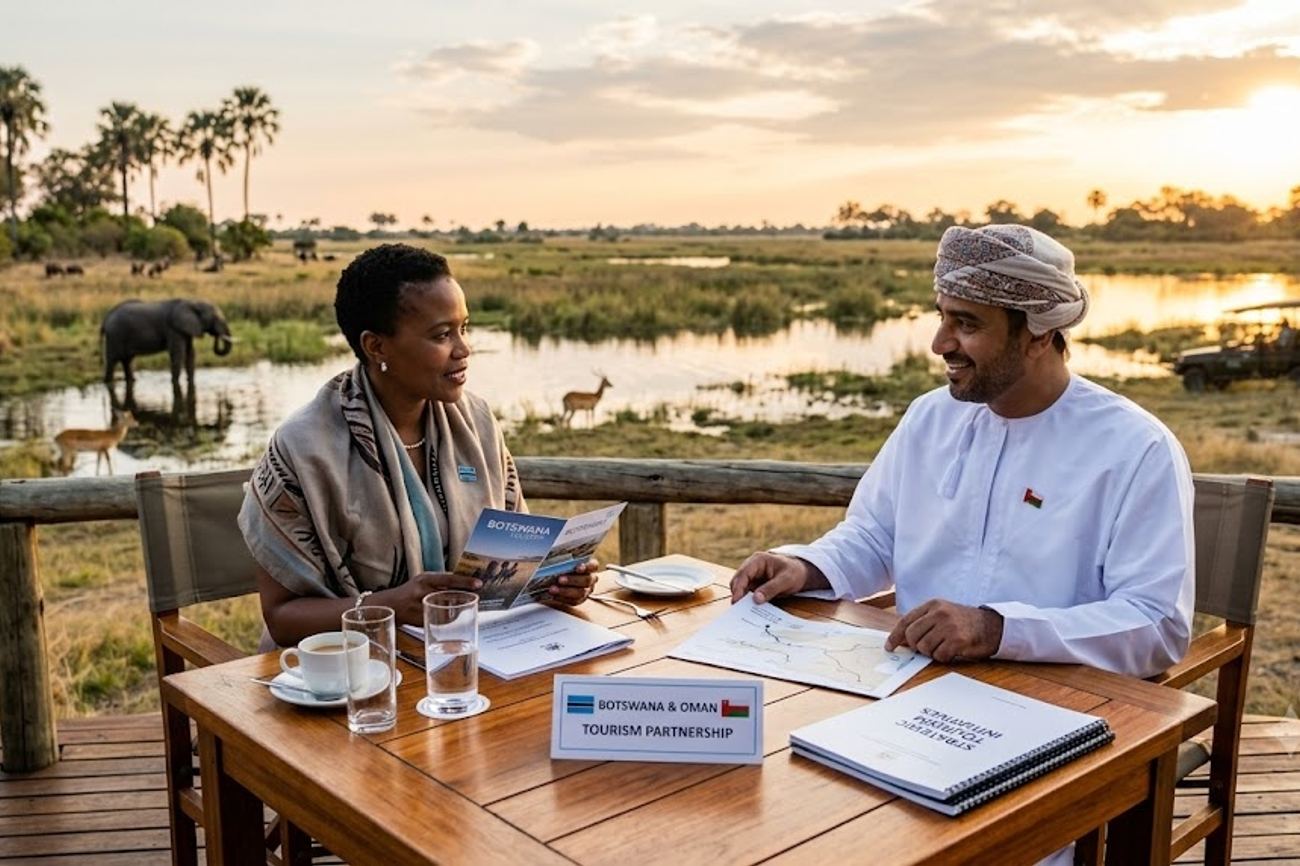
Image generated by AI
The current shift in Botswana-Oman diplomatic relations marks a pivot from traditional bilateral diplomacy to a strategic economic corridor, mirroring a broader pattern where Gulf Cooperation Council (GCC) states are aggressively diversifying investment portfolios into Sub-Saharan Africa. While the initial agreements focus on mining and energy, the secondary effect is the creation of a high-net-worth travel pipeline between the Arabian Peninsula and Southern Africa, a movement that aligns with the World Travel & Tourism Council's data regarding the rising demand for sustainable, high-value luxury tourism in emerging markets.
The Investment Pipeline in Numbers
The cooperation between Botswana and Oman is anchored in a series of strategic agreements that, while primarily industrial, serve as the catalyst for tourism growth. The framework focuses on four primary economic pillars: mineral exploration, petroleum infrastructure, renewable energy projects, and general business cooperation.
From a data perspective, the most significant lever for tourism is the renewable energy agreement. By integrating solar power projects into Botswana’s energy grid, the partnership addresses a critical bottleneck for luxury tourism: the energy cost and carbon footprint of remote safari lodges. In the high-value, low-impact tourism model Botswana employs, the transition to green energy directly correlates with the ability to scale premium eco-lodges in the Okavango Delta and Chobe National Park without compromising conservation mandates.
Furthermore, the expansion of business travel is an immediate byproduct. The surge in corporate exchanges within the energy and mining sectors creates a baseline demand for hospitality infrastructure. This "business-first" travel pattern typically precedes a "leisure-second" wave, where corporate visitors return with families for luxury vacations, effectively turning business delegations into high-spending tourism ambassadors.
Comparative Context: The Gulf-Africa Tourism Corridor
This partnership does not exist in a vacuum. It is part of a larger regional trend where Oman is positioning itself as a gateway for GCC investors into the African continent, while Botswana seeks to diversify its investment sources away from traditional Western markets.
Historically, Botswana's tourism has been dominated by European and North American arrivals. However, the shift toward Omani partnership suggests a strategic move to capture the growing luxury market of the Middle East. When compared to other Southern African destinations, Botswana’s "high-value, low-volume" strategy makes it a more attractive partner for Omani investors who prioritize exclusivity and sustainability over mass-market tourism.
The following table illustrates the complementary nature of the two markets and the projected shifts resulting from this cooperation:
| Metric | Botswana (Wildlife/Eco-Luxury) | Oman (Heritage/Culture) | Projected Synergy Effect |
|---|---|---|---|
| Primary Asset | Okavango Delta / Chobe NP | Ancient Forts / Coastal Ranges | Multi-destination "Desert & Delta" packages |
| Tourism Model | High-Value, Low-Impact | Cultural & Adventure Diversification | Increased GCC luxury spend in Southern Africa |
| Energy Focus | Remote Solar Integration | Renewable Energy Export/Investment | Lower OpEx for remote safari infrastructure |
| Traveler Profile | Conservationists / Luxury Seekers | Heritage Explorers / Nature Lovers | Cross-pollination of high-net-worth visitors |
According to IATA trends, the demand for non-traditional luxury routes is increasing. The Botswana-Oman link creates a unique corridor that bypasses traditional hubs, potentially leading to new charter arrangements or streamlined transit for travelers moving between the Arabian Peninsula and Southern Africa.
What This Means for Travelers
For the individual traveler, the deepening of these ties will likely manifest in three distinct ways: improved accessibility, new luxury inventory, and curated multi-continent itineraries.
1. The Rise of the "Wilderness-Heritage" Package: Travelers should expect to see the emergence of high-end, combined itineraries. If you are planning a luxury excursion in 2025 or 2026, look for packages that pair the Arabian deserts and forts of Oman with the wildlife conservation areas of Botswana. These "contrast trips" are becoming a staple for ultra-high-net-worth individuals seeking diverse environmental experiences in a single journey.
2. Enhanced Sustainability in Remote Lodging: The focus on renewable energy cooperation means that Botswana’s remote lodges will likely upgrade their green infrastructure. For the eco-conscious traveler, this means a reduction in the environmental footprint of safari stays. When booking, travelers can now prioritize lodges that utilize the new solar initiatives resulting from these bilateral energy agreements.
3. Shifting Booking Windows: As Omani investment flows into premium safari lodges and eco-friendly accommodations, the availability of top-tier rooms in the Okavango Delta may tighten due to increased demand from the GCC market. For Western travelers, booking 6 to 12 months in advance for peak seasons (June to October) is becoming non-negotiable to secure placement in high-demand, low-impact facilities.
Forward Projection: The Green Tourism Trajectory
Based on the current trajectory of these agreements, the partnership will evolve from industrial cooperation to a fully integrated tourism ecosystem. The most critical indicator to watch is the implementation of the solar power projects. As Botswana reduces its reliance on traditional energy, the cost of maintaining high-end luxury in remote wilderness areas will stabilize, allowing for a controlled expansion of the "premium lodge" sector.
We can project a shift in destination marketing where Botswana and Oman co-brand as "Sustainable Luxury" destinations. This alignment allows both nations to move away from budget-tourism models and instead target a demographic that values conservation and heritage over price.
Furthermore, the increase in business travel related to mining and petroleum infrastructure will likely lead to an upgrade in corporate hospitality services in Gaborone and Muscat. This creates a secondary market for "bleisure" (business + leisure) travel, where professional exchanges are extended into extended family vacations. The data suggests that as economic ties strengthen, the volume of people-to-people exchanges will grow proportionally, eventually necessitating more direct flight options or streamlined visa processes between the two regions.
FAQ: Botswana-Oman Tourism Trends 2025
Will flight prices between the Gulf and Southern Africa decrease? Initially, no. The focus is on high-value, luxury travel and business investment rather than mass-market tourism. However, increased demand may encourage airlines to add more frequencies or charter options, which could stabilize pricing over the long term.
Is this a good time to invest in Botswana's tourism sector? Yes, particularly in sustainable infrastructure. With Omani investment targeting renewable energy and premium lodging, there is a clear trend toward "green luxury" that aligns with global traveler preferences and government mandates.
Which types of experiences will be most promoted? Expect a surge in "contrast travel." This includes pairing Botswana's Big Five safaris and mokoro journeys with Oman's mountain adventures, traditional markets, and coastal heritage sites.
How does the renewable energy agreement affect the average tourist? It enhances the sustainability profile of the destination. Travelers will find more lodges operating on clean energy, reducing the ecological impact of their stay in sensitive areas like the Okavango Delta.
The intersection of Gulf capital and African conservation is redefining the luxury travel map, turning industrial diplomacy into a blueprint for sustainable tourism.
#BotswanaTourismGrowth #OmanInvestmentTrends #GCCAfricaCorridor #SustainableLuxuryTravel #EcoTourismData2025
Related Travel Guides
- Dubai and Abu Dhabi Tourism Surge as UAE Accelerates New 5-Year Multiple-Entry Visa Access
- Sweden Follows Thailand To Strengthen Tourism And Investment Ties Through Strategic Economic Partnership
- Cambodia Tourism Faces Preservation Challenge as Preah Vihear UNESCO Landmark Recovers From Conflict Damage
Disclaimer
This article is for informational and educational purposes only. It does not constitute legal, financial, or professional advice. While we strive to provide accurate and up-to-date information, travel policies, regulations, and conditions change rapidly. Always verify information with official sources before making travel decisions. Nomad Lawyer makes no representations about the accuracy, reliability, completeness, or suitability of the information provided. Readers should consult qualified professionals for advice specific to their circumstances. The views expressed in this article are those of the author and do not necessarily reflect the views of Nomad Lawyer.
Kunal K Choudhary
Co-Founder & Contributor
A passionate traveller and tech enthusiast. Kunal contributes to the vision and growth of Nomad Lawyer, bringing fresh perspectives and driving the community forward.
Learn more about our team →