
Boston Logan Travel Disruptions Hit Transatlantic Routes April 12
Boston Logan experienced major disruptions on April 12, 2026, as ten flights from Cape Air, Lufthansa, and Delta were grounded, triggering cascading delays across North American and European networks affecting thousands of transatlantic passengers.

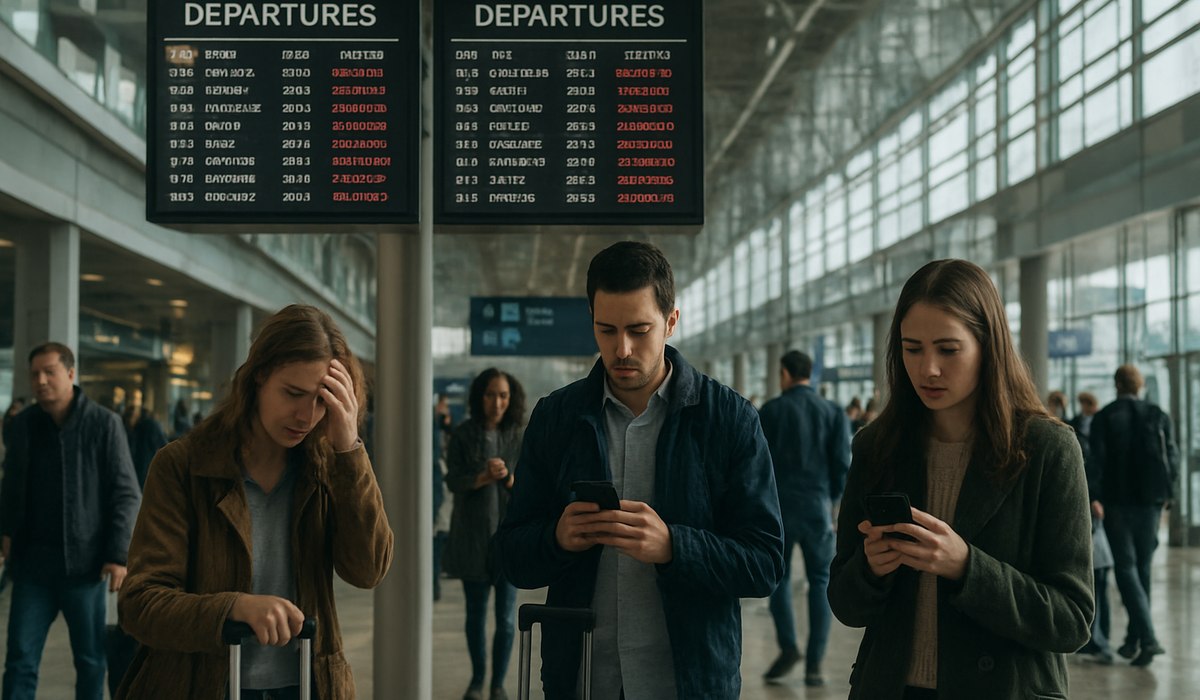
Image generated by AI
Boston Logan Travel Disruptions Cascade Across Two Continents
Boston Logan International Airport ground ten flights from three major carriers on April 12, 2026, setting off a chain reaction of delays and cancellations that rippled through North American and European hubs. Cape Air, Lufthansa, and Delta Air Lines pulled services from the schedule, affecting regional New England routes and long-haul transatlantic sectors simultaneously. Connecting passengers bound for Frankfurt, Munich, Seattle, and secondary markets like Nashville found themselves stranded or rebooked with minimal notice. The disruption underscores how bottlenecks at a major East Coast gateway can destabilize airline networks thousands of miles away within hours.
Ten Flights Grounded at Boston Logan on April 12
Flight-tracking data confirmed that at least ten departures and connecting services were canceled or indefinitely delayed at Boston Logan on April 12, 2026. The cancellations involved a mix of regional hops and international long-haul routes, multiplying the disruption's reach.
Cape Air removed several flights serving Augusta and Nashville from its regional network, aircraft substitutions were unavailable due to recent fleet constraints. Delta grounded multiple services to Seattle and other domestic hubs, forcing passengers into alternative routings through secondary cities. Lufthansa suspended at least two transatlantic frequencies tied to its Frankfurt and Munich gateways, with several feeder flights either removed entirely or significantly delayed.
Operational data indicated that some aircraft were repositioned to protect later rotations, yet immediate ground consequences included rolling delay estimates, last-minute gate reassignments, and involuntary rebookings. Passengers with tight connections through major airline hubs became especially vulnerable to missed onward flights. The scale of grounding activity suggested Boston Logan's dual role as both a regional New England hub and a critical link in global airline networks. When multiple carriers experience disruption simultaneously at such a strategic airport, ripple effects extend far beyond Massachusetts borders, particularly for boston logan travel requiring European connections.
Transatlantic and Regional Routes Most Affected
The impact on transatlantic routing proved immediate and severe. Lufthansa's Boston-to-Frankfurt and Boston-to-Munich services experienced delays exceeding four hours or outright cancellation. European feeder routes from secondary cities to these Frankfurt and Munich hubs subsequently faced capacity shortfalls, creating upstream delays that affected evening departures to North America.
Regional passengers bound for smaller markets suffered equally. Cape Air's network reduction meant travelers from Augusta, Maine had no direct connection into larger hubs, forcing expensive same-day rebooking onto mainline carriers or ground transportation to Portland or Manchester airports. Nashville-bound leisure and business travelers faced comparable obstacles, with alternative routings adding six to twelve hours to total journey times.
The timing amplified vulnerability for this segment. April 12 fell immediately before a planned Vereinigung Cockpit pilots' strike at Lufthansa, scheduled for April 13 and 14. Airlines typically begin network consolidation two to three days before large-scale labor actions, repositioning aircraft and crews proactively. For boston logan travel customers, this meant disruption extended beyond the formal strike window. Passengers booked through Munich or Frankfurt on April 12 and 13 discovered original itineraries adjusted regardless of local Boston weather or technical conditions.
Knock-On Effects Across Multiple Hubs
Seattle-based Delta hub operations absorbed hundreds of missed connections as grounded Boston departures forced passenger redistributions. Customers originally scheduled to connect through Seattle to Portland, San Francisco, and Los Angeles faced rebooking onto later flights, creating overnight hotel stays and missed business meetings.
Frankfurt and Munich experienced corresponding upstream delays as Lufthansa positioned fewer flights from Boston to feed its European network. Ground staff at both German hubs reported higher-than-normal connection-miss rates, with passengers unable to reach secondary European destinations as planned. This cascading impact extended to carriers operating code-share agreements with Lufthansa, affecting Star Alliance partners and interline passengers.
Chicago and Atlanta witnessed secondary delays as Delta rerouted some Boston passengers through alternative southeastern and midwestern hubs. Ground crews at these locations managed elevated passenger volumes, resulting in longer check-in queues and gate delays for subsequent departures. The cumulative effect transformed a single-airport disruption into a network-wide operational strain lasting well into April 13.
Industry observers noted that airlines routinely adjust capacity and trim schedules in the three to five days preceding major strikes, attempting to reposition assets strategically. The Lufthansa April 12 Boston grounding appeared consistent with this pre-strike planning rather than isolated technical failure. For travelers unfamiliar with labor action schedules, boston logan travel disruptions seemed sudden and unexplained, yet they reflected airline operational strategy responding to foreseeable industrial conflict.
What Travelers Should Know
The April 12 disruption highlighted systemic vulnerabilities in connecting itineraries and regional air service capacity. Passengers planning future trips through Boston Logan should monitor airline announcements regarding labor actions, weather patterns, and seasonal maintenance schedules affecting their specific flights.
Cape Air's reduced fleet following equipment inspections demonstrates how regional carriers' operational constraints magnify disruption risk for smaller-market travelers. Those flying from Augusta, Portland, or similar secondary airports should consider building additional time into connections or booking mainline carriers directly when possible.
The timing of disruption relative to labor actions matters significantly. Passengers traveling within forty-eight hours before or after announced strikes at major European hubs should expect elevated cancellation risk and should actively manage their bookings rather than assuming confirmed status reflects actual departure likelihood.
Boston Logan travel connecting internationally warrants particular attention to hub conditions at Frankfurt, Munich, Seattle, and Atlanta. Real-time flight status tracking through FlightAware or airline apps allows passengers to detect developing situations before notification arrives via email. Building two-hour buffer time into tight international connections provides safety margin when cascade delays threaten onward flights.
Key Data Table: Boston Logan April 12 Disruption Summary
| Metric | Value | Impact |
|---|---|---|
| Total Flights Grounded | 10 | Regional and transatlantic services removed entirely |
| Primary Carriers Affected | Cape Air, Lufthansa, Delta | Multiple network systems disrupted simultaneously |
| Average Delay (operating flights) | 4+ hours | Extended ground waits and connection risk |
| Regional Routes Impacted | Boston to Augusta, Nashville | Secondary market passengers rerouted via larger hubs |
| Transatlantic Routes Impacted | Boston to Frankfurt, Munich | European connection passengers face rebooking |
| Upstream Hub Impact | Seattle, Frankfurt, Munich, Chicago | Cascade effects extend 12+ hours beyond initial disruption |
| Affected Passengers (estimated) | 2,000+ | Ground transfers, hotel accommodations, missed meetings |
| Primary Cause Factor | Pre-strike network consolidation + regional fleet constraints | Predictable but system-wide consequence |
What This Means for Travelers
Experiencing disruption at boston logan travel connections requires immediate, decisive action rather than passive waiting. Here are numbered strategies for maximizing your options:
-
Contact your airline immediately upon disruption notification. Call the reservations number rather than relying on web rebooking, which prioritizes available seats without considering your specific needs. Phone agents retain authority to book premium cabin upgrades or route you through non-standard hubs to minimize delay.
-
Request written confirmation of rebooking before leaving the airport. Email confirmations containing booking reference numbers protect against oversold flights or subsequent cancellations affecting your new itinerary.
-
Activate travel insurance claims early if coverage applies. Most comprehensive policies require notification within specific windows, and April 12 disruptions potentially qualified for cancellation or delay reimbursement depending on policy terms.
-
Book ground transportation to alternative northeastern airports immediately. If Boston Logan experiences cascading delays, flying instead from Hartford Bradley or Manchester Airport (90 to 120 minutes drive) often preserves schedule integrity, especially for transatlantic flights.
Disclaimer
This article is for informational and educational purposes only. It does not constitute legal, financial, or professional advice. While we strive to provide accurate and up-to-date information, travel policies, regulations, and conditions change rapidly. Always verify information with official sources before making travel decisions. Nomad Lawyer makes no representations about the accuracy, reliability, completeness, or suitability of the information provided. Readers should consult qualified professionals for advice specific to their circumstances. The views expressed in this article are those of the author and do not necessarily reflect the views of Nomad Lawyer.
Raushan Kumar
Founder & Lead Developer
Full-stack developer with 11+ years of experience and a passionate traveller. Raushan built Nomad Lawyer from the ground up with a vision to create the best travel and law experience on the web.
Learn more about our team →