
Boston Children’s Museum Commences $18 Million Waterfront Resiliency Construction
Boston Children's Museum begins its $18 million Waterfront Resiliency Plan in August 2026 to defend Fort Point Channel against rising sea levels and flooding.

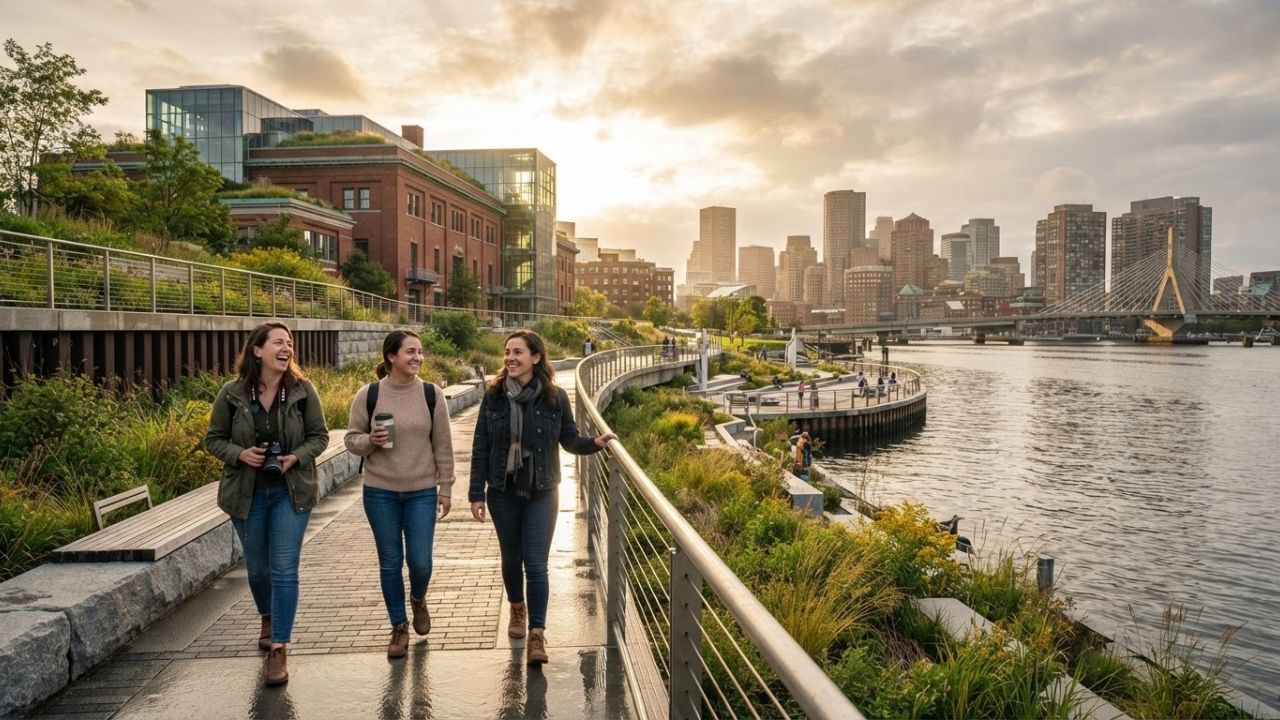
Image generated by AI
The Boston Children’s Museum is set to begin construction on its landmark $18 million Waterfront Resiliency Plan in August 2026 to protect its historic structure against rising sea levels and severe coastal storms. Having secured over $15 million in initial funding, this multi-stage project along the Fort Point Channel will reinforce the 135-year-old building, upgrade critical municipal utility infrastructure, and establish a model for public climate education.
The Boston Children’s Museum is using the first phase of a multi-year effort to upgrade its waterfront to educate as well as serve the community. Rising sea levels, worse storms, and flooding eventually will affect the museum located along Fort Point Channel in South Boston. The Waterfront Resiliency Plan officially moves into construction in August 2026, introducing a series of infrastructure upgrades designed to reduce flood damage, protect essential systems, and prepare the museum for future climate challenges.
The project combines environmental protection with educational experiences, allowing visitors to better understand coastal ecosystems and climate adaptation.
Severe Winter Storm Exposure and Fort Point Channel Flood Risk
Boston has been recognized as one of the major global cities facing significant flooding risks. Climate projections identify South Boston and nearby waterfront districts as highly exposed under different sea-level-rise and storm scenarios. Previous extreme weather events demonstrated the vulnerability of the region, with severe winter storms causing floodwaters to reach surrounding streets and impact the museum.
In response to climate change, the museum set ambitious goals for its Waterfront Resiliency Plan. The plan will deepen the museum's connection to the harbor and natural environment. David Healy, Board Chair, noted that when complete, the plan will offer visitors a more resilient, accessible, playful, and educational waterfront that supports the museum's core mission, vision, and values.
This multi-stage initiative provides immediate protection while supporting wider coastal adaptation efforts across Boston. By combining municipal engineering with interactive public space design, the museum is demonstrating how urban cultural institutions can take a proactive stance in safeguarding their heritage.
Adapting Historic Infrastructure: The Phase 1 Defensive Upgrades
The first phase focuses on strengthening the museum’s existing building structure and protecting critical systems from flooding risks expected over the coming decades. Construction will include improvements to the building envelope, advanced drainage solutions, and upgrades to essential utility infrastructure.
Specifically, the project will reinforce the building’s exterior systems to limit water intrusion during flooding. It will also introduce below-ground drainage networks, pumps, and water storage solutions to manage excess floodwater. In addition, critical utility systems will be protected and relocated where necessary to prevent severe operational disruptions. These improvements are expected to reduce the risk of major damage that could force temporary closure of the museum and require costly repairs.
Protecting these essential systems is particularly important for maintaining uninterrupted access for families, schools, and visitors who rely on the museum’s educational programmes. The initiative highlights the growing need for cultural institutions in coastal locations to invest in climate adaptation strategies that protect both historic structures and public services. Having secured more than $15 million in funding support to begin this first phase of construction, the museum is positioned to execute these structural enhancements without disrupting its daily operations.
Living Shorelines and Floating Gardens: Integrating Nature-Based Solutions by 2070
A future second phase will transform the museum’s outdoor waterfront area into a climate-resilient public park designed to provide additional protection through 2070. The planned space will improve access to Fort Point Channel and Boston Harbor while creating new opportunities for recreation, environmental learning, and community engagement.
Beyond infrastructure improvements, the project aims to create a more engaging and environmentally focused waterfront experience for visitors. The redesigned area will integrate climate education, outdoor exploration, and public access along the Harborwalk and Fort Point Channel. Plans include greener waterfront spaces, habitat restoration features, and interactive areas where children can learn about marine environments and coastal ecosystems. Future improvements will introduce features such as living shorelines, floating gardens, and tide pool habitats, creating a hands-on environment where visitors can explore the relationship between cities, waterways, and nature.
These nature-based solutions serve a dual purpose: they act as a natural buffer against storm surges while revitalizing local marine habitats that have been impacted by industrial development. The project will enhance connections between the museum and Boston Harbor, creating a welcoming public space for residents and tourists while supporting the city’s wider waterfront development goals.
Safeguarding the Seaport: Climate Resiliency as an Economic Driver
Economic Development Secretary Eric Paley emphasized the importance of the project, stating that preparing for climate change is essential in protecting Massachusetts’ economic future. The Boston Children’s Museum is not only a beloved destination for families, but also an important driver of tourism and economic activity on Boston’s waterfront. This project will safeguard a historic institution, strengthen surrounding neighborhoods, and showcase how thoughtful investments in resilience help create secure, sustainable communities.
Once completed, the full project will contribute to broader flood resilience efforts across surrounding areas, helping reduce the impact of potential flooding pathways affecting the Seaport, South Boston, and neighbouring communities. Fort Point Channel represents a critical pathway where rising water can travel inland, threatening residential buildings and commercial properties.
Chief Climate Officer at the City of Boston, Brian Swett, stated that increasing protections along Fort Point Channel is a vital piece of Boston’s broader climate resilience strategy. This project shows how strategic investments and nature-based solutions can safeguard critical infrastructure while expanding vibrant, accessible waterfront space for all Boston families. By coordinating with city and state departments, the museum's plan aligns with the broader municipal goal of building a climate-ready harbor as part of the City of Boston Climate Ready initiative and guidelines from the Massachusetts Office of Coastal Zone Management.
Local Insider Guide: Navigating Fort Point Channel and Boston Harborwalk
To help you explore the Fort Point Channel area and enjoy the waterfront responsibly during the construction phase, follow these local recommendations:
- Optimal Visit Windows: To avoid school groups and peak tourist crowds, visit the museum during mid-week afternoons, particularly Tuesday through Thursday after 2:00 PM. The winter shoulder season, from January to March, also offers a much quieter indoor environment.
- Cultural Etiquette: The Fort Point neighborhood is a historic industrial zone that has evolved into a thriving district for local artists and residents. Respect local gallery guidelines and private entryways. When walking along the Harborwalk near the construction zones, keep children close and stick to designated pedestrian paths.
- Local Dining Specialties: Avoid the corporate chains in the Seaport and support independent neighborhood businesses. Try fresh New England lobster rolls and hot clam chowder from the family-owned seafood shacks along the channel, or visit the historic bakery cafes housed in the area's converted brick warehouses.
- Under-the-Radar Spots: Take a walk past the museum's deck to see the iconic Hood Milk Bottle, a 40-foot-tall wooden structure that has stood along the channel since 1977. You can also explore the Boston Fire Museum, located nearby in an 1894 firehouse, or relax in Martin's Park, a nature-inspired play space dedicated to the memory of Martin Richard.
Future-Proofing New England: Strategic Climate Leadership
The Waterfront Resiliency Plan represents a significant investment in protecting one of Boston’s most recognised family attractions, ensuring the 135-year-old building remains a safe and accessible destination for future generations. By combining flood protection, sustainable design, and environmental education, the initiative demonstrates how cultural institutions can adapt to the realities of climate change.
As coastal communities worldwide face growing environmental pressures, the museum's resilience project provides a tangible template for how historic landmarks can be protected. The work establishes a precedent for how public-private funding can preserve cultural assets while expanding open, public recreation spaces.
Ultimately, this project marks a major step towards a safer and more sustainable waterfront future for Boston. By ensuring that the city's children are educated on these environmental challenges in the very place designed to protect them, the museum is cultivating the next generation of climate stewards.
Related Travel Guides
Disclaimer
This article is for informational and educational purposes only. It does not constitute legal, financial, or professional advice. While we strive to provide accurate and up-to-date information, travel policies, regulations, and conditions change rapidly. Always verify information with official sources before making travel decisions. Nomad Lawyer makes no representations about the accuracy, reliability, completeness, or suitability of the information provided. Readers should consult qualified professionals for advice specific to their circumstances. The views expressed in this article are those of the author and do not necessarily reflect the views of Nomad Lawyer.
Kunal K Choudhary
Co-Founder & Contributor
A passionate traveller and tech enthusiast. Kunal contributes to the vision and growth of Nomad Lawyer, bringing fresh perspectives and driving the community forward.
Learn more about our team →