
Bolivia Global Hotspots Unveil Secluded Escapes in 2026
Bolivia joins a global tourism shift toward secluded destinations in 2026, alongside the US, Japan, and Portugal. Major nations pivot away from overtourism hotspots toward low-impact, nature-first travel experiences.

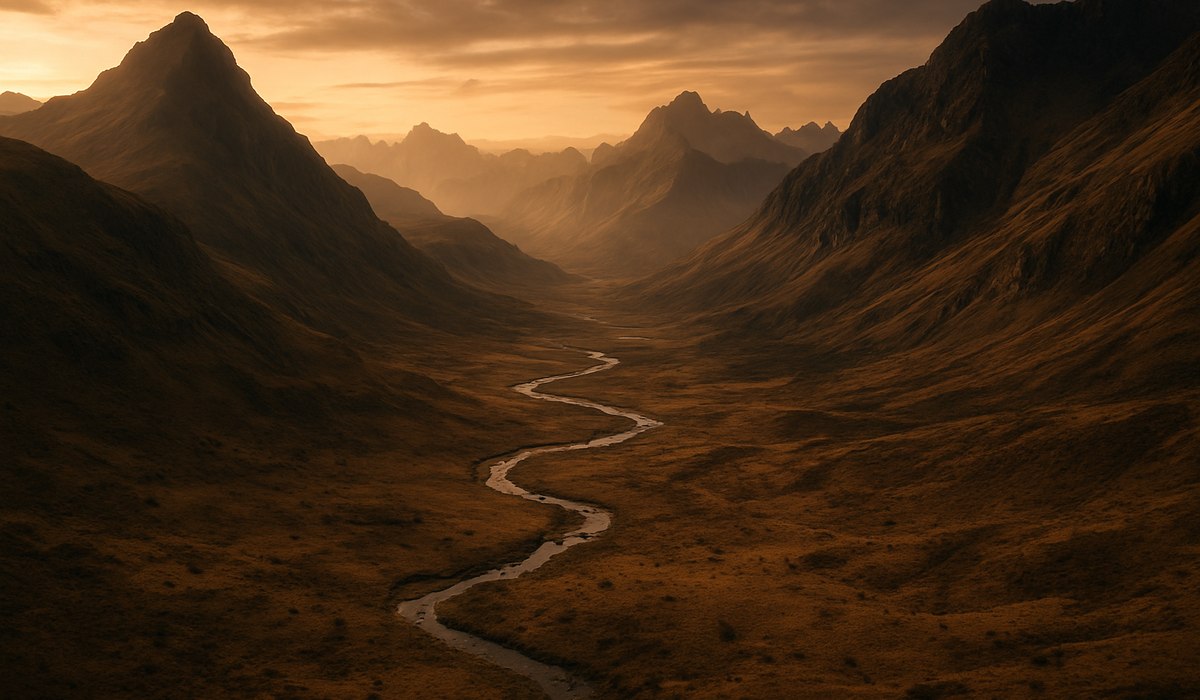
Image generated by AI
A Coordinated Global Shift to Quieter Destinations
Bolivia emerges as a premier secluded destination alongside the United States, Japan, Portugal, Australia, and India in a sweeping global pivot toward low-impact travel. Major tourism markets are now dispersing visitors away from overcrowded landmarks toward remote regions that prioritize wilderness access, cultural authenticity, and authentic community engagement. National tourism boards and park agencies across multiple continents are publicly emphasizing "low-density territories" and "balanced visitor flows" as core strategies for 2026 and beyond.
This coordinated movement reflects a fundamental shift in how governments manage tourism infrastructure. Younger and more experienced travelers are actively seeking discovery over monument-chasing, favoring week-long immersions in small communities rather than rapid urban tours. Industry analyses confirm that demand for destinations combining wilderness, cultural authenticity, and slower itineraries continues accelerating. The pivot simultaneously addresses overtourism pressures that have strained flagship cities and national parks, protecting both local quality of life and natural ecosystems that sustain long-term tourism viability.
A Global Pivot Toward Quiet, Low-Impact Destinations
Publicly available tourism strategies from multiple nations reveal a consistent pattern: deliberate efforts to redirect visitor flows from saturated hotspots toward underutilized regions. This represents a fundamental recalibration of how major destinations market themselves globally. Rather than competing for massive tourist volumes, countries are now positioning themselves as gateways to solitude, sustainability, and meaningful cultural exchange.
Travel trend reports for 2025 and 2026 consistently identify younger demographics as primary drivers of this transformation. These travelers demonstrate willingness to navigate longer journeys, unpaved roads, and basic accommodations in exchange for authentic experiences. Policy documents from tourism ministries emphasize infrastructure investments in secondary cities, remote national parks, and Indigenous territories rather than traditional resort corridors. This diversification strategy aims to generate revenue while protecting overtaxed ecosystems and communities.
The economic calculus has shifted: sustainable, lower-volume tourism now appears preferable to mass-market approaches that damage destination appeal. Regional park agencies report stronger visitor satisfaction metrics when capacity limits are enforced. Community-based tourism enterprises, particularly in developing nations, benefit substantially from direct spending through local guides, homestays, and craft cooperatives rather than large international chains.
Bolivia's Remote Andes and Amazon Step Into the Spotlight
Bolivia positions itself as a breakthrough destination for travelers seeking authentic wilderness immersion. The country's tourism strategy explicitly targets increasing arrivals by 2026 while maintaining low environmental impact through dispersed, community-anchored experiences. Lesser-visited Andean stretches, cloud forests harboring rare species, and river systems with limited-capacity ecolodges define the emerging product offerings.
Regional tourism bodies now actively promote multi-day treks, boat journeys, and overland routes as signature experiences rather than logistical challenges. Lake districts framed by snowcapped peaks provide trekking alternatives to crowded routes in neighboring Andean nations. The Bolivian Amazon offers river-based ecolodges designed to maintain solitude while channeling visitor spending directly into local economies. Protected-area networks spanning millions of acres remain relatively undiscovered compared to competing South American destinations.
Bolivia's vast geography and low visitation density create ideal conditions for responsible tourism growth. Dark skies, minimal traffic noise, and intact traditional rural communities characterize the landscape. However, this positioning also requires visitors to understand responsible behavior protocols within fragile ecosystems and Indigenous territories. Adequate preparation, extended timelines, and cultural sensitivity emerge as prerequisites for meaningful Bolivian travel experiences. For nomadic professionals and remote workers, the combination of low costs, pristine wilderness, and reliable connectivity in emerging hubs creates compelling extended-stay opportunities.
Learn more about responsible tourism practices in South America.
Why Travelers Are Choosing Solitude Over Landmarks
Contemporary travel psychology reveals a decisive generational shift away from monument accumulation toward authentic place-based experiences. Social media fatigue, long queues at famous sites, and concerns about environmental degradation drive this preference recalibration. Travelers increasingly value quiet mornings over crowded sunrise viewpoints, meaningful conversations with local residents over rushed museum tours.
The appeal of secluded destinations addresses multiple traveler motivations simultaneously. Remote locations provide digital detox opportunities while delivering storytelling richness unavailable in tourist-saturated zones. Photographers and content creators discover authentic imagery in lesser-known areas rather than replicating millions of identical landmark photos. Adventure travelers and outdoor enthusiasts find genuine wilderness challenge and wildlife encounter opportunities.
Cultural authenticity emerges as perhaps the most significant motivation driver. Communities that experience minimal tourism pressure retain traditional practices, languages, and social structures that disappear under mass-market pressure. Travelers report deeper satisfaction when they contribute directly to local economies through homestays, guide employment, and artisan purchases rather than through large resort chains.
Bolivia specifically appeals to travelers seeking combination experiences: high-altitude trekking, jungle immersion, cultural interaction, and archaeological exploration within single extended journeys. This diversity reduces the need for multiple destinations while deepening engagement with each location.
Policy-Driven Tourism Dispersal Reshapes Destination Strategy
Government initiatives across major tourism economies now explicitly incorporate visitor dispersal into planning frameworks. National park systems implement tiered reservation systems, adjusted entrance fees, and temporal access restrictions designed to balance conservation with economic benefit. Regional tourism boards receive increased funding to develop secondary attractions and infrastructure.
The United States National Park Service has expanded management protocols for 2026 specifically addressing overcrowding at iconic sites like Yosemite, Glacier, and Rocky Mountain parks. Traffic management systems, adjusted reservation windows, and dynamic pricing encourage visits during shoulder seasons. Simultaneously, state tourism offices promote lesser-known units within the park system: Blanchard Springs in Arkansas exemplifies emerging cavern and forest experiences attracting minimal crowds while offering comparable recreational value.
Japan's tourism diversification strategy explicitly directs visitors toward rural prefectures and coastal regions beyond Tokyo-Kyoto corridors. Portugal similarly emphasizes Douro Valley wine regions, northern coastal communities, and interior mountain villages. Australia's strategies highlight Aboriginal cultural experiences in remote interior regions. India's initiatives promote lesser-known Himalayan circuits and southern temple complexes.
These policy frameworks share consistent elements: infrastructure investment in secondary destinations, marketing resources directed toward alternative experiences, and fee structures incentivizing distributed travel patterns. The result creates genuine opportunities for travelers seeking authentic, less-crowded destinations while distributing tourism's economic benefits more equitably across nations.
Explore how the United Nations World Tourism Organization guides sustainable tourism development.
Key Data: Global Tourism Shift Toward Secluded Destinations
| Destination/Region | Key Initiative | Expected Visitor Impact | Primary Experience | Policy Focus | Timeline |
|---|---|---|---|---|---|
| Bolivia | Community-anchored ecolodge expansion | +15-20% by 2026 | Andes trekking, Amazon river journeys, Indigenous territories | Low-density capacity limits | 2026-2028 |
| United States | National Park reservation redesign, secondary site promotion | Redistribution from iconic parks | Backcountry hiking, caverns, remote trails | Overcrowding mitigation | Summer 2026+ |
| Japan | Rural prefecture tourism investment | +25% outside Tokyo-Kyoto | Mountain villages, coastal communities, agricultural experiences | Regional economic dispersal | 2026-2027 |
| Portugal | Interior mountain and Douro Valley promotion | +30% to secondary destinations | Wine regions, rural homestays, hiking circuits | Balanced geographic development | 2026-2029 |
| Australia | Aboriginal cultural experience programs | +18% to remote regions | Interior cultural immersion, guided wilderness journeys | Indigenous community partnerships | 2026+ |
| India | Himalayan and southern temple circuits | +22% to alternative routes | Mountain trekking, temple complexes, yoga retreats | Religious and adventure tourism balance | 2025-2028 |
What This Means for
Disclaimer
This article is for informational and educational purposes only. It does not constitute legal, financial, or professional advice. While we strive to provide accurate and up-to-date information, travel policies, regulations, and conditions change rapidly. Always verify information with official sources before making travel decisions. Nomad Lawyer makes no representations about the accuracy, reliability, completeness, or suitability of the information provided. Readers should consult qualified professionals for advice specific to their circumstances. The views expressed in this article are those of the author and do not necessarily reflect the views of Nomad Lawyer.
Preeti Gunjan
Contributor & Community Manager
A passionate traveller and community builder. Preeti helps grow the Nomad Lawyer community, fostering engagement and bringing the reader experience to life.
Learn more about our team →