
Climate Whiplash: How Glacier Retreat is Reshaping Bolivian Adventure Travel
Bolivia's Cordillera Real glaciers have decreased by over forty percent. Learn how climate whiplash alters mountaineering routes and how guides are adapting.

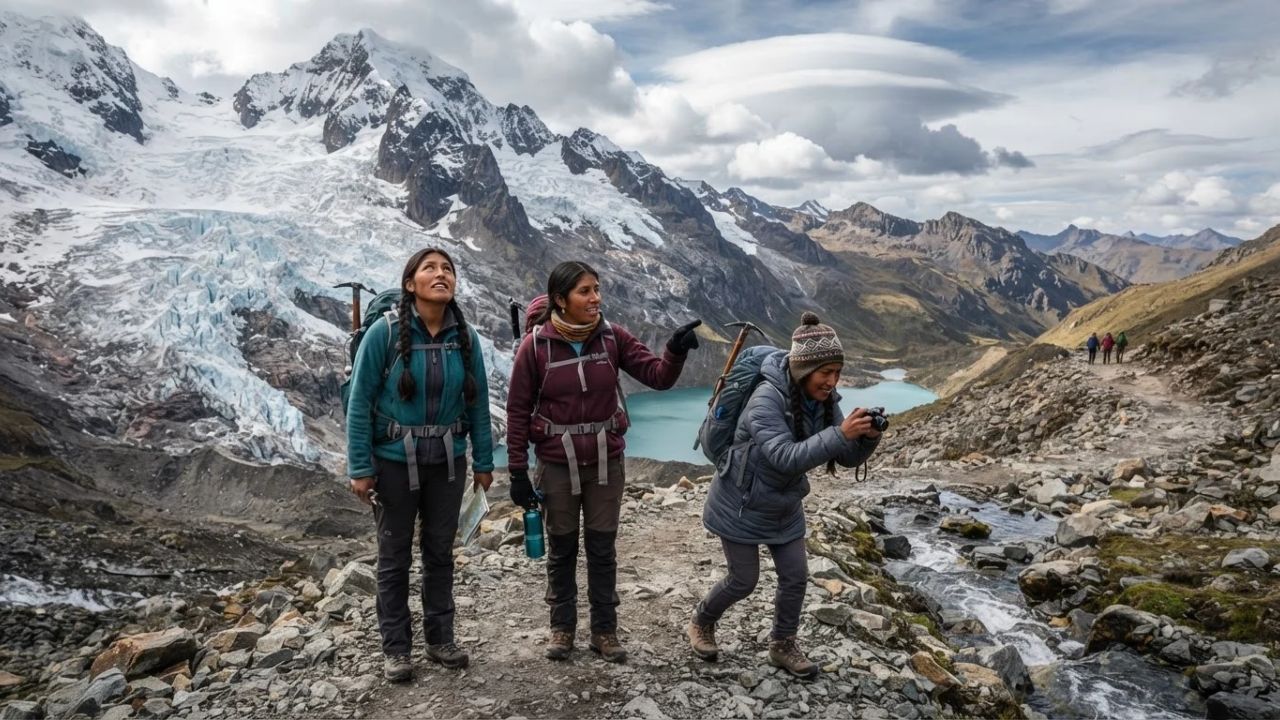
Image generated by AI
Glaciers in Bolivia’s Cordillera Real have decreased in surface area by more than forty percent over recent decades, exposing how rapid climate whiplash is transforming high-altitude adventure tourism. Severe weather volatility and shrinking ice fields are forcing local guiding cooperatives to completely rebuild mountaineering routes and adapt base camp logistics.
The Reality of Climate Whiplash in the Andes
For generations, the snow-covered peaks of the Bolivian Andes have drawn mountaineers and trekkers seeking pristine ice fields and technical climbing routes. Today, however, visitors to the high cordilleras find a rapidly changing environment. The region is experiencing climate whiplash, characterized by severe, rapid swings between prolonged droughts and intense, unseasonal precipitation events.
According to scientific inventories of the Cordillera Real, regional glaciers have decreased in surface area by more than forty percent during the last few decades. This decline, highlighted by the World Bank Climate Change Knowledge Portal, is remaking the high-altitude topography. It introduces a new era of unpredictability for travelers, guides, and eco-tourism operators, requiring a complete redesign of how expeditions are planned and managed.
Disrupted Mountaineering in Huayna Potosí and Condoriri
In popular climbing destinations like Huayna Potosí and the Condoriri range, weather anomalies directly affect traditional mountaineering itineraries:
- Unpredictable Ice Conditions: Routes that once offered stable, hard-packed snow now feature brittle, hollow ice bridges and exposed rock due to accelerated melting.
- Rockfall Hazards: As permafrost warms and superficial ice recedes, destabilized moraines and cliff faces create frequent, dangerous rockfalls along standard trekking paths.
- Storm Volatility: Unseasonal blizzards and rapid temperature swings narrow safe summit windows and lead to more operational cancellations.
- Base Camp Infrastructure: Water sources near high-altitude shelters are freezing inconsistently or drying up, forcing guides to haul critical water supplies from lower elevations.
These environmental changes mean that classic routes are becoming technically more demanding. Guiding agencies must work with smaller rope teams, adapt their safety margins, and require higher technical proficiency from climbing clients.
Adapting Trekking Circuits in Apolobamba and the Altiplano
The retreat of the cryosphere also impacts lower-altitude trekking circuits, such as the trails winding through Apolobamba and across the Cordillera Real. Riverbeds once fed by steady glacial streams are dry during droughts, yet vulnerable to flash floods during unseasonal downpours. These sudden floods can wash out access roads and vital pedestrian bridges.
To adapt, local tourism cooperatives and international outfitters are modifying historic pathways. Municipal authorities in the La Paz department, working alongside the United Nations Development Programme (UNDP) and rural communities, are building climate-resilient pathways and alternative water storage systems. This work is necessary to ensure that eco-tourism can continue without putting additional pressure on local water resources. Additionally, muleteers and porters are adapting to changing grazing patterns for their pack animals as high-altitude pastures degrade.
Livelihoods and Community-Centered Conservation
For the visitor, the real impact of these changes is the opportunity to support the mountain communities that form the backbone of Andean travel. Porter and muleteer associations are directly affected by the shifting seasonal windows and route closures. Choosing to travel responsibly in the Altiplano means supporting these local workers through fair wages and certified community-owned operators.
Booking through agencies certified by regional mountain guide associations ensures that tourism revenue is reinvested in local environmental protection and safety training. These initiatives help mountain communities develop alternative livelihoods, such as managing conservation zones and maintaining sustainable trail networks. By practicing leave-no-trace ethics, visitors prevent accelerated soil erosion and protect fragile freshwater reserves.
For example, you can explore the changing dynamics of US Cities Drive Global Tourism Through BBQ, Jazz, Sports, and Authentic Heritage to see how regional pride is shaping travel. For budget-conscious travelers, aligning slow city travel with municipal transit options mirrors similar regional initiatives, such as the Free Admission at Select US State Parks programs. This trend is similar to the tourism growth seen in other destinations, as detailed in our guide on how Utica, New York Emerges as an Affordable Northeast Tourism Hub.
Visitor Insider Tips: High-Altitude Preparation
To explore the Bolivian Andes safely and responsibly while adapting to changing climate conditions, keep these practical tips in mind:
- Extend Acclimatization: Plan for extra days in La Paz or regional valleys like the Sorata basin before beginning high-altitude treks. Thinner air profiles and volatile weather increase physical exhaustion.
- Flexible Itineraries: Keep your travel plans adaptable. Sudden road closures, extreme weather warnings, or trail maintenance can require adjustments to your route.
- Hire Certified Guides: Book exclusively with licensed guides certified by the Association of Mountain Guides of Bolivia (AGMTB). They possess the training to assess changing ice conditions and manage route risks.
- Monitor Weather Services: Check daily updates from national park authorities and regional weather services before departing base camps, especially when climbing peaks like Huayna Potosí.
- Carry Water Treatment: Do not rely on glacial streams for drinking water, as dry periods can reduce flow. Carry lightweight water filtration systems or treatment tablets.
Long-Term Outlook for Andean Ecotourism
The long-term outlook for adventure travel in Bolivia depends on proactive adaptation and environmental stewardship. While glacier retreat presents significant challenges, it also highlights the need for sustainable travel practices that protect the Altiplano.
Municipalities and community groups that invest in climate-resilient trail systems and coordinate with international conservation bodies will be well-positioned to manage these changes. Protecting the natural beauty of the Cordillera Real will ensure that it remains a destination for high-altitude exploration.
FAQ
How much have glaciers decreased in the Cordillera Real?
Scientific inventories show that regional glaciers in the Cordillera Real have decreased in surface area by more than forty percent over the last few decades.
What is climate whiplash in the Andes?
Climate whiplash refers to severe, rapid shifts between prolonged droughts and intense, unseasonal storms, which destabilize mountain trails and glacier conditions.
When is the traditional peak climbing season in Bolivia?
The traditional peak season runs from May to August during the dry southern winter, though climate volatility is making these seasonal windows less predictable.
How are local communities adapting to glacier retreat?
Local cooperatives, working with municipal authorities and the UNDP, are building climate-resilient paths, relocating shelters, and installing alternative water storage systems.
Learn how environmental changes are reshaping high-altitude trekking and climbing.
Related Travel Guides
Disclaimer
This article is for informational and educational purposes only. It does not constitute legal, financial, or professional advice. While we strive to provide accurate and up-to-date information, travel policies, regulations, and conditions change rapidly. Always verify information with official sources before making travel decisions. Nomad Lawyer makes no representations about the accuracy, reliability, completeness, or suitability of the information provided. Readers should consult qualified professionals for advice specific to their circumstances. The views expressed in this article are those of the author and do not necessarily reflect the views of Nomad Lawyer.
Raushan Kumar
Founder & Lead Developer
Full-stack developer with 11+ years of experience and a passionate traveller. Raushan built Nomad Lawyer from the ground up with a vision to create the best travel and law experience on the web.
Learn more about our team →