
Boeing Teams Aircraft: 4 NBA Organizations Redefine Luxury Sports Aviation in 2026
Four NBA teams are investing in custom-configured Boeing jets to optimize player recovery and travel logistics. These ultra-luxury aircraft represent a shift toward specialized sports aviation infrastructure in 2026.

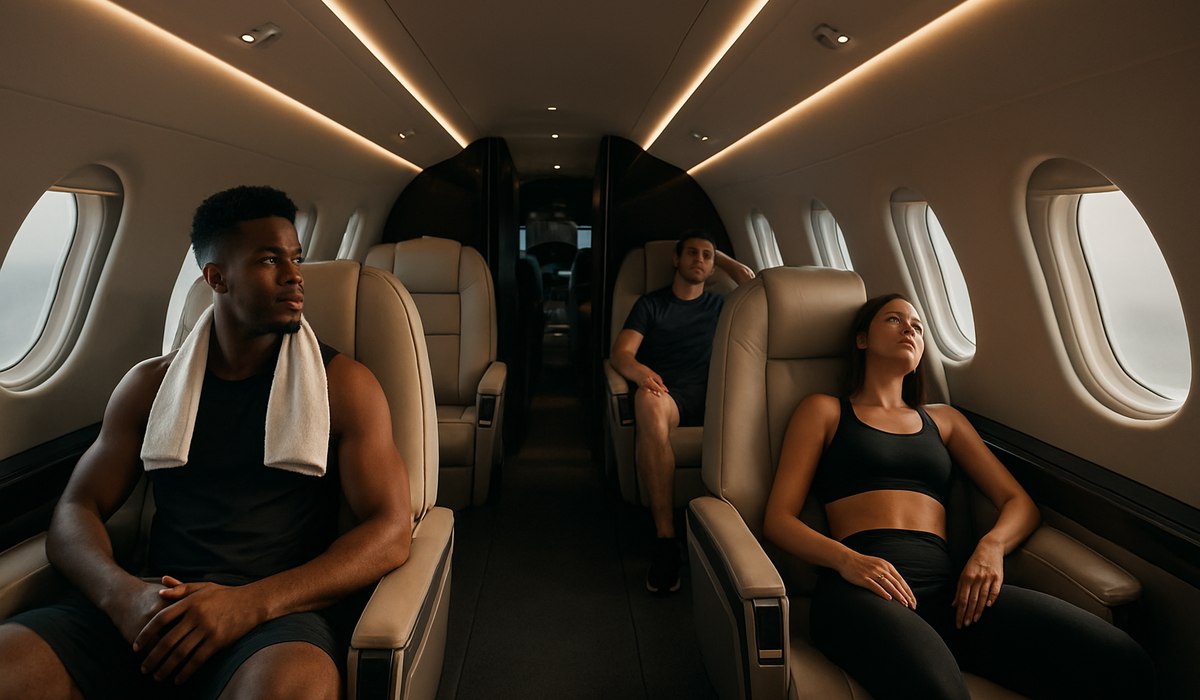
Image generated by AI
NBA Teams Aircraft: How Elite Sports Organizations Are Transforming Premium Aviation
Four NBA franchises are setting new standards for professional sports travel by deploying custom-configured Boeing aircraft specifically engineered for athlete performance and recovery. These ultra-luxury jets represent far more than transportation—they've become integrated components of modern sports logistics designed to manage grueling cross-country schedules. The shift toward specialized Boeing teams aircraft reflects how elite organizations now view air travel as a critical competitive advantage, combining cabin engineering, medical infrastructure, and operational flexibility into single platforms.
The NBA schedule demands unprecedented logistical coordination. Teams traverse multiple time zones in 48-hour windows, frequently departing immediately after late-night games. Traditional charter solutions no longer meet the specialized requirements of professional athletics at this level. Custom-configured aircraft now incorporate recovery technologies, medical monitoring systems, and cabin environments optimized for circadian rhythm management—transforming flights into mobile athlete development centers.
The Evolution of NBA Team Aircraft: From Charter to Specialized Sports Aviation
Commercial charter arrangements dominated professional sports travel for decades. However, elite NBA organizations have progressed beyond standard aircraft toward purpose-built platforms. The transition reflects changing athlete expectations around recovery, performance metrics, and travel comfort.
Modern Boeing teams aircraft incorporate advanced cabin pressurization systems that maintain optimal oxygen levels during high-altitude flight. Custom sleeping pods allow athletes to enter restorative sleep cycles despite irregular schedules. Medical bays equipped with diagnostic equipment enable real-time injury assessment and monitoring. Galley spaces feature nutritionist-designed meal preparation areas supporting customized dietary protocols.
This evolution accelerated as organizations recognized that travel quality directly impacts player availability and on-court performance. Teams investing in custom aircraft infrastructure report improved recovery metrics, reduced injury timelines, and enhanced player retention. The aircraft becomes part of an integrated athlete development ecosystem, extending recovery protocols beyond team facilities. Flight crews receive specialized training in sports medicine coordination, sleep science, and emergency medical procedures. FlightAware tracking systems enable real-time schedule optimization, while FAA certified aviation medical teams accompany each flight.
Boeing's Role in Redefining Professional Sports Travel Infrastructure
Boeing's business aviation division has emerged as the primary platform provider for custom team aircraft configurations. The manufacturer offers extensive customization capabilities through its special projects division, allowing organizations to integrate proprietary systems and technologies directly into airframe infrastructure.
Current Boeing teams aircraft deployments primarily utilize the Boeing Business Jet (BBJ) platform, based on the 737 fuselage. These airframes provide optimal balance between range capacity, cabin volume, and operational flexibility. A single Boeing BBJ can accommodate 40-50 passengers with sleeping configurations, medical facilities, and advanced entertainment systems—specifications impossible to achieve with smaller aircraft platforms.
Boeing engineers work directly with sports organizations to integrate custom climate control systems, advanced cabin pressure management, and specialized power distribution networks supporting medical and recovery equipment. These partnerships represent a specialized market segment where aircraft are fundamentally reimagined as mobile recovery and training facilities. The manufacturer's collaboration with professional sports teams has generated technical innovations subsequently adopted by government and corporate aviation markets. Customization timelines typically extend 18-24 months, reflecting the engineering complexity required for these integrated systems.
Cabin Design and Performance Optimization Features in Custom Team Jets
Custom Boeing teams aircraft interiors demonstrate remarkable sophistication in layout and functionality. Sleeping configurations utilize aerospace-grade materials engineered for thermal regulation and pressure distribution, mimicking clinical sleep environment specifications. Medical suites include cardiac monitoring equipment, diagnostic imaging capabilities, and pharmaceutical storage maintaining precise temperature controls.
Cabin lighting systems employ circadian rhythm technology, automatically adjusting color temperature and intensity to support sleep-wake cycle management during transcontinental flights. This addresses a critical recovery challenge in professional sports—athletes often experience severe sleep disruption from rapid time zone transitions. Advanced lighting systems reduce melatonin suppression and help maintain performance consistency across geographically dispersed schedules.
Entertainment and connectivity infrastructure supports both relaxation and business operations. High-bandwidth satellite communications enable real-time video analysis, allowing coaching staffs to review game footage and prepare tactical adjustments during flights. Separate lounges accommodate media personnel, coaching staff, and athletic administration, maintaining functional separation between recovery zones and operational areas.
Temperature, humidity, and air filtration systems operate at medical-grade standards. Cabin humidity typically maintains 40-60% ranges, preventing respiratory stress and dehydration common in conventional aircraft environments. HEPA filtration systems remove 99.97% of airborne particles, protecting immunocompromised athletes during illness exposure seasons. Pressurization maintains cabin altitudes equivalent to 4,000-6,000 feet, rather than conventional 8,000-foot equivalents, reducing hypoxic stress and accelerating recovery between competitions.
The Competitive Advantage of Luxury Aircraft in Modern Professional Sports
Organizations deploying custom Boeing teams aircraft report measurable competitive advantages extending beyond player comfort metrics. Teams document improved injury recovery timelines, enhanced player retention through premium travel amenities, and measurable advantages in recruiting premium free agents who prioritize travel quality during contract negotiations.
Elite athletes now evaluate employment offers partially based on organizational investment in travel infrastructure. Custom aircraft availability has become a recruiting tool equivalent to salary components and performance incentives. Players publicly acknowledge that premium travel experiences reduce cumulative fatigue, enabling consistent on-court performance throughout extended seasons.
The competitive advantage extends to scheduling optimization. Custom aircraft provide operational flexibility impossible with standard charter arrangements. Teams can adjust departure times, routing, and scheduling based on real-time performance metrics and injury status. Medical teams can recommend extended ground recovery periods without disrupting overall season schedules—flexibility standard aircraft arrangements cannot accommodate.
Furthermore, custom aircraft generate substantial data streams informing sports medicine protocols. In-flight biometric monitoring tracks sleep quality, cardiovascular stress responses, and recovery metrics continuously. This data becomes integrated into broader sports science frameworks, enabling personalized recovery interventions optimized for individual athlete physiology. The aircraft transforms into a mobile laboratory generating actionable recovery intelligence. For more detailed passenger rights information, consult US DOT resources.
Key Data: Custom Boeing Teams Aircraft Specifications and Capabilities
| Aircraft Specification | Standard Details | Athletic Integration |
|---|---|---|
| Fuselage Platform | Boeing Business Jet (737-based) | Custom pressurization (4,000-6,000 ft cabin altitude) |
| Passenger Capacity | 40-50 occupants | Sleeping berths, medical suite, coaching area |
| Flight Range | 5,500+ nautical miles | Transcontinental routes without refueling |
| Cabin Pressurization | Standard commercial (8,000 ft) | Medical-grade oxygen management systems |
| Customization Timeline | Standard 12-18 months | Specialized integration 18-24 months |
| Air Filtration | HEPA standard 85-90% | Medical-grade 99.97% particle removal |
| Cabin Humidity Control | Conventional 10-20% | Therapeutic 40-60% range |
| Medical Capabilities | None | Diagnostic imaging, cardiac monitoring, pharmacy |
What This Means for Travelers: Understanding Premium Aviation Evolution
The emergence of custom Boeing teams aircraft reflects broader trends reshaping premium aviation markets. While these aircraft primarily serve elite professional organizations, the technologies and design principles adopted influence commercial premium cabin development.
Travelers booking luxury charter services increasingly encounter aircraft configured with technologies originally developed for sports aviation. Climate control systems, advanced cabin pressure management, and circadian rhythm lighting now appear in premium charter offerings. Sleep-optimization features previously exclusive to custom team aircraft have scaled to commercial business aviation markets.
Organizations considering custom aircraft investments should understand the specialized infrastructure requirements. These aircraft demand dedicated maintenance facilities with aerospace-grade capability. Flight crews require specialized certification in sports medicine protocols and advanced aircraft systems. Insurance frameworks for custom aircraft exceed standard commercial aviation rates by 40-60% due to specialized equipment and operational complexity.
Traveler Action Checklist for Custom Aircraft Understanding:
- Verify aircraft specifications before booking charter services,
Disclaimer
This article is for informational and educational purposes only. It does not constitute legal, financial, or professional advice. While we strive to provide accurate and up-to-date information, travel policies, regulations, and conditions change rapidly. Always verify information with official sources before making travel decisions. Nomad Lawyer makes no representations about the accuracy, reliability, completeness, or suitability of the information provided. Readers should consult qualified professionals for advice specific to their circumstances. The views expressed in this article are those of the author and do not necessarily reflect the views of Nomad Lawyer.
Preeti Gunjan
Contributor & Community Manager
A passionate traveller and community builder. Preeti helps grow the Nomad Lawyer community, fostering engagement and bringing the reader experience to life.
Learn more about our team →