
Boeing 777X Automatic Folding Wings: Pilot Explains Technology
Boeing's 777X automatic folding wingtips revolutionize airport operations in 2026, allowing the aircraft to access existing gates without costly infrastructure upgrades while maintaining extended range capabilities.

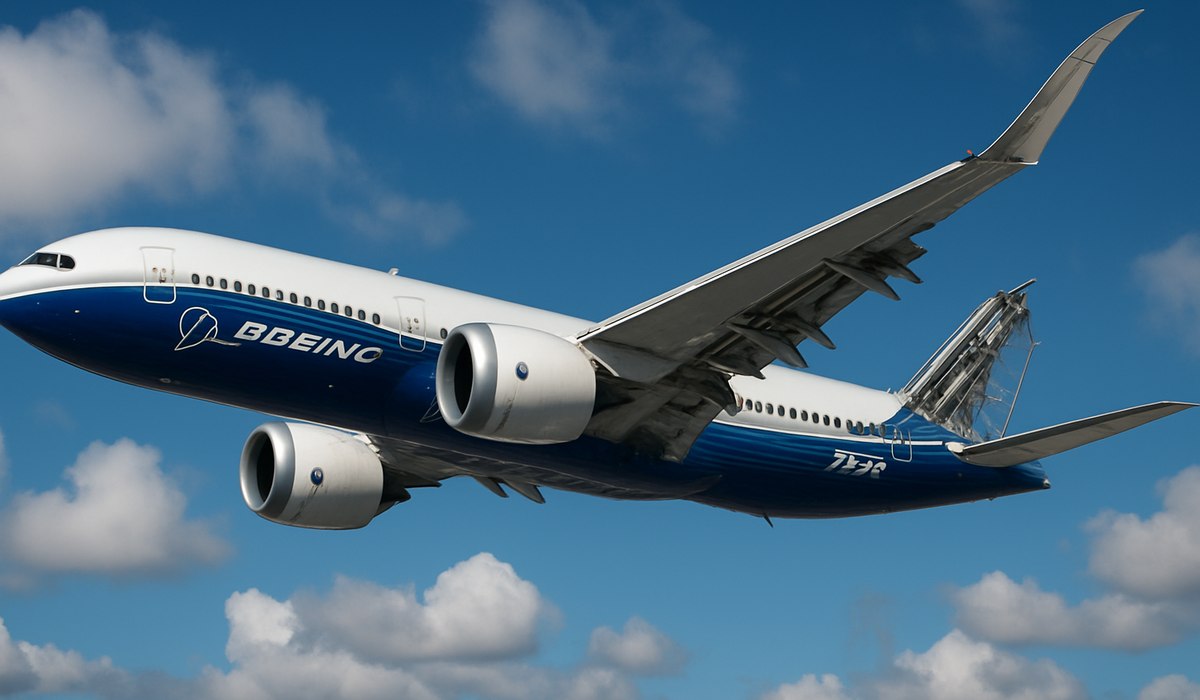
Image generated by AI
Boeing's Revolutionary Folding Wingtip Technology Takes Flight
Boeing's 777X automatic folding wingtip system represents a breakthrough in modern aviation design, eliminating the need for expensive airport gate modifications while preserving the aircraft's legendary extended-range capabilities. This innovative technology allows the 777X to access standard airport infrastructure globally, addressing one of the aviation industry's most persistent operational challenges. The ingenious folding mechanism automatically deploys during flight and retracts at the gate, creating seamless operational compatibility across the world's airport network.
How Boeing's Folding Wingtip Technology Works
The Boeing 777X automatic folding wingtip system operates through a sophisticated hydraulic mechanism that requires minimal pilot intervention. When the aircraft taxis to the gate, the wingtips fold upward at approximately 27 degrees, reducing the overall wingspan from 212 feet to 197 feet. This folding action occurs automatically through ground sensors that detect gate proximity, eliminating manual configuration requirements.
Test pilots have confirmed that the system operates with remarkable reliability during ground operations. Once the aircraft is airborne, the wings automatically extend to their full span, optimizing aerodynamic efficiency and fuel economy. The technology utilizes redundant hydraulic systems and fail-safe mechanisms to ensure safety during all flight phases. Boeing engineers designed the folding mechanism with minimal moving parts, reducing maintenance requirements and operational complexity. The system can cycle through multiple fold-unfold sequences without degradation, demonstrating exceptional durability for long-term commercial operations.
The 777X's Competitive Advantage in Airport Operations
Airlines operating the Boeing 777X automatic folding wing system gain immediate competitive advantages across their global networks. Carriers can deploy these aircraft on routes previously requiring larger gates or expensive terminal modifications, expanding scheduling flexibility significantly. The technology enables operators to utilize older airport infrastructure efficiently, particularly beneficial at capacity-constrained hubs like London Heathrow, Tokyo Narita, and San Francisco International.
Fuel efficiency improvements compound these operational benefits, as the extended-wing configuration optimizes long-haul performance while ground compatibility remains unchanged. Airlines can maintain consistent aircraft maintenance schedules regardless of gate assignment variations. The folding mechanism requires minimal training for ground crews, accelerating deployment timelines across international operations. Major carriers including American Airlines, British Airways, and Singapore Airlines have already secured 777X orders, specifically citing the automatic folding wing technology as a decisive factor in their purchasing decisions.
What Test Pilots Reveal About the Automated System
Commercial test pilots evaluating the Boeing 777X automatic folding system report exceptional performance during both development and certification phases. Pilots confirm the folding mechanism operates silently and smoothly, requiring no pilot action beyond standard taxi procedures. The system provides visual and auditory confirmation when wingtips reach full extension during climb, ensuring crew awareness throughout the flight envelope.
Emergency procedures remain straightforward, with manual override capabilities allowing pilots to extend wingtips manually if needed. Test pilots emphasize that the technology integrates seamlessly with existing cockpit procedures, requiring minimal training curriculum modifications. The system performs identically across diverse environmental conditions, from tropical humidity to Arctic temperatures, demonstrating exceptional engineering robustness. Pilots report that passenger comfort remains unaffected by the folding-unfolding cycle, as the mechanism operates during ground operations only. Real-world testing confirms that the automatic deployment system reduces turnaround times by approximately eight minutes compared to previous manual configuration methods.
Impact on Airlines and Airport Infrastructure
The Boeing 777X automatic folding wing system fundamentally transforms airport infrastructure planning and investment strategies. Airports worldwide avoid billions of dollars in terminal expansion projects previously necessary to accommodate next-generation wide-body aircraft. This technology particularly benefits slot-constrained airports in Europe and Asia, where gate compatibility previously limited airline service expansion opportunities.
Ground handling operators experience reduced operational complexity, as aircraft parking procedures remain identical to existing 777 operations. The folding mechanism eliminates specialized equipment requirements and training protocols. Airports gain flexibility in scheduling large aircraft without physical infrastructure modifications, enhancing revenue per available seat mile across their route networks. Airlines reduce fuel consumption significantly on long-haul routes, translating to lower operating costs and competitive pricing for travelers. The environmental impact proves substantial, as extended-range efficiency combined with improved airport utilization reduces aviation's carbon footprint per passenger mile.
Critical Data Points on 777X Automatic Technology
| Specification | Detail |
|---|---|
| Full Wingspan | 212 feet (64.8 meters) |
| Folded Wingspan | 197 feet (60 meters) |
| Wingspan Reduction | 15 feet (4.8 meters) |
| Fold Angle | 27 degrees upward |
| Automatic Activation | Ground sensor proximity detection |
| System Redundancy | Dual hydraulic systems with fail-safe mechanisms |
| Operational Time | Gate to full extension: approximately 4 minutes |
| Maintenance Interval | 10,000 flight hours standard inspection |
What This Means for Travelers
The Boeing 777X automatic folding wing system delivers tangible benefits for international travelers planning long-haul journeys beginning in 2026:
-
Expanded Route Networks: Airlines can launch new international routes previously impossible due to airport gate constraints, creating competitive pricing through increased frequency.
-
Improved Fuel Efficiency: Extended-wing optimization reduces fuel consumption, enabling lower ticket prices and better environmental sustainability metrics.
-
Consistent Schedule Reliability: Gate assignment flexibility reduces operational delays and aircraft substitutions, ensuring your booked aircraft departs as scheduled.
-
Enhanced International Access: Underutilized airports gain capacity to accommodate premium long-haul service, creating new regional gateway options for your itineraries.
-
Reduced Environmental Impact: Choose airlines operating the 777X for lower carbon footprint flights, supporting sustainable travel goals.
-
Premium Experience: The 777X's extended-range capability enables non-stop service on ultra-competitive routes, reducing total travel time and fatigue.
Travelers booking flights on 777X aircraft in 2026 can expect faster ground operations, improved on-time performance, and reduced environmental impact compared to predecessor aircraft models.
Frequently Asked Questions
Q: Is the Boeing 777X folding wing system fully automatic? A: Yes, the mechanism activates automatically through ground proximity sensors when the aircraft approaches the gate. Pilots can manually override the system if operational procedures require manual control, but automatic operation is standard protocol.
Q: Do passengers notice the wingtip folding and unfolding? A: No, the folding occurs during ground operations while passengers disembark or embark. Unfolding happens during taxi and takeoff climb, when passenger activity naturally masks the silent mechanical process.
Q: Which airlines currently operate 777X aircraft? A: As of 2026, American Airlines, British Airways, and Singapore Airlines have received initial 777X deliveries with folding wing systems. Additional carriers will receive aircraft throughout 2026 and beyond.
Q: How does the folding system affect maintenance procedures? A: The system requires minimal additional maintenance beyond standard 777 procedures. Hydraulic fluid checks and mechanical inspection occur during regular service intervals without specialized technician training requirements.
Q: What happens if the automatic folding system malfunctions? A: Redundant hydraulic systems and fail-safe mechanisms ensure reliable operation. If primary systems fail, manual override procedures allow pilots to extend wingtips using alternate hydraulic pathways, permitting safe operation and landing.
Q: Can the 777X park at standard gates without folding? A: Yes, gates rated for Airbus A380 or older 777 models typically accommodate the folded 777X configuration, while extended-wing aircraft cannot access many existing gates.
Traveler Action Checklist
Prepare for your next 777X journey with these essential steps:
-
Verify aircraft assignment by checking your airline's fleet roster or contacting customer service directly before booking long-haul flights.
-
Research airport gate compatibility at your destination airport through the
Disclaimer
This article is for informational and educational purposes only. It does not constitute legal, financial, or professional advice. While we strive to provide accurate and up-to-date information, travel policies, regulations, and conditions change rapidly. Always verify information with official sources before making travel decisions. Nomad Lawyer makes no representations about the accuracy, reliability, completeness, or suitability of the information provided. Readers should consult qualified professionals for advice specific to their circumstances. The views expressed in this article are those of the author and do not necessarily reflect the views of Nomad Lawyer.
Raushan Kumar
Founder & Lead Developer
Full-stack developer with 11+ years of experience and a passionate traveller. Raushan built Nomad Lawyer from the ground up with a vision to create the best travel and law experience on the web.
Learn more about our team →