
Blue Dream Cruises Unravels: Financial Crisis Deepens in March 2026
Blue Dream Cruises faces severe financial turmoil as unpaid wages, ship detentions, and office closures mount. The Chinese cruise operator's crisis affects thousands of travelers and workers in 2026.

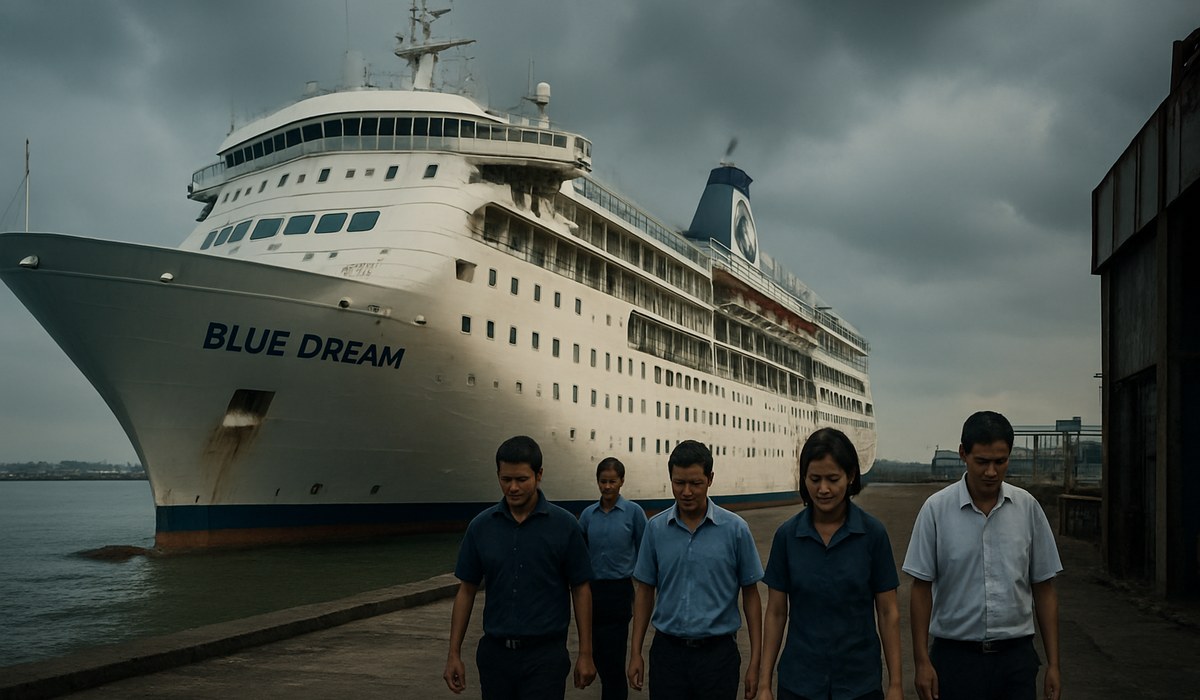
Image generated by AI
Blue Dream Cruises Faces Operational Collapse Amid Liquidity Crisis
Blue Dream Cruises, once positioned as a Chinese alternative to global cruise operators, is unraveling amid cascading financial pressures that have suspended sailings, detained vessels, and left thousands of passengers and staff in limbo. The operator's mounting cash shortfall has triggered asset freezes, wage arrears, and office shutdowns across its shoreside operations. What began as a regional growth story has transformed into a cautionary tale about the vulnerabilities of mid-size cruise ventures in volatile Asian markets.
Cruise Itinerary at a Glance
| Port of Call | Departure Point | Typical Schedule | Current Status |
|---|---|---|---|
| Shanghai, China | Homeport | Weekly sailings | Suspended indefinitely |
| Xiamen, China | Regional destination | 5-day itineraries | Suspended indefinitely |
| Da Nang, Vietnam | International port | Regional cruises | Suspended indefinitely |
| Sanya, China | Southern hub | 3-4 day routes | Suspended indefinitely |
| Hong Kong | Regional gateway | Occasional calls | Suspended indefinitely |
| Beihai, China | Secondary port | Feeder cruises | Ship detained as of Jan 2026 |
The Rise and Rapid Decline of a Regional Cruise Operator
Blue Dream Cruises launched in the mid-2010s with a straightforward business model: deliver affordable cruises to first-time passengers in China and nearby East Asian markets. The company acquired Blue Dream Melody, a 42,289-gross-ton vessel previously operated by a major European cruise brand. After extensive refurbishment, the ship began seasonal itineraries from Chinese ports including Shanghai and Xiamen, targeting domestic leisure travelers unfamiliar with cruise vacations.
Industry analysts recognized the strategic logic immediately. Chinese outbound cruise demand was expanding rapidly, and domestic operators offered pricing advantages over international competitors. However, the business model proved fragile. Blue Dream Cruises depended almost entirely on booking velocity from first-time cruisers and stable economic conditions in its source markets. When travel demand contracted or operational expenses spiked unexpectedly, the company lacked financial buffers to absorb shocks. By early 2026, those vulnerabilities materialized in full force.
How Blue Dream Melody Became Trapped at the Port of Beihai
The operational unraveling began in January 2026 when Blue Dream Cruises announced that all sailings would pause for hardware upgrades and mandatory maintenance. The company assured passengers that refunds or rebooking assistance would follow through travel agency partners. Within weeks, the narrative shifted dramatically. Blue Dream Melody was detained at Beihai port following a dispute with a bunker fuel supplier over unpaid invoices totaling hundreds of thousands of dollars.
Ship detentions occur when creditors—fuel vendors, port authorities, or equipment lessors—legally restrain a vessel until payment obligations are satisfied. The Beihai detention stripped Blue Dream Cruises of its only active revenue-generating asset at the worst possible moment. Shipping databases reveal that ownership of Blue Dream Melody had already transferred to a Chinese maritime finance entity that leased the vessel back to the operator. This layered structure, common in ship financing, means that ownership, operational control, and debt obligations rest with different parties. When the operator cannot pay, lessors and creditors compete for recovery, complicating any negotiated restructuring.
Unpaid Wages, Frozen Commissions, and Staff Disruptions
Beyond the detained vessel, Blue Dream Cruises faces mounting human costs that extend far beyond executive suites. Reports from regional maritime media and travel industry publications document that crew members aboard Blue Dream Melody have not received full wage payments since late 2025. Shoreside staff in Shanghai, Xiamen, and other operations centers have faced delayed or suspended paychecks.
The wage crisis reflects a pattern common in cruise operator bankruptcies: once vessels stop generating revenue, payroll quickly becomes unsustainable. Crew stranded aboard detained ships face particular hardship, as flag state procedures and court processes delay wage claims by months. Travel agents who booked Blue Dream Melody itineraries report locked-in commissions and customer deposits that cannot be recovered through normal channels. Small travel agencies in Beijing, Shanghai, and Guangzhou have absorbed significant losses as customer refund requests pile up without clear resolution timelines.
Consumer advocates urge travelers affected by Blue Dream Cruises suspensions to file chargeback claims with credit card issuers and contact their national maritime consumer protection authorities. The depth of unpaid obligations means that traditional refund channels may take years to resolve.
Asset Sales and the Fate of Blue Dream Melody
As creditors circle, attention has focused on the future ownership and deployment of Blue Dream Melody. Maritime transaction databases indicate the vessel will likely be sold at auction or through negotiated transfer. Any sale prioritizes institutional creditors—fuel vendors, finance lessors, and port authorities—with minimal protection for passenger refund claims or crew wage arrears.
If Blue Dream Melody is acquired by another Chinese cruise operator or repositioned to international markets, it may resume sailings under a different flag, brand, and operational structure. However, destination ports that relied on regular calls—including Xiamen, Da Nang, and Sanya—will face extended gaps in cruise traffic. Local tour guides, transport services, and hospitality businesses built around Blue Dream Cruises schedules face revenue declines until alternative cruise traffic materializes.
For prospective cruise travelers in Asia, the Blue Dream Cruises collapse illustrates why booking practices matter. Experts recommend avoiding prepayment more than 90 days before departure, selecting payment methods with strong fraud or nonperformance protections, and verifying operator financial stability through maritime and cruise industry publications like Cruise Critic before committing funds.
What This Means for Travelers and Industry Stakeholders
The Blue Dream Cruises financial crisis carries concrete implications for multiple groups:
-
Current ticket holders: Pursue chargeback claims immediately through credit card companies. Contact your travel agent for status updates, but do not expect rapid refunds. Document all communications for potential legal recovery.
-
Future cruise bookers in Asia: Verify that cruise operators maintain current certifications with maritime authorities. Cross-reference vessel information through shipping databases before booking. Prioritize established brands with transparent financial reporting.
-
Regional ports and local businesses: Prepare contingency plans for reduced cruise traffic. Diversify revenue streams beyond single-operator dependencies. Engage with alternative cruise lines to secure future itinerary commitments.
-
Travel agents: Reassess how you structure customer deposits and commission tracking. Build stronger financial due diligence into operator selection processes. Consider travel insurance products that protect against operator insolvency.
-
Cruise industry observers: Monitor how regulatory bodies in China, Vietnam, and surrounding nations respond to this collapse. Systemic vulnerabilities in mid-size cruise operations require stronger oversight frameworks.
Frequently Asked Questions
What is the current operational status of Blue Dream Cruises? All sailings remain suspended indefinitely as of March 2026. The company's sole vessel, Blue Dream Melody, is detained at Beihai port following unpaid fuel bills. No resumption date has been announced, and passengers should assume itineraries will not operate.
How can I recover my payment if I booked a Blue Dream Cruises cruise? Contact your credit card issuer immediately to file a chargeback claim for nonperformance. If you paid through a travel agent, request a refund directly from that agent. Document all booking confirmations and correspondence. Some jurisdictions offer maritime consumer protection funds, so check your local government's tourism or transportation authority.
Will Blue Dream Melody resume sailing under a different operator? The vessel will likely be sold to satisfy creditor claims, then redeployed under new ownership and branding. However, the timeline and destination for such repositioning remain unclear. Existing passengers should not expect the ship to operate under its current brand.
Are crew members and travel agents receiving compensation? Crew wage claims and agent commissions are currently caught in creditor proceedings. Full recovery timelines could exceed 18-24 months. Affected parties should register wage claims with their respective flag state maritime authorities and consult legal counsel.
Related Travel Guides
Best cruise lines for first-time Asian cruisers: 2026 safety checklist
How to avoid cruise operator bankruptcies: financial red flags
Chinese cruise market recovery: which operators to trust in 2026
Disclaimer
This article is for informational and educational purposes only. It does not constitute legal, financial, or professional advice. While we strive to provide accurate and up-to-date information, travel policies, regulations, and conditions change rapidly. Always verify information with official sources before making travel decisions. Nomad Lawyer makes no representations about the accuracy, reliability, completeness, or suitability of the information provided. Readers should consult qualified professionals for advice specific to their circumstances. The views expressed in this article are those of the author and do not necessarily reflect the views of Nomad Lawyer.
Raushan Kumar
Founder & Lead Developer
Full-stack developer with 11+ years of experience and a passionate traveller. Raushan built Nomad Lawyer from the ground up with a vision to create the best travel and law experience on the web.
Learn more about our team →