
B&B stay at top-rated medieval monastery in the Tuscany countryside for €73/double
Fancy spending a few days in beautiful Tuscany? We've got the perfect deal for you! Book a double room at the historic hotel housed within a medieval monastery

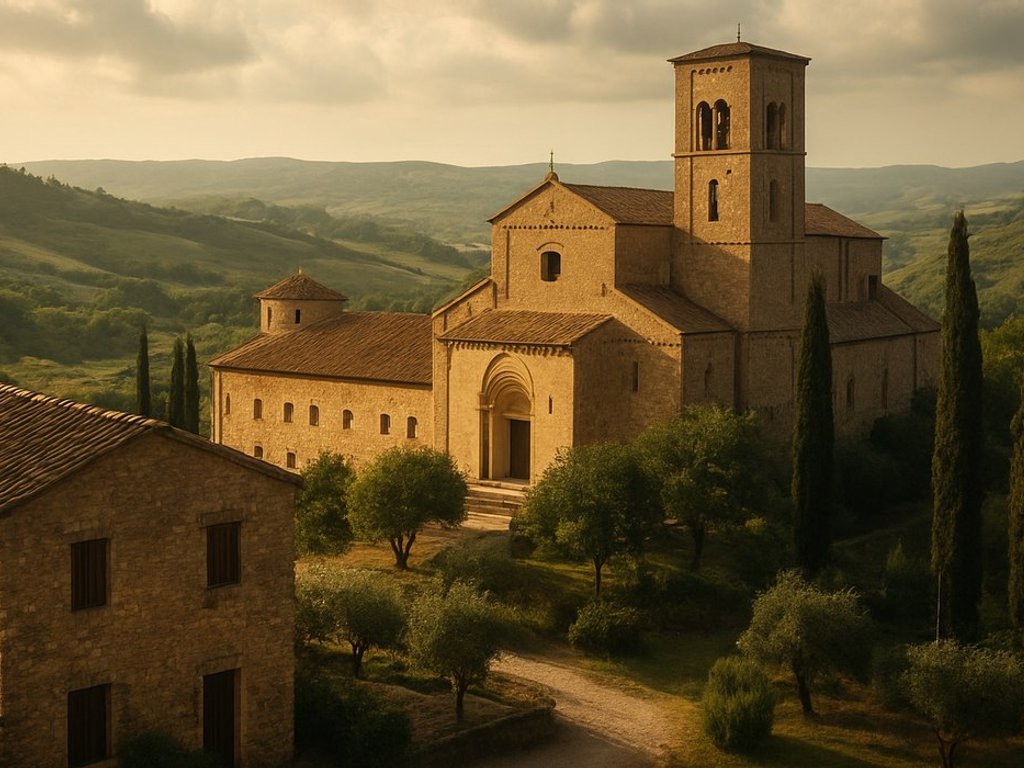
Image generated by AI
Experience Medieval Charm: Exceptional Tuscan Monastery Accommodation Now Available from €73 Per Night
Quick Summary: Discover an unparalleled opportunity to immerse yourself in Tuscany's rich historical heritage with overnight stays at an exquisite medieval monastery-turned-boutique hotel, available from just €73 per double occupancy, complete with a complimentary morning breakfast service.
Discovering Hidden Gem Lodging in Italy's Most Enchanting Region
Travelers seeking authentic experiences in one of Europe's most picturesque destinations now have access to an extraordinary accommodation opportunity that seamlessly blends historical significance with modern comfort. Located within the rolling hills and vineyards of Tuscany, a centuries-old monastery has been thoughtfully converted into an intimate hospitality establishment that offers guests a genuinely immersive cultural experience at an remarkably accessible price point.
For those planning extended Italian getaways or regional tourism throughout Central Europe, the prospect of securing quality lodging at €73 per night represents exceptional value, particularly when premium amenities such as breakfast service are included in the nightly rate. This pricing structure makes extended stays throughout the Tuscan countryside financially viable for budget-conscious travelers who refuse to compromise on authenticity or historical ambiance.
The Appeal of Monastery-Based Accommodations
The concept of lodging within converted religious structures has gained considerable momentum among contemporary travelers who seek alternatives to conventional hotel chains. These unique properties offer several distinct advantages that appeal to diverse visitor demographics.
First, monastery conversions typically preserve architectural elements that date back centuries, providing guests with tangible connections to medieval European history. The stone walls, vaulted ceilings, and courtyard layouts remain largely intact, allowing visitors to genuinely experience how residents inhabited these spaces throughout the medieval period.
Second, these establishments generally maintain peaceful, contemplative atmospheres that distinguish them from standard commercial lodging options. The inherent tranquility of these settings creates ideal conditions for relaxation, reflection, and genuine disconnection from urban pressures.
Third, monastery-based hotels frequently showcase regional culinary traditions through their breakfast offerings and dining services. The included breakfast component at this Tuscan property likely features locally-sourced ingredients, artisanal breads, regional cheeses, and fresh produce sourced from surrounding agricultural areas.
Tuscany's Enduring Appeal for International Travelers
The Tuscan region continues to rank among Europe's premier travel destinations, attracting millions of visitors annually who seek authentic Italian experiences. The landscape's distinctive character—defined by cypress-lined pathways, medieval hill towns, renowned vineyards, and rolling countryside—creates an almost timeless aesthetic that has captivated artists, writers, and travelers for generations.
The region's cultural significance extends far beyond visual appeal. Tuscany served as the birthplace of the Renaissance, producing countless artistic and intellectual achievements that fundamentally shaped European civilization. Modern visitors benefit from this heritage through exceptional museums, galleries, and cultural institutions distributed throughout the region.
For aviation professionals and frequent flyers, Tuscany represents an ideal destination for rejuvenation breaks between intensive travel schedules. The relatively compact geography allows visitors to experience diverse attractions—from medieval villages to world-class wineries—without requiring extensive ground transportation.
Value Proposition and Booking Considerations
The €73 nightly rate for double occupancy represents particularly compelling economics when considering the inclusion of breakfast service. Most European hotel properties charge €15-25 for breakfast additions, meaning guests essentially secure accommodation at a significantly reduced base rate while enjoying complimentary morning provisions.
This pricing strategy makes extended stays—ranging from three-night weekends to week-long explorations—financially accessible for travelers operating within moderate budget parameters. The cumulative savings across a seven-night stay could exceed €100-150 compared to comparable regional properties.
The double room configuration ensures suitability for couples, business travel partners, or individual travelers seeking additional space at minimal cost premiums. Modern amenities likely include climate control, private bathroom facilities, and connectivity options necessary for contemporary travelers requiring minimal disconnection from professional obligations.
Experiencing Authentic Tuscan Culture
Staying within a monastery setting provides unique opportunities for cultural immersion that conventional hotels cannot replicate. Guests wake within structures that have witnessed centuries of human habitation, potentially experiencing the same stone corridors and common areas utilized by medieval monks.
The surrounding Tuscan countryside offers exceptional opportunities for exploration. Visitors can venture to nearby villages featuring authentic trattorias, artisanal food producers, and family-operated wineries that rarely appear in mainstream tourism guides. Many establishments welcome visitors for intimate tastings and educational experiences regarding regional wine production techniques.
Hiking and cycling routes traverse the surrounding landscape, offering active travelers opportunities to explore the countryside while enjoying remarkable photographic vistas. The autumn and spring seasons particularly showcase Tuscany's natural beauty, with temperate weather and optimal conditions for extended outdoor activities.
Planning Your Tuscan Monastery Escape
Prospective guests should consider several factors when planning visits to this historical property. Booking directly through the establishment's official channels typically ensures optimal room availability and potential access to exclusive arrangements or extended-stay discounts.
The region experiences peak tourism during summer months (June-August) and spring periods (April-May), meaning advance reservations become increasingly necessary during these intervals. Shoulder seasons offer advantages through reduced crowds, more moderate temperatures, and potentially enhanced availability at the quoted rate.
Travelers arriving via commercial aviation will likely utilize major Italian hubs such as Florence's Amerigo Vespucci Airport or Pisa's Galileo Galilei Airport, both positioned approximately one hour from typical Tuscan accommodations via ground transportation.
Frequently Asked Questions
Q: What is included in the €73 nightly rate? A: The quoted price encompasses double room accommodation plus a complete breakfast service, eliminating additional meal expenses for morning dining.
Q: Which transportation options connect major airports to the monastery property? A: Guests can arrange rental vehicles, utilize regional train services, or book private transfer services from Florence or Pisa airports to reach Tuscan countryside locations.
Q: What represents the optimal season for monastery stays in Tuscany? A: Spring (April-May) and autumn (September-October) offer ideal climate conditions, manageable tourist volumes, and exceptional landscape aesthetics.
Q: Are longer-term stays available at discounted rates? A: Many boutique properties offer weekly or monthly rate reductions; direct inquiry with the establishment regarding extended-stay pricing proves advisable.
Q: What nearby attractions merit visitor attention? A: The region features medieval towns, Renaissance art collections, renowned wineries, and exceptional dining establishments representing authentic Tuscan gastronomy.
Q: Does the property accommodate guests with mobility considerations? A: Prospective guests with accessibility requirements should confirm facility capabilities directly, as medieval structures sometimes present architectural challenges.
Disclaimer
This article is for informational and educational purposes only. It does not constitute legal, financial, or professional advice. While we strive to provide accurate and up-to-date information, travel policies, regulations, and conditions change rapidly. Always verify information with official sources before making travel decisions. Nomad Lawyer makes no representations about the accuracy, reliability, completeness, or suitability of the information provided. Readers should consult qualified professionals for advice specific to their circumstances. The views expressed in this article are those of the author and do not necessarily reflect the views of Nomad Lawyer.
Kunal K Choudhary
Co-Founder & Contributor
A passionate traveller and tech enthusiast. Kunal contributes to the vision and growth of Nomad Lawyer, bringing fresh perspectives and driving the community forward.
Learn more about our team →