
India's Bargi Dam Cruise Tragedy Exposes Critical Tourism Safety Failures — What Travelers Need to Know
The Bargi Dam cruise capsizing in Madhya Pradesh has triggered a national accountability crisis, with MP Vivek Tankha demanding criminal negligence charges over systemic safety failures.

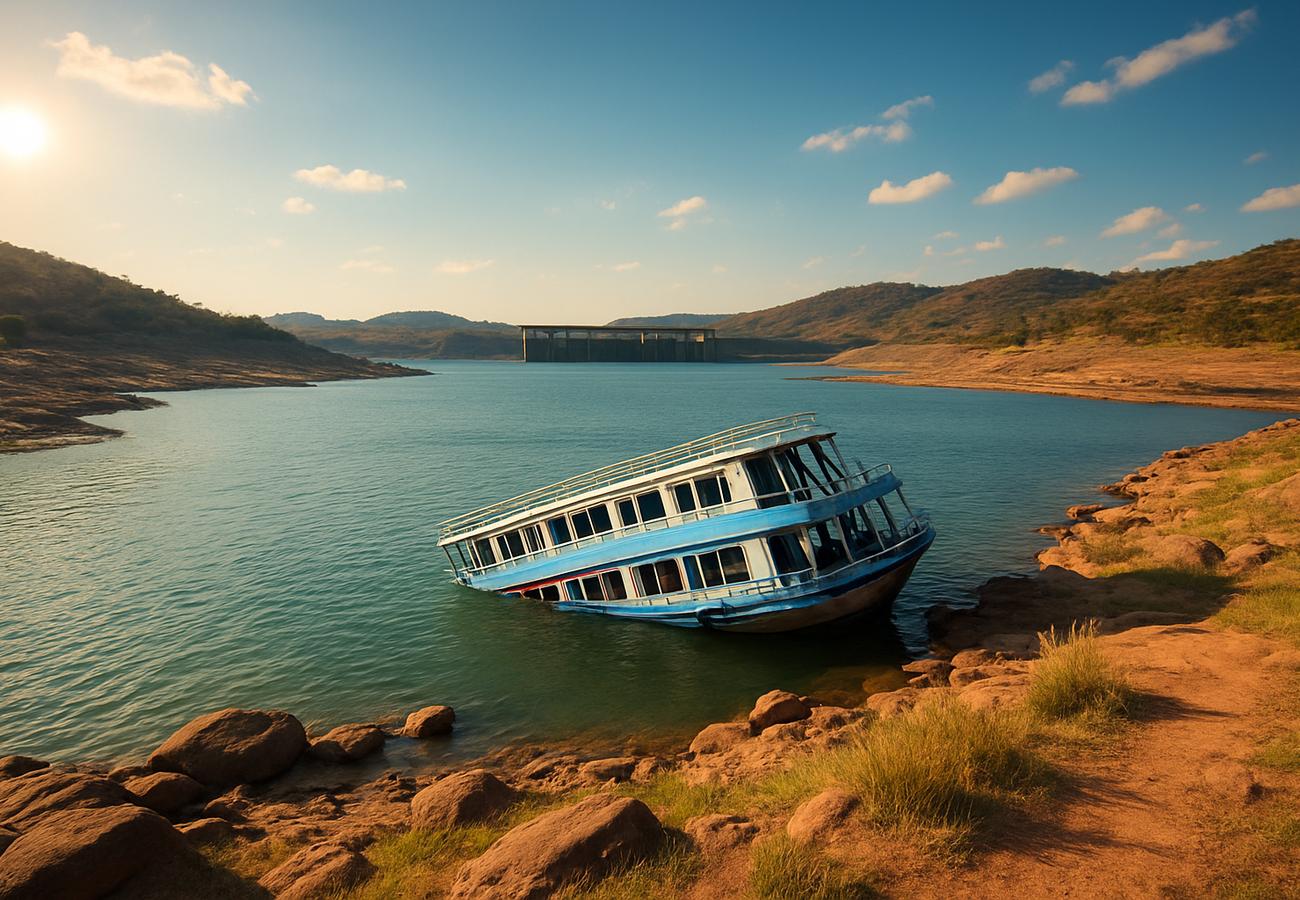
Image generated by AI
Quick Summary
- A catastrophic capsizing at Bargi Dam in Madhya Pradesh has ignited a national debate over water tourism safety standards in India.
- Rajya Sabha MP and senior advocate Vivek Tankha has publicly demanded a full investigation, citing weather warnings that were ignored before the vessel departed.
- The Madhya Pradesh Tourism Development Corporation (MPTDC) faces serious questions over permit issuance, crew certification, and vessel maintenance standards.
- Calls are growing for an independent Water Safety Authority to oversee all inland cruise operations in Madhya Pradesh.
A tourist cruise capsizing at Bargi Dam in Madhya Pradesh has triggered a national conversation about water tourism safety in India. Rajya Sabha MP Vivek Tankha publicly accused the Madhya Pradesh Tourism Development Corporation (MPTDC) of systemic negligence, alleging that the vessel departed despite active meteorological warnings of dangerous conditions in the Jabalpur region. The tragedy, which has already cost lives, is being treated not as an isolated accident but as the predictable outcome of long-standing institutional failure.
What Happened at Bargi Dam
The Bargi Dam, a popular leisure destination in the Jabalpur circuit of Madhya Pradesh, drew families and tourist groups for recreational cruises on its backwaters. However, the routine trip turned catastrophic when the vessel encountered sudden, severe conditions.
Meteorological agencies had already issued weather alerts flagging high wind speeds and turbulent conditions in the area before the cruise departed. Despite these warnings, the boat was authorized to leave the jetty. Critics argue that the vessel was structurally unsuited to handle the sudden squalls common across the Bargi Dam's vast water catchment area — and that no onboard anemometer or direct communication link to a central safety hub existed to alert the crew in real time.
Key Facts & Highlights
- The Location: Bargi Dam, Jabalpur district, Madhya Pradesh, India.
- The Regulator: The Madhya Pradesh Tourism Development Corporation (MPTDC) is responsible for permits and daily operational oversight.
- The Allegation: Active meteorological warnings for high winds and turbulent conditions were reportedly ignored before departure.
- The Safety Gap: Life jackets were alleged to be either insufficient in number or damaged, leaving passengers without accessible flotation devices.
- The Legal Demand: MP Vivek Tankha has called for criminal negligence charges if lapses are found to be willful.
Allegations of Systemic Negligence
Vivek Tankha, a prominent Rajya Sabha MP and senior legal advocate, took the lead in publicly holding the MPTDC accountable. He argued that the loss of life was entirely preventable had established inland water transport norms been strictly enforced.
He raised specific concerns about whether the cruise vessel held valid operational certification and whether its crew had undergone adequate emergency response training. The MPTDC's silence in the immediate aftermath of the disaster was labelled a failure of leadership, with Tankha demanding a full, independent investigation and calling for criminal negligence charges to be considered where lapses are proven willful.
Equipment Failures: Life Jackets and Maintenance
The physical state of onboard safety equipment has emerged as one of the most disturbing elements of the investigation. Survivors and witnesses allege that life jackets were either too few or too damaged to be of practical use at the moment of crisis. Passengers reportedly received no clear emergency instructions as the vessel began listing.
Equally concerning are questions about the boat's mechanical condition. Maintenance logs are now being demanded for public review, with investigators suspecting that the vessel had not undergone regular dry-docking or rigorous technical inspections. Critics describe the situation as a case of "safety theater" — the visible presence of safety equipment without the functional infrastructure to back it up.
The MPTDC Under Scrutiny
The MPTDC, as the state body responsible for issuing permits and supervising recreational water operations, now faces an unprecedented crisis of institutional confidence. Investigators are examining how operators at Bargi Dam were allowed to bypass safety checklists without independent oversight.
Experts describe the department's organizational culture as one of complacency — a dangerous normalization of lax standards enabled by the rarity of past accidents. Recommendations are now being formally tabled for the creation of a dedicated, independent Water Safety Authority in Madhya Pradesh, empowered to ground any vessel that fails to meet mandatory safety benchmarks, completely separate from the tourism department's commercial interests.
What This Means for Travelers
Tourists planning water-based activities at Indian inland destinations should proactively verify safety standards before booking. Key checks include:
- Confirm life jacket availability: Ask operators directly whether the number of life jackets matches total passenger capacity and whether they are in working condition.
- Check weather conditions independently: Do not rely solely on operators to assess departure safety — check local meteorological agency reports directly.
- Ask about crew certification: Legitimate inland cruise operators should be able to demonstrate that crew members are certified for emergency response.
- Verify vessel documentation: All commercial passenger vessels in India are required to hold valid certification under the Inland Vessels Act.
The Bargi Dam tragedy has made travelers across India significantly more conscious of their rights and the real risks associated with inland recreational cruising.
The Road to Accountability
Legal experts are calling for a judicial inquiry as the only mechanism capable of cutting through bureaucratic layers to establish clear facts. The Inland Vessels Act is being cited as a legislative tool that must be applied far more aggressively at the state level going forward.
Proposed reforms include mandatory high-risk insurance for all cruise operators, public display of safety officer names on every vessel, and third-party safety audits as a prerequisite for seasonal operating permits. The future of Madhya Pradesh's tourism reputation — particularly the Narmada backwater circuit — now depends heavily on the government's speed and transparency in responding to the accountability demands raised by Vivek Tankha and the broader public.
Conclusion
The Bargi Dam cruise tragedy is a stark warning for India's rapidly growing inland water tourism sector. As investigations continue and legal pressure mounts on the MPTDC, travelers are urged to prioritize safety verification over convenience when booking water-based recreational activities anywhere in India.
Frequently Asked Questions (FAQ)
What caused the Bargi Dam cruise accident? The vessel is alleged to have departed despite active meteorological warnings of high winds and turbulent conditions in the Jabalpur region. A lack of onboard weather monitoring equipment meant the crew had no real-time alert system as conditions deteriorated.
Who is Vivek Tankha and what is his role in the Bargi case? Vivek Tankha is a Rajya Sabha MP and senior legal advocate who publicly demanded a full investigation into the tragedy, alleging criminal negligence by the MPTDC for allowing the cruise to operate under hazardous conditions.
What is the MPTDC? The Madhya Pradesh Tourism Development Corporation is the state government body responsible for issuing permits and overseeing tourism operations in Madhya Pradesh, including recreational water activities at destinations like Bargi Dam.
Is Bargi Dam currently open to tourists? The tragedy has had a significant chilling effect on tourism in the Jabalpur circuit. Travelers are advised to check the latest official advisories from Madhya Pradesh Tourism before planning any visit to the site.
Disclaimer
This article is for informational and educational purposes only. It does not constitute legal, financial, or professional advice. While we strive to provide accurate and up-to-date information, travel policies, regulations, and conditions change rapidly. Always verify information with official sources before making travel decisions. Nomad Lawyer makes no representations about the accuracy, reliability, completeness, or suitability of the information provided. Readers should consult qualified professionals for advice specific to their circumstances. The views expressed in this article are those of the author and do not necessarily reflect the views of Nomad Lawyer.
Kunal K Choudhary
Co-Founder & Contributor
A passionate traveller and tech enthusiast. Kunal contributes to the vision and growth of Nomad Lawyer, bringing fresh perspectives and driving the community forward.
Learn more about our team →